


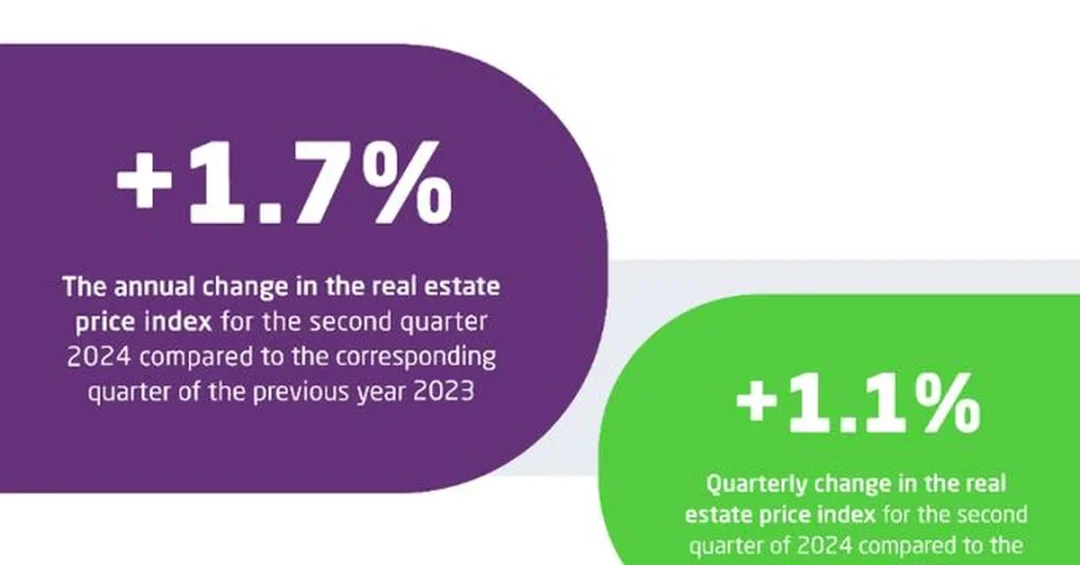
The General Authority for Statistics (GASTAT) reported that Saudi Arabia’s Real Estate Price Index (RPI) rose by 1.7% in the second quarter of 2024 compared to the same period in 2023. This increase was primarily driven by a 2.8% rise in residential property prices, according to the latest official data released by the authority. The findings are based on recorded transaction data from the Saudi Ministry of Justice.
Context and Background
The RPI serves as a crucial benchmark for tracking price movements across the Kingdom’s real estate sector, covering residential, commercial, and agricultural segments. GASTAT’s quarterly reports are widely used by policymakers, investors, and economic analysts to assess market trends and inform decision-making. The index’s modest growth in Q2 2024 reflects ongoing stability in the sector amid Saudi Arabia’s broader economic transformation under Vision 2030.
Key Details
Within the residential sector, land plot prices increased by 2.8% year-on-year, while apartment prices rose by 2.9%. Residential building prices saw a slight decline of 0.1%, villa prices dropped by 0.5%, and house prices decreased by 1.4%. In the commercial sector, real estate prices fell by 0.4%, driven by a 0.4% decline in commercial land plot prices and a 0.6% drop in commercial gallery prices. However, prices for commercial buildings and centers remained unchanged. The agricultural sector recorded a 1.5% increase, fueled by a 1.5% rise in agricultural land prices.
Implications and Impact
The data highlights a resilient residential market, particularly in land and apartment segments, which continue to attract demand from both local buyers and international investors. The slight declines in certain residential categories suggest a balancing of supply and demand, supporting long-term affordability objectives. The stability in commercial properties reflects steady business confidence, while the agricultural price increase underscores ongoing investment in rural development. These trends align with Saudi Arabia’s efforts to diversify its economy and enhance non-oil sectors.
Vision 2030 Alignment
The steady growth in real estate prices, especially in residential and agricultural segments, reinforces Vision 2030’s goals of creating a vibrant society and a thriving economy. By providing transparent, data-driven insights through indices like the RPI, GASTAT supports informed decision-making that fosters sustainable urban development, foreign investment, and improved quality of life for citizens and residents alike. The continued monitoring of price trends will be essential as the Kingdom advances its ambitious housing and infrastructure projects under the Vision 2030 framework.
20 Questions
Q1. What is the Real Estate Price Index (RPI) in Saudi Arabia?
A1. The RPI is an official statistical measure published by GASTAT that tracks price changes in real estate transactions across residential, commercial, and agricultural sectors, based on data from the Ministry of Justice.
Q2. How much did the RPI increase in Q2 2024?
A2. The RPI increased by 1.7% in the second quarter of 2024 compared to the same quarter of 2023, driven primarily by a rise in residential property prices.
Q3. What caused the overall increase in the RPI?
A3. The increase was mainly due to a 2.8% rise in residential prices, particularly in land plots and apartments, which are key components of the index.
Q4. How much did residential land plot prices rise?
A4. Residential land plot prices increased by 2.8% year-on-year during Q2 2024, contributing significantly to the overall RPI growth.
Q5. What was the price change for apartments in Q2 2024?
A5. Apartment prices rose by 2.9% in the second quarter of 2024 compared to the same period in 2023, reflecting strong demand in this segment.
Q6. Did residential building prices increase or decrease?
A6. Residential building prices decreased slightly by 0.1% in Q2 2024, indicating a minor decline in this category.
Q7. How did villa prices perform in Q2 2024?
A7. Villa prices dropped by 0.5% year-on-year in Q2 2024, showing a modest decrease within the residential sector.
Q8. What about house prices in the same period?
A8. House prices fell by 1.4% in Q2 2024 compared to the same quarter of 2023, the largest decline among residential subcategories.
Q9. How did the commercial sector perform?
A9. The commercial sector saw a 0.4% decrease in real estate prices, driven by declines in commercial land plot and gallery prices.
Q10. What was the change in commercial land plot prices?
A10. Commercial land plot prices decreased by 0.4% in Q2 2024, contributing to the overall decline in the commercial sector.
Q11. Did commercial building prices change?
A11. Commercial building prices remained stable during Q2 2024, showing no significant change from the previous year.
Q12. How did the agricultural sector perform?
A12. The agricultural sector recorded a 1.5% increase in real estate prices in Q2 2024, driven by a rise in agricultural land prices.
Q13. What data source does GASTAT use for the RPI?
A13. The RPI is based on recorded data from real estate transactions available at the Saudi Ministry of Justice, ensuring accuracy and reliability.
Q14. Who uses the RPI and for what purpose?
A14. The RPI is used by relevant authorities, policymakers, and analysts to make economic and statistical decisions regarding price movements and forecasts across different real estate sectors.
Q15. Is the RPI important for Vision 2030?
A15. Yes, the RPI supports Vision 2030 by providing transparent data that helps guide sustainable urban development, investment, and economic diversification efforts.
Q16. Does the increase in residential prices indicate strong demand?
A16. Yes, the 2.8% rise in residential prices suggests sustained demand, particularly in land and apartment segments, reflecting confidence in the housing market.
Q17. Why did commercial prices decline slightly?
A17. The 0.4% decline in commercial prices may be due to market adjustments and supply-demand dynamics, but the stability in commercial buildings indicates overall balance.
Q18. What does the agricultural price increase signify?
A18. The 1.5% rise in agricultural land prices points to growing investment in rural areas, supporting agricultural development goals under Vision 2030.
Q19. How often is the RPI published?
A19. GASTAT publishes the RPI quarterly, providing regular updates on real estate price trends for stakeholders and the public.
Q20. Where can readers find more official information?
A20. Official information is available through GASTAT’s reports and the Saudi Press Agency (SPA), which regularly releases summaries of key statistical findings.
Reader Feedback
We value your thoughts. Please share your feedback on this article.
Your feedback helps us improve our coverage.