


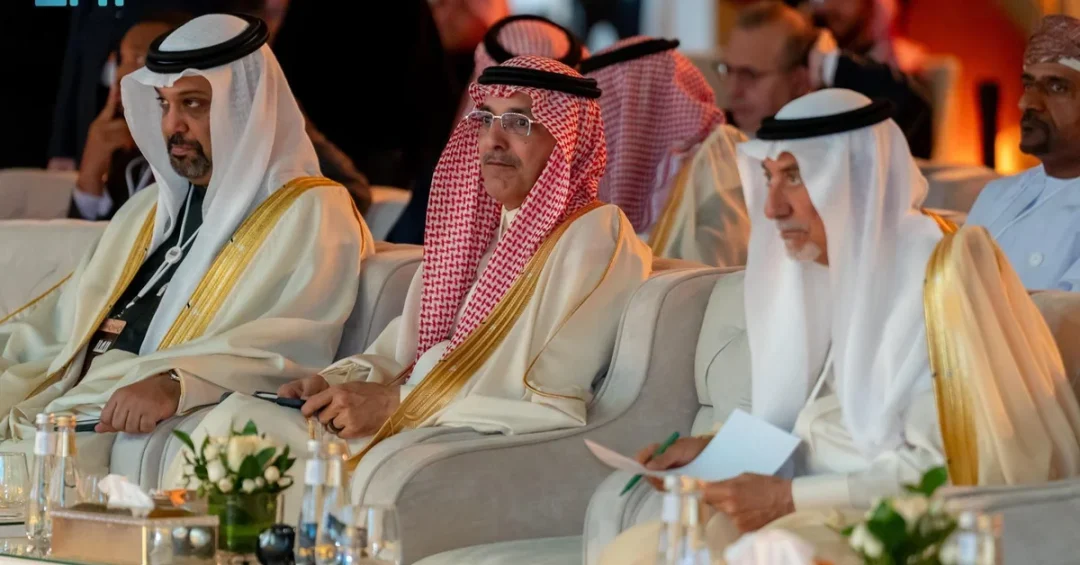
Saudi Finance Minister Mohammed Aljadaan and IMF Managing Director Kristalina Georgieva issued a joint statement at the conclusion of the inaugural AlUla Conference for Emerging Market Economies, held from February 16 to 17, 2025. The two-day event, co-hosted by the Saudi Ministry of Finance and the International Monetary Fund (IMF), brought together policymakers, academics, and representatives from regional and international financial institutions to discuss challenges and opportunities for emerging markets (EMs).
Context and Background
The AlUla Conference for Emerging Market Economies marked the first global forum dedicated exclusively to addressing the economic prospects of emerging markets. Held in the historic city of AlUla, the conference aimed to foster collaboration and dialogue on navigating risks and leveraging opportunities in a rapidly changing global economy. The event underscores Saudi Arabia’s commitment to supporting global economic stability and growth, aligning with its Vision 2030 goals of diversification and international partnerships.
Key Details
In their joint statement, Minister Aljadaan and Managing Director Georgieva highlighted three key takeaways from the conference. First, they emphasized the importance of building resilience through sound macroeconomic and financial policies in an uncertain world. Second, they noted the potential for emerging markets to strengthen their economies through digitalization, AI, and regional trade integration. Third, they stressed the need for international cooperation to prevent economic divergence and ensure inclusive growth.
Implications and Impact
The conference’s outcomes have significant implications for emerging markets and the global economy. By focusing on digital infrastructure, human capital, and regional integration, emerging economies can enhance productivity and resilience. The discussions also highlighted the role of the international community in supporting countries at risk of falling behind, reinforcing the importance of global cooperation in addressing shared challenges.
Vision 2030 Alignment
The AlUla Conference aligns closely with Saudi Arabia’s Vision 2030 objectives, which emphasize economic diversification, innovation, and global leadership. By hosting this forum, Saudi Arabia demonstrates its commitment to fostering international collaboration and supporting sustainable economic growth. The conference also positions the Kingdom as a key player in shaping the future of emerging markets, contributing to a more resilient and inclusive global economy.
20 Questions
Q1. What was the purpose of the AlUla Conference for Emerging Market Economies?
A1. The conference aimed to foster collaboration and discuss challenges and opportunities for emerging markets in a rapidly changing global economy.
Q2. Who co-hosted the conference?
A2. The conference was co-hosted by the Saudi Ministry of Finance and the International Monetary Fund (IMF).
Q3. Who issued the joint statement at the conclusion of the conference?
A3. Saudi Finance Minister Mohammed Aljadaan and IMF Managing Director Kristalina Georgieva issued the joint statement.
Q4. What were the key takeaways from the conference?
A4. The key takeaways included building resilience, leveraging digitalization and AI, and fostering international cooperation to prevent economic divergence.
Q5. How does the conference align with Saudi Arabia’s Vision 2030?
A5. The conference aligns with Vision 2030 by promoting economic diversification, innovation, and global leadership in supporting sustainable growth.
Q6. What role did digitalization play in the discussions?
A6. Digitalization was highlighted as a key driver for enhancing productivity and resilience in emerging market economies.
Q7. What was the significance of AI in the conference’s outcomes?
A7. AI was seen as a promising tool for boosting productivity, but it requires investments in digital infrastructure and human capital.
Q8. Why is regional trade integration important for emerging markets?
A8. Regional trade integration can strengthen economies and enhance resilience by fostering closer economic ties.
Q9. What risks do emerging markets face in the current global economy?
A9. Emerging markets face risks such as economic divergence, technological disruptions, and climate-related challenges.
Q10. How can international cooperation support emerging markets?
A10. International cooperation can provide financial and technical support, helping countries avoid economic divergence and seize opportunities.
Q11. What is the role of macroeconomic policies in building resilience?
A11. Sound macroeconomic policies are crucial for maintaining stability and enabling economies to withstand shocks.
Q12. Why was AlUla chosen as the conference venue?
A12. AlUla was chosen for its historical significance and as a symbol of Saudi Arabia’s commitment to cultural and economic development.
Q13. Who attended the conference?
A13. Attendees included policymakers, academics, and representatives from regional and international financial institutions.
Q14. What is the significance of this being the first global forum for emerging markets?
A14. The forum’s exclusivity underscores the growing importance of emerging markets in the global economy and the need for focused discussions.
Q15. What were the main themes of the conference?
A15. The main themes included resilience, digital transformation, AI, regional integration, and international cooperation.
Q16. How can emerging markets leverage AI?
A16. Emerging markets can leverage AI by investing in digital infrastructure and human capital to enhance productivity and innovation.
Q17. What are the prospects for emerging markets in the near future?
A17. The prospects are promising, with opportunities for growth through digitalization, regional integration, and international support.
Q18. How does the conference contribute to global economic stability?
A18. The conference promotes dialogue and collaboration, helping to address shared challenges and foster inclusive growth.
Q19. What are the next steps following the conference?
A19. The next steps include continuing discussions and preparing for the second AlUla Conference in 2026.
Q20. How does Saudi Arabia benefit from hosting such conferences?
A20. Hosting conferences enhances Saudi Arabia’s global leadership role and supports its Vision 2030 goals of economic diversification and international partnerships.
Reader Feedback
We value your thoughts. Please share your feedback on this article.
Your feedback helps us improve our coverage.