


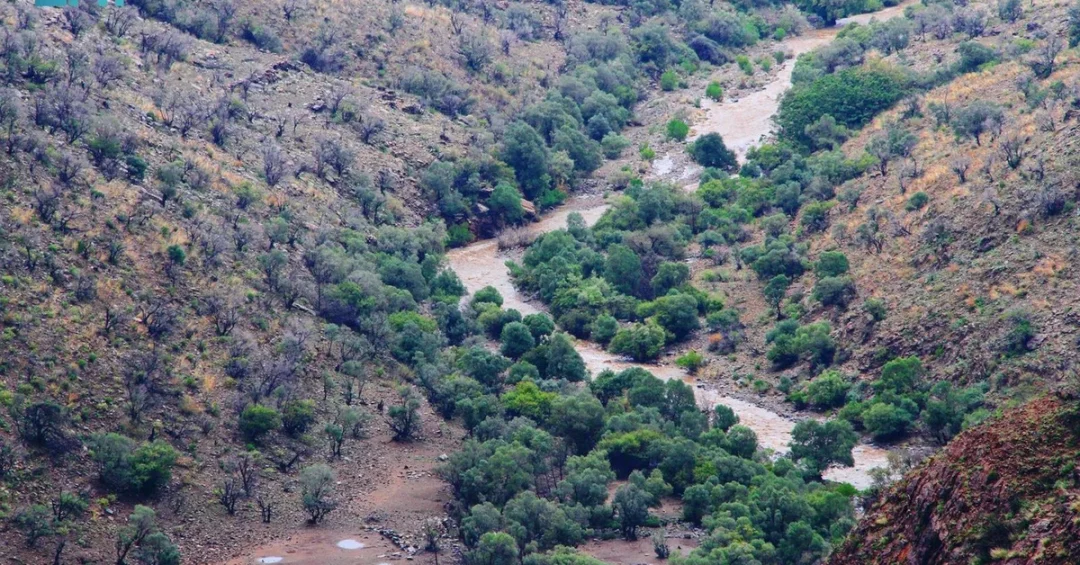
The resilient Al-Atam tree, known locally as “wild olive,” has been a cornerstone of life in the Sarawat Mountains of southwestern Saudi Arabia for centuries, with its strong wood and adaptability making it a vital resource for local communities, as reported by the Saudi Press Agency. This hardy species, scientifically recognized for its durability, thrives in the harsh conditions of the Sarat region, enduring drought, extreme temperatures, and rocky terrain. Generations of residents in areas including Taif Governorate, Maysan Governorate, and the villages of Bani Malik and Thaqif have relied on the Al-Atam for construction, toolmaking, and traditional medicine, underscoring its deep cultural and practical significance.
Context and Background
The Al-Atam tree is a testament to the rich natural heritage of the Kingdom of Saudi Arabia, particularly in the mountainous southwestern region. Unlike fruit-bearing olive trees, the Al-Atam is prized for its robust wood, which has been used for centuries in building materials, agricultural tools, and even the extraction of medicinal oils. Its ability to thrive without significant water resources highlights its value in arid and semi-arid environments, aligning with the Kingdom’s broader focus on sustainable land use and environmental stewardship. The tree’s prominence in areas like the Sarawat Mountains reflects a long history of human adaptation and resilience, with local farmers and communities passing down knowledge of its uses through generations.
Key Details
Farmers such as Saleh Al-Saadi have firsthand experience with the Al-Atam’s versatility. “It is a wonderful tree, even though it does not bear fruit,” Al-Saadi noted. “Its branches are strong and solid, and it can endure the harshest conditions.” This testimony highlights the tree’s role as a reliable resource in a challenging environment. According to the Saudi Press Agency, the Al-Atam is particularly concentrated in Taif Governorate, Maysan Governorate, and the villages of Bani Malik and Thaqif, where it has been integral to daily life. The tree’s wood is used for constructing homes and crafting tools, while its oil has applications in traditional healing practices, demonstrating a comprehensive utility that extends beyond simple material use.
Implications and Impact
The Al-Atam tree offers promising opportunities for sustainable development and cultural preservation in the Kingdom. As Saudi Arabia continues to explore its natural resources under the guidance of Vision 2030, the cultivation and research of species like the Al-Atam could support local economies, promote biodiversity, and preserve traditional crafts. The tree’s resilience in harsh conditions positions it as a model for sustainable agriculture and land rehabilitation in arid regions, which could have broader implications for environmental strategies across the Kingdom. Furthermore, the cultural heritage associated with the Al-Atam—embedded in local traditions, construction practices, and medicine—represents a valuable asset for tourism and education, particularly in the context of promoting the Sarawat Mountains as a destination for eco-tourism and historical exploration.
Vision 2030 Alignment
The Al-Atam tree exemplifies the intersection of natural heritage and sustainable development that is central to Saudi Arabia’s Vision 2030. By fostering research, cultivation, and conservation of such native species, the Kingdom can enhance environmental resilience, support rural communities, and preserve the cultural identity that enriches its national fabric. This approach aligns with Vision 2030’s goals of diversifying the economy, promoting sustainable resource management, and celebrating Saudi Arabia’s unique history and traditions. As initiatives like the Saudi Green Initiative and other environmental programs take root, the Al-Atam tree stands as a symbol of the Kingdom’s commitment to building a future where nature and progress thrive together, ensuring that generations to come can continue to benefit from this remarkable species.
20 Questions
Q1. What is the Al-Atam tree?
A1. The Al-Atam tree, also known as “wild olive,” is a hardy species native to the Sarawat Mountains in southwestern Saudi Arabia, valued for its strong wood and resilience in harsh conditions.
Q2. Why is the Al-Atam tree important to the Sarat region?
A2. For centuries, the Al-Atam tree has been integral to the Sarat region, providing durable wood for construction, toolmaking, and traditional medicine, supporting the livelihoods of local communities.
Q3. What are the main characteristics of the Al-Atam tree?
A3. The Al-Atam tree is known for its ability to withstand drought, extreme temperatures, and rocky terrain. It has strong, solid branches and does not bear fruit, focusing its energy on wood production.
Q4. Which areas in Saudi Arabia are home to the Al-Atam tree?
A4. The Al-Atam tree is particularly prevalent in the Taif Governorate, Maysan Governorate, and the villages of Bani Malik and Thaqif in the southwestern Sarawat Mountains.
Q5. How is the Al-Atam tree used in construction?
A5. The strong and durable wood of the Al-Atam tree has been used for centuries to build houses and other structures, providing a reliable building material in mountainous regions.
Q6. What traditional medicinal uses does the Al-Atam tree have?
A6. Oil extracted from the Al-Atam tree is used in traditional healing practices, offering remedies for various ailments, reflecting the tree’s role in local healthcare.
Q7. Who is Saleh Al-Saadi, and what does he say about the Al-Atam tree?
A7. Saleh Al-Saadi is a farmer from the Sarat region who appreciates the Al-Atam tree for its strength and resilience, noting its ability to endure harsh conditions despite not bearing fruit.
Q8. How does the Al-Atam tree contribute to toolmaking?
A8. The robust wood of the Al-Atam tree is used to craft agricultural tools and other implements, essential for daily farming and household tasks in the Sarawat Mountains.
Q9. What are the environmental benefits of the Al-Atam tree?
A9. The Al-Atam tree’s resilience to drought and poor soil helps prevent erosion and supports biodiversity in arid mountainous ecosystems, contributing to environmental stability.
Q10. How does the Al-Atam tree relate to Saudi Arabia’s Vision 2030?
A10. The Al-Atam tree aligns with Vision 2030 by promoting sustainable resource management, preserving cultural heritage, and supporting eco-tourism and local economic development.
Q11. What is the historical significance of the Al-Atam tree in Saudi Arabia?
A11. For generations, the Al-Atam tree has been a cornerstone of life in the Sarat region, providing materials for shelter, tools, and medicine, embodying a deep cultural and historical connection.
Q12. Does the Al-Atam tree bear fruit?
A12. No, the Al-Atam tree does not bear fruit. It is valued instead for its strong wood and oil, making it distinct from other olive tree varieties.
Q13. Can the Al-Atam tree be cultivated in other regions of Saudi Arabia?
A13. With further research and cultivation efforts, the Al-Atam tree could potentially be grown in other arid regions of Saudi Arabia, supporting sustainable development and land rehabilitation.
Q14. What role does the Al-Atam tree play in cultural preservation?
A14. The Al-Atam tree supports cultural preservation by sustaining traditional crafts, building practices, and medicinal knowledge that have been passed down through generations in the Sarat region.
Q15. How does the Al-Atam tree support eco-tourism?
A15. The Al-Atam tree can attract eco-tourism by highlighting the natural beauty and heritage of the Sarawat Mountains, offering opportunities for educational and nature-based experiences.
Q16. What makes the Al-Atam tree’s wood particularly valuable?
A16. The wood of the Al-Atam tree is strong, solid, and durable, making it ideal for construction and toolmaking, especially in the demanding conditions of the Sarawat Mountains.
Q17. Which government agency reported information about the Al-Atam tree?
A17. The information about the Al-Atam tree was reported by the Saudi Press Agency (SPA), the official news authority of the Kingdom of Saudi Arabia.
Q18. What are the future prospects for the Al-Atam tree in Saudi Arabia?
A18. With continued research and cultivation, the Al-Atam tree could play a greater role in sustainable development, biodiversity, and cultural preservation, supporting Saudi Arabia’s long-term goals.
Q19. Is the Al-Atam tree protected under any Saudi conservation programs?
A19. While not explicitly mentioned, the Al-Atam tree’s value for sustainability aligns with national conservation initiatives, and further efforts may integrate it into broader environmental programs.
Q20. How can people learn more about the Al-Atam tree?
A20. People can learn more through official Saudi sources like the Saudi Press Agency and by exploring cultural and natural heritage sites in the Sarawat Mountains.
Reader Feedback
We value your thoughts. Please share your feedback on this article.
Your feedback helps us improve our coverage.