
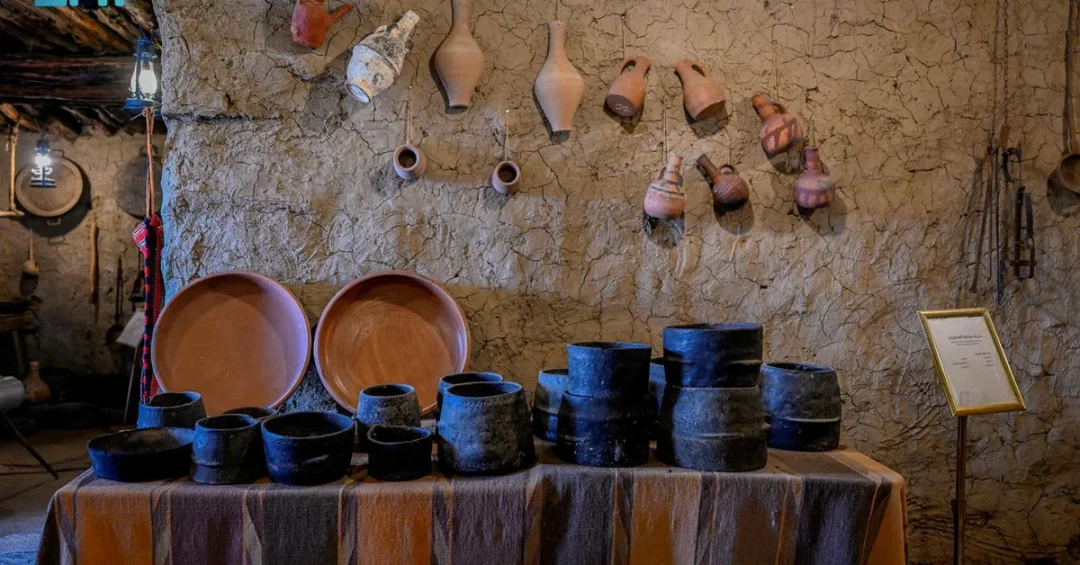
The traditional markets of Al-Baha Region are experiencing a seasonal surge in activity as residents prepare for Ramadan, with heritage kitchenware playing a central role in reviving culinary memories and cultural identity. According to reports from the Saudi Press Agency (SPA), the weeks leading up to the holy month see increased demand for traditional earthenware, pottery, copper, and stoneware, items deeply connected to the preparation of regional dishes and the preservation of generational customs.
Context and Background
Al-Baha Region, located in southwestern Saudi Arabia, is renowned for its rich cultural heritage, scenic landscapes, and deep historical roots. The region’s agricultural character and historical harmony with its environment have profoundly shaped its material culture, including its distinctive kitchen utensils. These items are not merely tools for cooking but are considered artifacts of a living heritage, reflecting the identity and daily life of past generations. While modern kitchen appliances are commonplace in homes today, the traditional utensils retain a special significance, particularly during religious and cultural occasions like Ramadan, linking contemporary practices to a cherished past.
Key Details and Seasonal Traditions
As reported by SPA, the practice of renewing household utensils before Ramadan is a well-established seasonal custom, especially among women in Al-Baha. Markets and shops along the region’s main roads are bustling with activity as customers seek out traditional items. Pottery merchants display a wide variety of pieces in different shapes and sizes, often decorated with traditional and Islamic motifs associated with the holy month. These products hold particular appeal for elderly residents and those seeking to maintain a tangible connection to heritage. Furthermore, institutions like Al-Akhawayn Museum serve as custodians of this legacy, displaying collections of antique household utensils that showcase the region’s varied craftsmanship and historical uses.
Cultural Significance and Implications
The renewed interest in traditional kitchenware during Ramadan underscores a broader national movement to preserve and celebrate Saudi Arabia’s diverse cultural heritage. This trend has significant implications for cultural tourism and local economies. The active marketplace for heritage crafts supports local artisans and merchants, contributing to sustainable community development. For visitors, both domestic and international, the sight of these vibrant markets and museum exhibits offers an authentic glimpse into Saudi traditions, enhancing Al-Baha’s appeal as a cultural destination. This practice demonstrates how cultural preservation can coexist with modernization, ensuring that intangible heritage—the knowledge of recipes, the rhythms of seasonal preparation, and the social rituals of cooking—is passed forward.
Vision 2030 Alignment
The revitalization of traditional crafts and culinary customs in Al-Baha directly supports the ambitious goals of Saudi Vision 2030. One of the Vision’s key pillars is promoting a vibrant society by strengthening national identity and preserving cultural heritage. The active engagement with traditional kitchenware is a grassroots embodiment of this objective, turning cultural memory into living practice. Furthermore, this activity stimulates the local economy and enriches the tourism sector, aligning with Vision 2030’s economic diversification plans. By fostering pride in regional traditions and creating economic opportunities around them, Saudi Arabia is ensuring its rich cultural tapestry remains a dynamic and integral part of its future, showcasing to the world a nation confidently rooted in its history while steadily progressing toward its modern ambitions.