
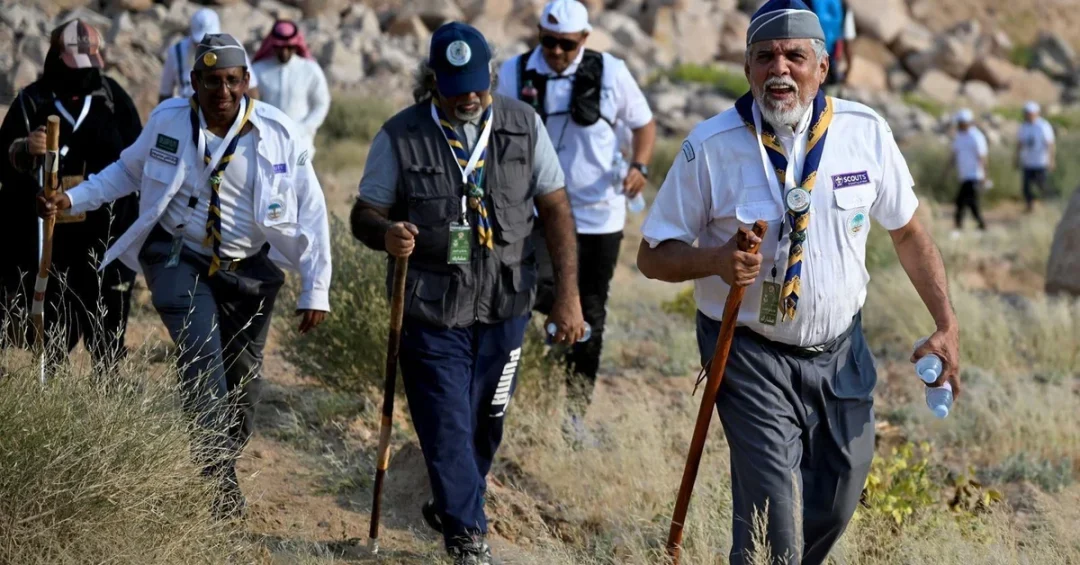
The Al-Jumum Governorate in the Makkah region recently hosted a major hiking event designed to promote public health and sustainable ecotourism, according to official reports from the Saudi Press Agency (SPA). Organized in collaboration with the Saudi Climbing and Hiking Federation and multiple local government agencies, the initiative successfully drew crowds to explore the area’s natural landscapes and cultural heritage. The event represents a strategic effort to integrate community sports with cultural tourism, encouraging preventive health practices while showcasing Saudi Arabia’s diverse regional attractions to both domestic and international visitors.
Context and Background
The event in Al-Jumum is part of a broader national strategy to develop Saudi Arabia’s tourism sector and promote active, healthy lifestyles among its citizens and residents. Under the leadership of the Ministry of Tourism and the Ministry of Sport, Saudi Arabia has been systematically investing in its natural and cultural assets to create new recreational destinations. The Saudi Climbing and Hiking Federation, established to regulate and promote adventure sports, plays a pivotal role in organizing such safe, structured events that open up the Kingdom’s varied geography to enthusiasts. This initiative aligns with global trends valuing experiential and sustainable travel, positioning Saudi regions as emerging hubs for ecotourism.
Key Details and Organization
The hiking event was a coordinated effort involving several key entities. The primary organizer was the Saudi Climbing and Hiking Federation, the official body overseeing mountaineering and trekking activities in the Kingdom. They worked alongside local government agencies in Al-Jumum Governorate to ensure logistical support, safety, and community engagement. The program was carefully designed to highlight the governorate’s unique heritage sites and agricultural landmarks, transforming the natural terrain into an interactive tourist experience. By focusing on these elements, the event served a dual purpose: a community sports activity and a curated introduction to the region’s identity.
Implications and Impact
The successful execution of the Al-Jumum hike has significant implications for regional development and public health. Economically, it demonstrates a model for rural tourism that can revitalize local economies by creating demand for services, guiding, and local products. Socially, it fosters a culture of preventive health, encouraging outdoor physical activity as a cornerstone of community well-being. From a tourism perspective, it diversifies Saudi Arabia’s offerings beyond its well-known urban and religious sites, showcasing the scenic and historical depth of regions like Al-Jumum. This contributes to the Kingdom’s goal of becoming a year-round destination for diverse traveler interests.
Vision 2030 Alignment
This event is a direct manifestation of the goals outlined in Saudi Arabia’s Vision 2030 reform plan. It actively supports the Vision’s ‘Quality of Life’ program by promoting sports and recreational activities, and its ‘Vibrant Society’ pillar by celebrating and preserving local heritage. Furthermore, it advances the economic diversification objectives by strengthening the tourism and leisure sector, a key non-oil industry targeted for growth. By transforming natural assets into sustainable tourist attractions, initiatives like the Al-Jumum hike exemplify how Vision 2030 is being implemented at the local level, enhancing the Kingdom’s global appeal as a destination for adventure, culture, and wellness.
20 Questions and Answers
Q1: Where did the hiking event take place?
A1: The hiking event took place in Al-Jumum Governorate, which is located in the Makkah region of Saudi Arabia.
Q2: Who organized the Al-Jumum hiking event?
A2: The event was organized by the Saudi Climbing and Hiking Federation in collaboration with various local government agencies in Al-Jumum Governorate.
Q3: What was the primary goal of the event?
A3: The primary goals were to promote public health and sustainable ecotourism by integrating community sports with cultural exploration.
Q4: Which national strategy does this event support?
A4: The event supports Saudi Arabia’s national strategy to develop its tourism sector and promote active, healthy lifestyles, in line with Vision 2030.
Q5: What did the event encourage among participants?
A5: The event encouraged a culture of preventive health through outdoor physical activity and an appreciation for local heritage.
Q6: How did the event aim to help the local economy?
A6: It aimed to revitalize the local economy by promoting rural tourism, creating demand for local services and products.
Q7: What type of landmarks were featured during the hike?
A7: The hike featured the governorate’s heritage sites and agricultural landmarks, showcasing its cultural and natural assets.
Q8: What is the Saudi Climbing and Hiking Federation?
A8: It is the official national body responsible for regulating and promoting mountaineering, climbing, and hiking activities in Saudi Arabia.
Q9: What broader trend in travel does this event align with?
A9: It aligns with the global trend towards experiential and sustainable travel, or ecotourism.
Q10: Which government ministries’ strategies are supported by such events?
A10: Such events support the strategies of the Ministry of Tourism and the Ministry of Sport in Saudi Arabia.
Q11: What was transformed into tourist attractions for this event?
A11: The natural landscapes of Al-Jumum Governorate were transformed into vibrant tourist attractions for the event.
Q12: What does the event add to Saudi Arabia’s tourism offerings?
A12: It adds diversity by showcasing regional scenic and historical sites, complementing the well-known urban and religious destinations.
Q13: Which Vision 2030 program is supported by promoting sports activities?
A13: The ‘Quality of Life’ program under Vision 2030 is supported by promoting sports and recreational activities.
Q14: Which Vision 2030 pillar is advanced by celebrating local heritage?
A14: The ‘Vibrant Society’ pillar of Vision 2030 is advanced by celebrating and preserving local heritage.
Q15: How does the event contribute to economic diversification?
A15: It strengthens the tourism and leisure sector, which is a key non-oil industry targeted for growth under Vision 2030.
Q16: What kind of tourism model does the event demonstrate?
A16: It demonstrates a successful model for sustainable rural tourism that can be replicated in other regions.
Q17: What was the source of the information about this event?
A17: The information was officially reported by the Saudi Press Agency (SPA).
Q18: What is the significance of holding such events at the local governorate level?
A18: It shows the implementation of national Vision 2030 goals at the local level, enhancing community engagement and regional development.
Q19: What dual purpose did the event’s design serve?
A19: It served as both a community sports activity and a curated introduction to the region’s cultural identity and landmarks.
Q20: How does this event position Saudi Arabia internationally?
A20: It positions Saudi Arabia as an emerging destination for adventure, culture, and wellness tourism, appealing to an international audience.