


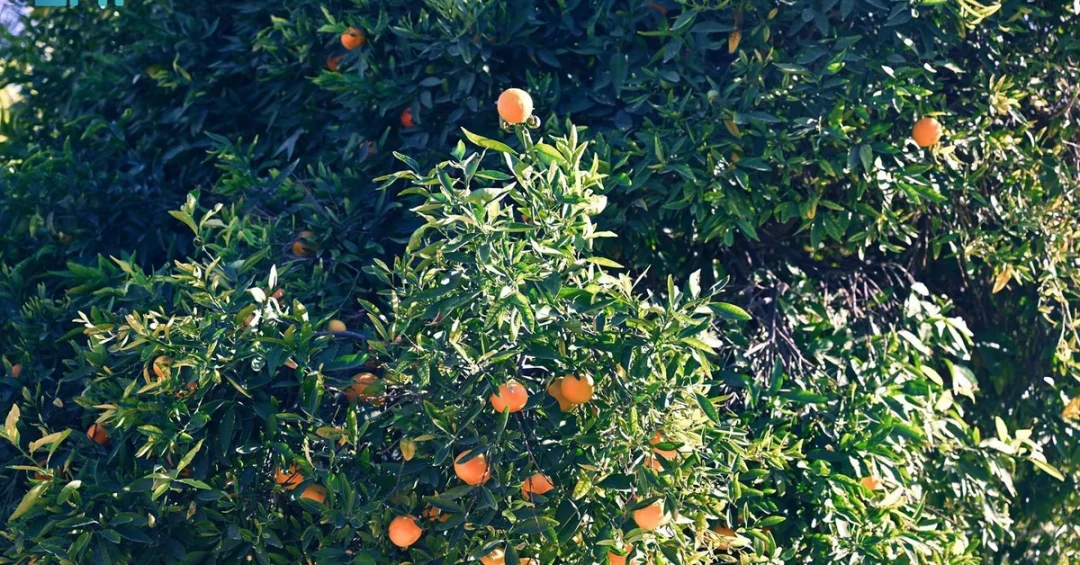
The citrus harvest season has officially begun across AlUla Governorate, with annual production exceeding 6,500 tons, the Saudi Press Agency reported. This season highlights the region’s agricultural prominence, as farms covering approximately 654.57 hectares and home to more than 261,826 citrus trees of various varieties burst into activity. The harvest includes oranges, tangerines, citrons, and sweet lemons, all renowned for their exceptional quality, stemming from AlUla’s unique climate and fertile soil that impart superior flavor and nutritional value.
Context and Background
AlUla Governorate, situated in northwestern Saudi Arabia, is emerging as a leading agricultural hub under the Kingdom’s Vision 2030 economic diversification plans. While globally known for its cultural heritage sites like Hegra, AlUla’s agricultural sector plays a vital role in the local economy. The Royal Commission for AlUla (RCU), established by royal decree to preserve the region’s natural and historical assets, has implemented modern farming technologies and training programs to boost productivity. This season underscores the success of these initiatives, with citrus yields contributing to both domestic food security and export potential.
Key Details
Farmer Mohammed Al-Joud noted in an interview with the Saudi Press Agency that support from the Royal Commission for AlUla (RCU), including advancements in irrigation techniques, agricultural guidance, and training programs, has greatly enhanced productivity and diversification. “Citrus farming in AlUla is more than a livelihood—it represents a cherished cultural heritage,” Al-Joud said. He expressed pride in contributing premium-quality produce to both local and international markets, adding that the harvest season transcends agriculture to become an economic and cultural celebration.
Implications and Impact
AlUla’s citrus success has significant implications for Saudi Arabia’s agricultural self-sufficiency goals. By leveraging sustainable farming practices and heritage-driven initiatives, the region reduces reliance on imported fruits while creating job opportunities and supporting rural development. The high-quality produce also positions Saudi Arabia as a competitive player in global agricultural markets, aligning with the National Agricultural Strategy’s objectives. Furthermore, the integration of agriculture with tourism in AlUla—a premier cultural destination—enhances the visitor experience, offering farm-to-table experiences and seasonal festivals that attract both local and international tourists.
Vision 2030 Alignment
AlUla’s citrus harvest exemplifies Saudi Arabia’s commitment to Vision 2030, which prioritizes economic diversification, sustainable agriculture, and community development. By empowering local farmers through advanced technology and training, the Royal Commission for AlUla (RCU) is transforming a traditional livelihood into a modern, resilient sector. This season’s production milestone demonstrates how heritage and innovation can coexist, strengthening the Kingdom’s food security while preserving cultural identity—a key pillar of the Vision 2030 framework. As AlUla continues to blend its agricultural bounty with its rich history, it sets a benchmark for regional development across the Kingdom.
20 Questions
Q1. When did the citrus harvest season officially begin in AlUla?
A1. The citrus harvest season officially began in AlUla Governorate as reported on December 01, 2024, by the Saudi Press Agency, marking the start of the annual farming activity across the region’s farms.
Q2. How many tons of citrus does AlUla produce annually?
A2. AlUla’s annual citrus production exceeds 6,500 tons, including oranges, tangerines, citrons, and sweet lemons, making it a leading agricultural region in Saudi Arabia.
Q3. What is the total area dedicated to citrus farming in AlUla?
A3. Citrus farming in AlUla covers approximately 654.57 hectares, with more than 261,826 citrus trees of various varieties, highlighting the region’s significant agricultural capacity.
Q4. Which organization has supported farmers in AlUla to enhance productivity?
A4. The Royal Commission for AlUla (RCU) has provided support through advancements in irrigation techniques, agricultural guidance, and training programs, boosting productivity and diversification.
Q5. What types of citrus fruits are grown in AlUla?
A5. AlUla grows oranges, tangerines, citrons, and sweet lemons, all known for high quality due to the region’s unique climate and fertile soil.
Q6. Why are AlUla’s citrus fruits considered high quality?
A6. AlUla’s citrus fruits are high quality because of the region’s unique climate and fertile soil, which contribute to producing fruits with exceptional flavor and significant nutritional value.
Q7. Who is farmer Mohammed Al-Joud, and what did he say about citrus farming?
A7. Farmer Mohammed Al-Joud is a local citrus grower in AlUla who emphasized that support from the Royal Commission for AlUla (RCU) has enhanced productivity, and he noted that citrus farming represents a cherished cultural heritage.
Q8. How does the citrus harvest season serve as a cultural celebration?
A8. The citrus harvest season in AlUla transcends agriculture, becoming an economic and cultural celebration that highlights the region’s agricultural excellence and diversity, as noted by farmer Mohammed Al-Joud.
Q9. What role does the Royal Commission for AlUla (RCU) play in citrus farming?
A9. The Royal Commission for AlUla (RCU) supports farmers by providing modern irrigation technologies, agricultural guidance, and training programs, which help increase productivity and crop diversification.
Q10. How does AlUla’s citrus production contribute to Saudi Arabia’s food security?
A10. AlUla’s high-volume citrus production reduces the Kingdom’s reliance on imported fruits, supporting national food security goals under Vision 2030 by ensuring a stable supply of nutritious, locally grown produce.
Q11. Can AlUla’s citrus fruits be exported to international markets?
A11. Yes, farmer Mohammed Al-Joud expressed pride in contributing premium-quality produce to both local and international markets, indicating that AlUla’s citrus fruits are suitable for global export.
Q12. What is the connection between AlUla’s agriculture and its tourism sector?
A12. AlUla’s agriculture complements its tourism sector by offering farm-to-table experiences and seasonal festivals, attracting visitors who want to experience the region’s cultural heritage and agricultural bounty.
Q13. How many citrus trees are there in AlUla?
A13. AlUla is home to more than 261,826 citrus trees of various varieties, spread across approximately 654.57 hectares of farmland.
Q14. What is Vision 2030’s role in AlUla’s agricultural development?
A14. Vision 2030 drives economic diversification, sustainable agriculture, and community development in AlUla by empowering local farmers through technology and training, as implemented by the Royal Commission for AlUla (RCU).
Q15. Which government agency reported the start of the citrus harvest season?
A15. The Saudi Press Agency (SPA) reported the start of the citrus harvest season on December 01, 2024, quoting local farmers and officials from AlUla Governorate.
Q16. What traditional practices are associated with citrus farming in AlUla?
A16. Citrus farming in AlUla is deeply rooted in cultural heritage, with farmers like Mohammed Al-Joud viewing it as a cherished tradition passed down through generations, now enhanced by modern agricultural techniques.
Q17. How does the Royal Commission for AlUla (RCU) ensure sustainable citrus farming?
A17. The RCU promotes sustainable farming by introducing advanced irrigation techniques that conserve water, providing training on modern agricultural practices, and encouraging crop diversification to maintain soil health.
Q18. What economic benefits does the citrus harvest bring to AlUla?
A18. The citrus harvest boosts AlUla’s economy by creating jobs, increasing local revenue through sales to domestic and international markets, and supporting ancillary industries like packaging, logistics, and tourism.
Q19. Is there a festival or event tied to the citrus harvest in AlUla?
A19. While not explicitly named, farmer Mohammed Al-Joud described the harvest season as an economic and cultural celebration, suggesting festivities that showcase agricultural excellence and community pride in AlUla.
Q20. What future developments are planned for AlUla’s agricultural sector?
A20. Future developments likely include expanding sustainable farming initiatives, integrating more technology for precision agriculture, and strengthening export channels, all aligned with Vision 2030 to make AlUla a model for agricultural innovation.
Reader Feedback
We value your thoughts. Please share your feedback on this article.
Your feedback helps us improve our coverage.