


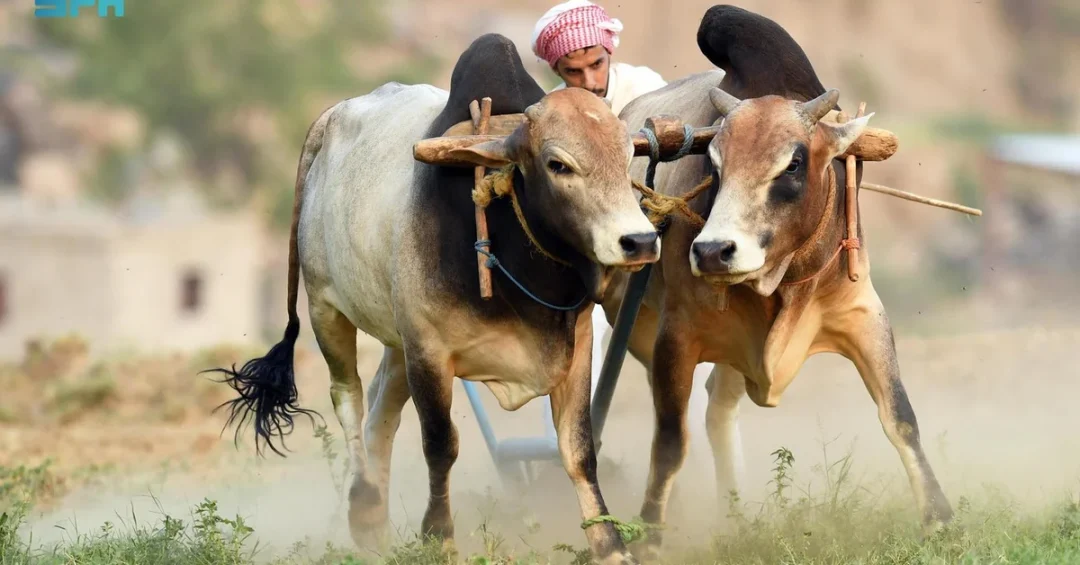
High in the mountains of Saudi Arabia’s Aseer Region, the agricultural villages of Mount Barkouk stand as a living museum of ancient farming traditions. Located at over 1,900 meters above sea level in the Governorate of Bariq, these communities continue to practice time-honored methods such as plowing with cows and harvesting by hand, according to the Saudi Press Agency (SPA). The site offers a unique glimpse into a way of life that has sustained the region for centuries, blending agricultural heritage with striking natural beauty.
Context and Background
Mount Barkouk’s significance extends beyond its scenic landscapes. As Saudi Arabia accelerates its Vision 2030 agenda, which includes boosting cultural tourism and preserving historical sites, places like Barkouk gain renewed importance. The mountain’s archaeological sites and traditional farming practices provide a tangible link to the Kingdom’s past, offering both educational value and tourism potential. Researcher Dr. Mohammed al-Jahini noted that these elements enhance the area’s historical and tourism value, making it a compelling destination for visitors seeking authentic experiences.
Key Details
The traditional farming cycle on Mount Barkouk is a meticulous process. Seasonal grain cultivation relies on methods passed down through generations. Locals separate and sift grains using a rectangular stone grinder pulled by cows, a technique that has changed little over time. The region is also renowned for cultivating local crops such as wheat, millet, and barley. In addition, Barkouk produces a variety of high-quality honey, a result of the region’s diverse plant life. Local resident Hashem Awad highlighted the area’s lush juniper and jujube forests, abundant vegetation, and moderate climate, noting that ample rainfall throughout the year makes Barkouk ideal for both agriculture and tourism.
Implications and Impact
The preservation of these ancient practices carries significant implications. For international audiences, Mount Barkouk represents an authentic cultural experience that stands apart from modern, industrialized agriculture. The site also supports Saudi Arabia’s goal to diversify its tourism offerings, moving beyond religious tourism to include cultural and eco-tourism. The dedication of local communities in introducing younger generations to these farming techniques ensures that this heritage remains alive, contributing to social cohesion and sustainable local development.
20 Questions
Q1. What is Mount Barkouk known for?
A1. Mount Barkouk is known for its seasonal grain cultivation using traditional farming methods, including plowing with cows and hand harvesting, as reported by the Saudi Press Agency.
Q2. Where is Mount Barkouk located?
A2. Mount Barkouk is located in the northern Aseer Region of Saudi Arabia, in the Governorate of Bariq, at an elevation of over 1,900 meters above sea level.
Q3. What traditional methods are still used on Mount Barkouk?
A3. Locals continue to use traditional methods such as plowing with cows, harvesting by hand, and grinding grains with a rectangular stone grinder pulled by cows.
Q4. What crops are cultivated on Mount Barkouk?
A4. The region cultivates local crops including wheat, millet, and barley, which are grown using seasonal, traditional agricultural techniques.
Q5. What is special about the honey produced in Barkouk?
A5. Barkouk is famous for producing a variety of high-quality honey, thanks to the region’s diverse and abundant plant life.
Q6. Who is Dr. Mohammed al-Jahini?
A6. Dr. Mohammed al-Jahini is a researcher who noted the dedication of the local community in preserving agricultural heritage and the tourism value of Mount Barkouk.
Q7. What natural features enhance Mount Barkouk’s appeal?
A7. The mountain features lush juniper and jujube forests, abundant vegetation, a moderate climate, and ample rainfall, making it ideal for agriculture and tourism.
Q8. How does Mount Barkouk contribute to Saudi Arabia’s Vision 2030?
A8. Mount Barkouk supports Vision 2030 by preserving cultural heritage and promoting eco-tourism, which diversifies the Kingdom’s tourism offerings beyond religious travel.
Q9. What is the elevation of Mount Barkouk?
A9. Mount Barkouk stands at over 1,900 meters above sea level, providing a cool climate suitable for traditional farming.
Q10. Why is the preservation of traditional farming important in Barkouk?
A10. Preservation is important for maintaining cultural identity, educating younger generations, and offering authentic experiences that attract international tourists.
Q11. What role does Hashem Awad play in the region?
A11. Hashem Awad is a local resident who highlighted the region’s natural beauty, including forests and moderate climate, as key factors for agriculture and tourism.
Q12. What did the Saudi Press Agency report about Mount Barkouk?
A12. The Saudi Press Agency reported on the traditional farming practices, local crops, and natural beauty of Mount Barkouk, emphasizing its historical and tourism value.
Q13. How do locals process grains on Mount Barkouk?
A13. Locals separate and sift grains using a rectangular stone grinder pulled by cows, a traditional method that has been used for generations.
Q14. What types of grains are grown on Mount Barkouk?
A14. The principal grains grown on Mount Barkouk include wheat, millet, and barley, cultivated through seasonal, rain-fed agriculture.
Q15. How does the moderate climate benefit Mount Barkouk?
A15. The moderate climate, combined with ample rainfall throughout the year, provides ideal conditions for both crop cultivation and tourism activities.
Q16. What archaeological sites are found on Mount Barkouk?
A16. Researcher Dr. Mohammed al-Jahini noted that the mountain contains archaeological sites that add historical depth and tourism value to the area.
Q17. Why is introducing younger generations to farming important?
A17. Introducing younger generations to traditional farming ensures the continuity of cultural heritage, fosters community pride, and sustains local economic practices.
Q18. What makes Mount Barkouk a unique tourism destination?
A18. Its combination of living agricultural traditions, stunning natural landscapes, and archaeological sites offers a unique, authentic experience for cultural and eco-tourists.
Q19. How does traditional farming on Mount Barkouk differ from modern agriculture?
A19. Traditional farming relies on manual labor, animal power, and natural rainfall, without modern machinery or synthetic inputs, preserving centuries-old techniques.
Q20. What forest types are found on Mount Barkouk?
A20. The region is home to lush juniper and jujube forests, which contribute to the area’s biodiversity and the production of high-quality honey.
Vision 2030 Alignment
Mount Barkouk’s living agricultural traditions directly support Saudi Arabia’s Vision 2030 goals of preserving cultural heritage and developing sustainable tourism. By showcasing these ancient practices, the Kingdom invites the world to explore a side of Saudi Arabia rooted in land, community, and history. This effort aligns with the broader ambition to diversify the economy and position the Kingdom as a premier global destination for cultural and eco-tourism, ensuring that the wisdom of the past continues to enrich the future.
Reader Feedback
We value your thoughts. Please share your feedback on this article.
Your feedback helps us improve our coverage.