


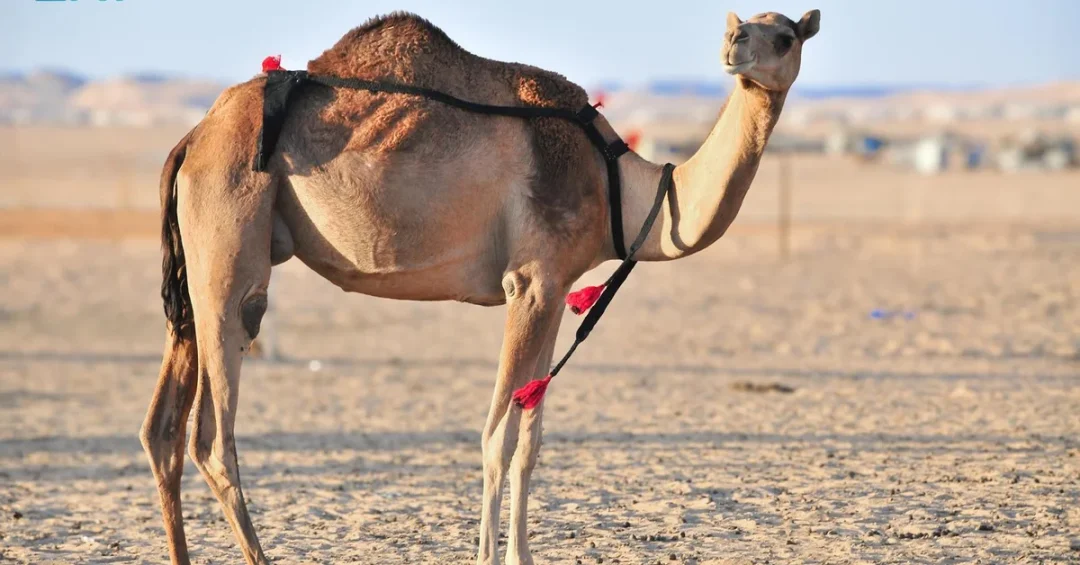
The Awarik camel, one of the oldest and most distinctive breeds in the Arabian Peninsula, is celebrated for its deep-rooted connection to the region’s heritage and its unique bond with the arak tree. According to information released by the Saudi Press Agency (SPA), the Awarik camel is named for its fondness for the arak tree, whose taste infuses its milk, and it thrives primarily in the southern and western regions of Saudi Arabia. This breed, mentioned in numerous classical Arab poems, embodies a living tradition that the Kingdom is working to preserve as part of its cultural identity.
Context and Background
The Awarik camel has historically inhabited the diverse landscapes of Tihama Hijaz, Aseer, Al-Baha, Jazan, Najran, and the Sarawat valleys, including areas like Tathlith, Tareeb, and Bisha. These camels are medium-sized, with small, tapered heads, erect ears, and bright coats, characteristics that distinguish them from other breeds. Renowned for their abundant and tasty milk, Awarik camels are highly adaptable, capable of thriving on sparse vegetation, and are noted for their speed and loyalty to their home ranges. Unlike many other camel breeds, they rarely stray from the arak-rich habitats that define their habitat.
Key Details
The Awarik camel is typically owned by local farmers or Bedouins, who prize the animals for their loyalty and the unique flavor of their milk, which is said to be influenced by the arak tree. The breed’s name itself is derived from this arboreal association, highlighting a symbiotic relationship between the camel and its environment. These camels are not only a source of milk but also a symbol of the traditional Bedouin lifestyle, reflecting the deep knowledge of local ecosystems that has been passed down through generations.
Implications and Challenges
Despite its cultural significance, the Awarik camel faces a critical threat of extinction. Hybridization with other camel breeds, both Arab and foreign, combined with shifting preferences among owners, has placed the purity of the Awarik breed at risk. The Saudi government, in alignment with its broader environmental and cultural conservation goals, recognizes the urgency of protecting such indigenous species. Preserving the Awarik camel supports biodiversity and maintains an irreplaceable link to the Kingdom’s natural and poetic heritage.
20 Questions
Q1. What is the Awarik camel?
A1. The Awarik camel is one of the oldest and most distinctive camel breeds in the Arabian Peninsula, known for its connection to the arak tree and its prevalence in the southern and western regions of Saudi Arabia.
Q2. Why is the Awarik camel named that way?
A2. It is named for its fondness for the arak tree, whose taste is said to flavor its milk. This deep-rooted preference distinguishes it from other camel breeds.
Q3. Where does the Awarik camel live?
A3. The Awarik camel inhabits Tihama Hijaz, Aseer, Al-Baha, Jazan, Najran, and the Sarawat valleys like Tathlith, Tareeb, and Bisha in Saudi Arabia.
Q4. What does the Awarik camel look like?
A4. It is medium-sized, with small, tapered heads, erect ears, and bright coats, making it physically distinct from other camel breeds.
Q5. Is the Awarik camel known for its milk?
A5. Yes, the Awarik camel is renowned for its abundant and tasty milk, which is influenced by the arak tree, giving it a unique flavor profile.
Q6. How adaptable is the Awarik camel?
A6. It is highly adaptable, content with sparse vegetation, and known for its speed and resilience, which are key traits for survival in its native habitats.
Q7. Are Awarik camels loyal to their home range?
A7. Yes, Awarik camels are prized for their loyalty and rarely stray from their arak-rich habitats, demonstrating a strong bond to their environment.
Q8. Who typically owns Awarik camels?
A8. They are typically owned by local farmers or Bedouins who value the camels for their loyalty, milk, and connection to traditional lifestyles.
Q9. Is the Awarik camel mentioned in Arab poetry?
A9. Yes, the Awarik camel is mentioned in numerous Arab poems, reflecting its cultural significance and long presence in the region’s literary heritage.
Q10. Does the Awarik camel face extinction?
A10. Yes, hybridization with other breeds and shifting owner preferences threaten the purity of the Awarik breed, placing it on the brink of extinction.
Q11. What causes the threat to the Awarik camel?
A11. The main threats are hybridization with other camel breeds, both Arab and foreign, and changing preferences among camel owners, which reduce genetic purity.
Q12. Why is preserving the Awarik camel important?
A12. Preservation is vital to maintain biodiversity, protect an indigenous species, and safeguard a living link to the cultural and poetic traditions of the Arabian Peninsula.
Q13. What role does the Saudi government play in protecting the Awarik camel?
A13. The Saudi government supports conservation efforts as part of its broader environmental and cultural goals, working to protect indigenous species like the Awarik camel.
Q14. How does the arak tree affect the Awarik camel’s milk?
A14. The arak tree’s taste is said to infuse and flavor the camel’s milk, giving it a unique taste that is highly prized by local owners and communities.
Q15. Can the Awarik camel be found outside Saudi Arabia?
A15. The breed is primarily found in the Arabian Peninsula’s southern and western regions, particularly in Saudi Arabia, and rarely migrates outside its arak-rich habitats.
Q16. What is the Awarik camel’s role in Bedouin culture?
A16. The Awarik camel is a symbol of traditional Bedouin life, providing milk and companionship, and is valued for its loyalty and connection to the local environment.
Q17. How does the Awarik camel compare to other breeds?
A17. It is distinguished by its smaller size, tapered head, erect ears, bright coat, and unique dietary preference for the arak tree, setting it apart from other camel types.
Q18. Is the Awarik camel used for racing?
A18. Yes, the Awarik camel is known for its speed, making it potentially suitable for racing, though its primary value lies in milk production and cultural heritage.
Q19. What are the Sarawat valleys?
A19. The Sarawat valleys are mountainous regions in southwestern Saudi Arabia, including areas like Tathlith, Tareeb, and Bisha, which serve as natural habitats for the Awarik camel.
Q20. Where can I find official information about the Awarik camel?
A20. Official information is available through the Saudi Press Agency (SPA), which has published reports detailing the breed’s characteristics, habitat, and conservation status.
Vision 2030 Alignment
The conservation of the Awarik camel directly aligns with Saudi Arabia’s Vision 2030, which emphasizes the protection of the Kingdom’s natural heritage and cultural identity as cornerstones of a vibrant society. By safeguarding indigenous species like the Awarik, the Kingdom strengthens its commitment to environmental stewardship and the preservation of traditional knowledge. This initiative supports the broader goals of promoting sustainable living and celebrating the unique heritage that makes Saudi Arabia a distinctive global destination. Through such efforts, the Kingdom is ensuring that future generations can continue to connect with the authentic traditions of the Arabian Peninsula.
Reader Feedback
We value your thoughts. Please share your feedback on this article.
Your feedback helps us improve our coverage.