


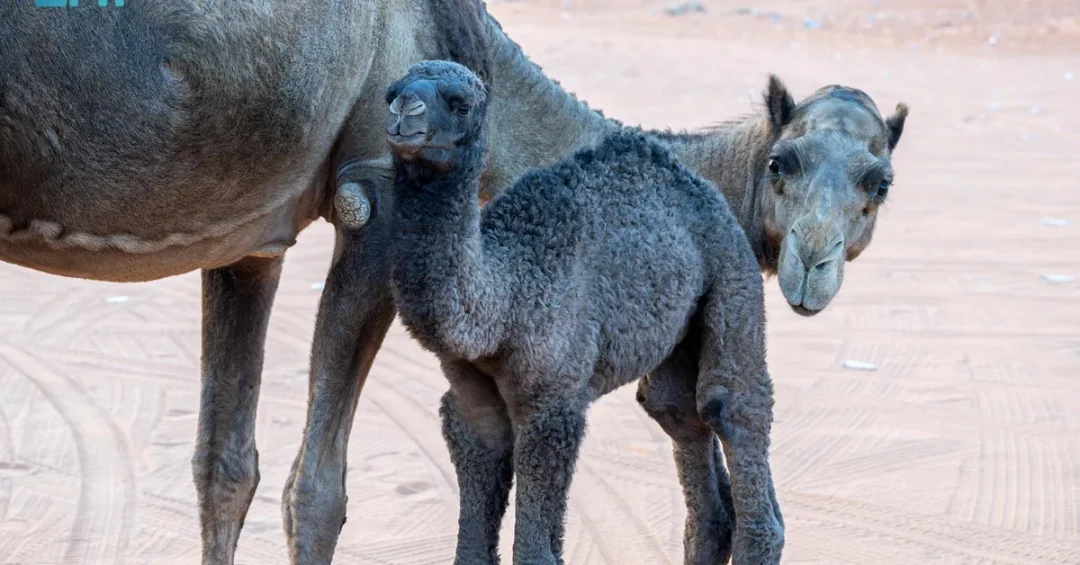
The ninth King Abdulaziz Camel Festival in Riyadh has highlighted the deep cultural and linguistic heritage of camel naming in the Arabian Peninsula, showcasing how these names reflect the enduring bond between humans and camels across generations. According to the Saudi Press Agency (SPA), the festival documented the sophisticated system of nomenclature used by Arabs to describe camels by age, reproductive status, and herd size, underscoring the animal’s central role in regional history and society.
Context and Background
Camels have been integral to life in the Arabian Peninsula for millennia, serving as a primary mode of transport, a source of food and materials, and a symbol of wealth and resilience. The desert environment shaped a unique relationship between Bedouin communities and their camels, leading to a highly descriptive language that captures every stage of a camel’s life. The King Abdulaziz Camel Festival, now in its ninth edition, serves as a platform to preserve and celebrate this cultural heritage, aligning with Saudi Arabia’s efforts to promote its rich traditions on an international stage.
Names by Age and Development
The SPA report details a precise terminology for camels based on age. A newborn camel is called “Hawar,” a name derived from the mother’s intense attentiveness; the calf can stand within two hours and begins walking with its mother shortly after. From six months to one year, the camel is known as “Makhlool,” and from one to two years, it becomes “Mufroud,” indicating full independence in grazing and drinking. The naming continues through adulthood: “Luqai” (two to three years), “Haq” (three to four years, when it starts carrying loads), “Jathaa” (four to five years), “Thinee” (five to six years, when it replaces its first incisors), “Rabaa” (six to seven years), and “Sudsis” (seven to eight years). A camel typically lives 25 to 30 years.
Names by Reproductive Status and Herd Size
Arabs also classify camels by their reproductive condition. An unmated camel is called “Hail,” a pregnant camel is “Haqah,” one with a calf is “Khilfah,” and the period immediately after insemination is called “Ma’ashar.” Additionally, herd size dictates specific collective terms: “Zhoud” (3 to 10 camels), “Sarmah” (20 to 30 camels), “Hijmah” (50 to 90 camels), “Hanidah” (100 camels), “Arj” (500 to 1,000 camels), and “Jarjour” (more than 1,000 camels). These terms reveal the cultural importance of camel husbandry and the need for precise communication in pastoral life.
Cultural and Economic Significance
The naming system is not merely linguistic but reflects a deep understanding of camel behavior, health, and utility. Festivals and events like the King Abdulaziz Camel Festival help sustain this knowledge for future generations while attracting global attention to Saudi Arabia’s cultural heritage. Camels remain economically important in the Kingdom, with breeding, racing, and tourism contributing to local economies and supporting Vision 2030 goals of diversifying the economy and promoting cultural tourism.
Vision 2030 Alignment
Preserving the traditional knowledge of camel naming and husbandry supports Saudi Arabia’s Vision 2030 objectives of fostering cultural pride and developing the tourism sector. By showcasing such unique heritage, the Kingdom invites international visitors to learn about its history and modern transformation, reinforcing its position as a global hub for culture and tourism.
20 Questions
Q1. What is the significance of camels in Arab culture?
A1. Camels hold historical, cultural, social, and economic significance in Arab culture, serving as a mode of transport, food source, and symbol of heritage passed down through generations in the Arabian Peninsula.
Q2. What event highlighted camel naming traditions?
A2. The ninth King Abdulaziz Camel Festival in Riyadh showcased the traditional naming of camels by age, reproductive status, and herd size, as reported by the Saudi Press Agency.
Q3. What is a newborn camel called?
A3. A newborn camel is called “Hawar,” named because its mother is extremely attentive and does not move unless the calf is with her. This name is used until the camel is six months old.
Q4. At what age is a camel called “Makhlool”?
A4. “Makhlool” is the name given to a camel from six months to one year old, marking the next stage after the initial nursing period.
Q5. What does “Mufroud” mean for a camel?
A5. “Mufroud” refers to a camel between one and two years old, when it becomes fully independent in grazing and drinking, no longer reliant on its mother.
Q6. When is a camel called “Luqai”?
A6. “Luqai” is used for a camel from two to three years old, meaning it has met its sibling from its mother’s subsequent birth.
Q7. At what age does a camel start carrying loads?
A7. At three to four years old, a camel is called “Haq” and begins to carry loads, marking its entry into working life.
Q8. What is the name for a camel in its fourth and fifth years?
A8. A camel between four and five years old is called “Jathaa,” continuing the age-based naming system.
Q9. When is a camel called “Thinee”?
A9. “Thinee” is the name for a camel between five and six years old, when it replaces its first set of incisors.
Q10. What are the names for camels aged six to eight years?
A10. From six to seven years, a camel is called “Rabaa,” and from seven to eight years, it is called “Sudsis,” reflecting continued age-based classification.
Q11. What is the typical lifespan of a camel?
A11. A camel typically lives between 25 to 30 years, though some may live longer with proper care.
Q12. What is a camel that has not been mated called?
A12. An unmated camel is called “Hail.” This term is used for animals that have not yet reproduced.
Q13. How is a pregnant camel referred to?
A13. A pregnant camel is called “Haqah,” a term that specifically indicates the pregnant state.
Q14. What does “Khilfah” mean?
A14. “Khilfah” refers to a camel that has a calf, describing the mother after giving birth.
Q15. What does “Zhoud” mean in camel terminology?
A15. “Zhoud” is a term for a group of 3 to 10 camels, used to describe smaller herds.
Q16. How many camels are in a “Sarmah”?
A16. A “Sarmah” consists of 20 to 30 camels, representing a medium-sized herd.
Q17. What herd size does “Hijmah” refer to?
A17. “Hijmah” refers to a herd of 50 to 90 camels, indicating a larger group.
Q18. What is the term for 100 camels?
A18. A group of 100 camels is called “Hanidah,” a specific term for that number.
Q19. What does “Arj” signify?
A19. “Arj” refers to a herd of 500 to 1,000 camels, describing a very large collection.
Q20. What is the term for more than 1,000 camels?
A20. More than 1,000 camels are called “Jarjour,” the highest term in the herd-size naming system.
Reader Feedback
We value your thoughts. Please share your feedback on this article.
Your feedback helps us improve our coverage.