


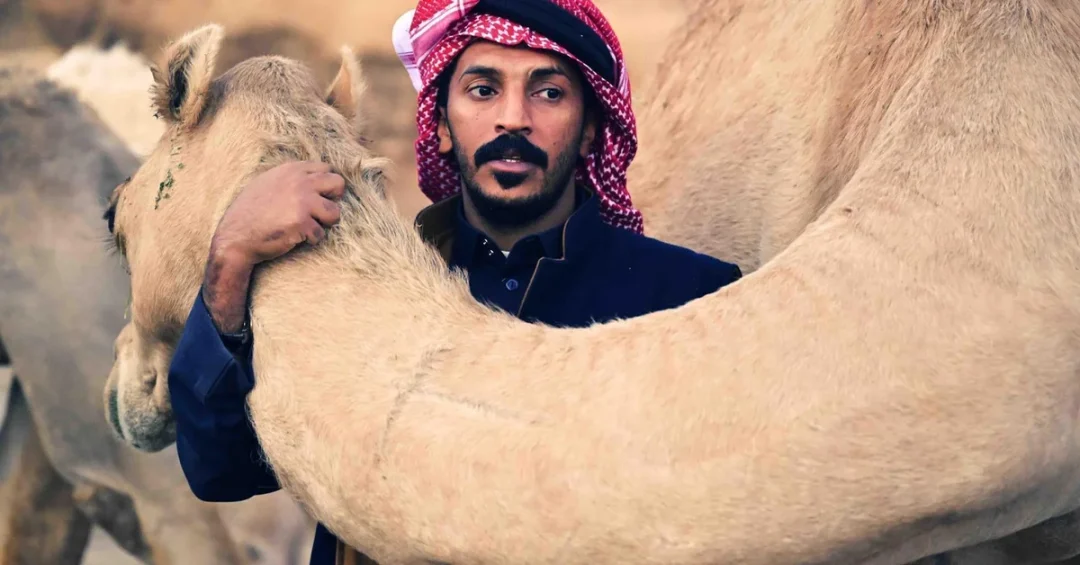
The deep and enduring bond between humans and camels in the Kingdom of Saudi Arabia is etched into the very landscape, with ancient rock carvings and archaeological discoveries spanning millennia serving as a powerful testament to this timeless relationship. According to the Saudi Press Agency (SPA), this profound connection is documented extensively throughout the region, particularly in the mountainous areas of AlUla, where intricate carvings depict the central role of camels in the lives of the Arabian Peninsula’s early inhabitants. These petroglyphs, many of which remain remarkably well-preserved despite their age, offer a vivid window into a shared history that has shaped the cultural identity of the Kingdom.
Context and Background
The relationship between camels and the people of the Arabian Peninsula is one of the oldest and most significant man-animal bonds in history. These animals were not merely a source of sustenance, providing meat, milk, and wool, but were also crucial for transportation and trade across the vast, harsh desert. Professor of ancient Arabic writings Dr. Suleiman Al-Dhaib has noted that camel carvings constitute the majority of rock art found on the Arabian Peninsula, underscoring the animal’s critical impact on everything from daily survival to cultural identity. The oldest known carving of a one-humped Arabian camel dates back to the Paleolithic period, further showcasing the antiquity of this relationship.
Key Details: Symbols of Heritage and Resilience
The rock carvings often include symbols and marks, frequently geometric in nature, which served as a form of branding to denote ownership by individuals, clans, or tribes. When located on rock faces, these markings could also indicate tribal ownership of grazing lands, a practice that highlights the organizational and social structures of ancient societies. Camels, as symbols of resilience and loyalty, were essential to life in the desert and played a critical role in the unification of the Kingdom under King Abdulaziz. A particularly swift and enduring she-camel named “Masiha” is legendary for its contributions to these historic campaigns, while the animals were also integral to the annual Hajj journeys. Mohammed Saleh bin Hamid, a camel owner in AlUla Governorate, stressed to SPA that camels are not possessions but vital components of Saudi heritage, connecting present-day Saudis to their ancestors. This enduring connection has also inspired generations of Saudi poets, who have celebrated the camel’s unique qualities and importance in verses that reveal an emotional bond transcending economic value.
Implications and Preserving a Living Legacy
The Kingdom of Saudi Arabia has taken active and comprehensive steps to preserve and celebrate this profound cultural heritage. The annual King Abdulaziz Camel Festival, now in its ninth edition, launched on December 1, 2024, in Al-Sayahid, is the world’s largest camel festival, bringing together enthusiasts from around the globe to highlight the animal’s historical significance. The Kingdom also supports specialized entities like the Camel Club, which organizes events, documents purebreds, and protects genetic diversity. The Ministry of Culture’s support for research, including a recently concluded “Camel Studies” grant program, further strengthens these preservation efforts. To affirm its commitment, the Kingdom designated 2024 as the “Year of the Camel,” an initiative aimed at elevating national heritage on both local and global stages. On the international stage, Saudi Arabia has taken a leading role, organizing a week-long exhibition in Geneva during its presidency of the International Year of Camelids, in partnership with the UN Food and Agriculture Organization, to highlight the global economic, social, and cultural contributions of camels.
20 Questions
Q1. What is the central theme of the rock carvings found in AlUla?
A1. The central theme is the deep, millennia-old bond between humans and camels, showcasing the animal’s vital role in the lives of the Arabian Peninsula’s early inhabitants.
Q2. Where are many of these ancient camel carvings located?
A2. Extensive collections of these carvings are found throughout the mountains of AlUla and other sites across the Kingdom, highlighting the camel’s widespread significance.
Q3. According to Dr. Suleiman Al-Dhaib, what type of rock art is most common on the Arabian Peninsula?
A3. Dr. Al-Dhaib notes that camel carvings constitute the majority of rock art on the Arabian Peninsula, reflecting the animal’s critical importance.
Q4. How old is the oldest known carving of a one-humped Arabian camel?
A4. The oldest known carving of a one-humped Arabian camel in the Arabian Peninsula dates back to the Paleolithic period.
Q5. What did the geometric symbols and marks accompanying the carvings often represent?
A5. These markings typically represented ownership by individuals, clans, or tribes, and could also indicate tribal ownership of grazing land when on rock faces.
Q6. What are the primary economic values of camels mentioned in the article?
A6. Camels have provided meat, milk, and wool, serving as essential resources for survival in the harsh desert environment.
Q7. Beyond economic value, what do camels symbolize according to the report?
A7. Camels are symbols of resilience and loyalty, and are considered essential to life in the harsh desert conditions of the Arabian Peninsula.
Q8. What role did camels play in the unification of the Kingdom?
A8. Camels played a critical role in the campaigns of King Abdulaziz during the unification of the Kingdom.
Q9. What is the name of the legendary she-camel known for its contributions to the unification campaigns?
A9. The legendary she-camel is named “Masiha,” known for being particularly swift and enduring.
Q10. How have camels inspired Saudi culture beyond practical use?
A10. Camels have inspired generations of Saudi poets, who have written verses celebrating their unique qualities and importance, revealing a deep emotional bond.
Q11. What is the King Abdulaziz Camel Festival?
A11. It is the world’s largest camel festival, with its ninth edition launched on December 1, 2024, in Al-Sayahid, celebrating the camel’s historical significance.
Q12. What is the purpose of the Camel Club in Saudi Arabia?
A12. The Camel Club organizes camel-related events, documents purebreds, protects genetic diversity, and raises awareness about the cultural value of camels.
Q13. How has the Ministry of Culture supported camel heritage?
A13. The Ministry of Culture supports research and studies related to camels, including a recently concluded “Camel Studies” grant program.
Q14. What did the Kingdom designate 2024 as?
A14. The Kingdom of Saudi Arabia designated 2024 as the “Year of the Camel” to affirm its commitment to preserving cultural heritage.
Q15. What was the goal of the “Year of the Camel” initiative?
A15. The initiative aimed to elevate national heritage, integrate it into local and global cultures, and ensure it is appreciated and preserved for future generations.
Q16. On the international stage, which year did Saudi Arabia preside over?
A16. The Kingdom presided over the International Year of Camelids this year.
Q17. With which organizations did Saudi Arabia partner for the international exhibition?
A17. The Kingdom partnered with the Permanent Mission of Bolivia, the UN Food and Agriculture Organization, and the UN Office in Geneva.
Q18. What was the focus of the week-long exhibition organized in Geneva?
A18. The exhibition highlighted the significant economic, social, cultural, and nutritional contributions of camels to global societies.
Q19. What does the practice of branding in rock carvings symbolize?
A19. Branding, created by cauterization or cutting, was a way to symbolize ownership of camels, a practice reflected in the art etched into the Kingdom’s mountains.
Q20. How does Mohammed Saleh bin Hamid describe the significance of camels?
A20. He stressed that camels are not merely possessions but vital components of Saudi heritage and culture, connecting present-day Saudis to their ancestors.
Vision 2030 Alignment
The Kingdom’s comprehensive efforts to preserve and promote camel heritage are deeply aligned with Saudi Vision 2030’s goals of celebrating national identity and cultural heritage. By positioning unique traditions like camel culture at the heart of its vibrant society, the Kingdom is not only safeguarding its history but also creating a distinctive cultural offering that supports tourism and global engagement. This commitment ensures that this enduring man-animal bond, etched in stone and sustained through modern initiatives, remains a cornerstone of the Kingdom’s legacy for generations to come, contributing directly to the vision of a thriving, forward-looking nation that honors its past.
Reader Feedback
We value your thoughts. Please share your feedback on this article.
Your feedback helps us improve our coverage.