


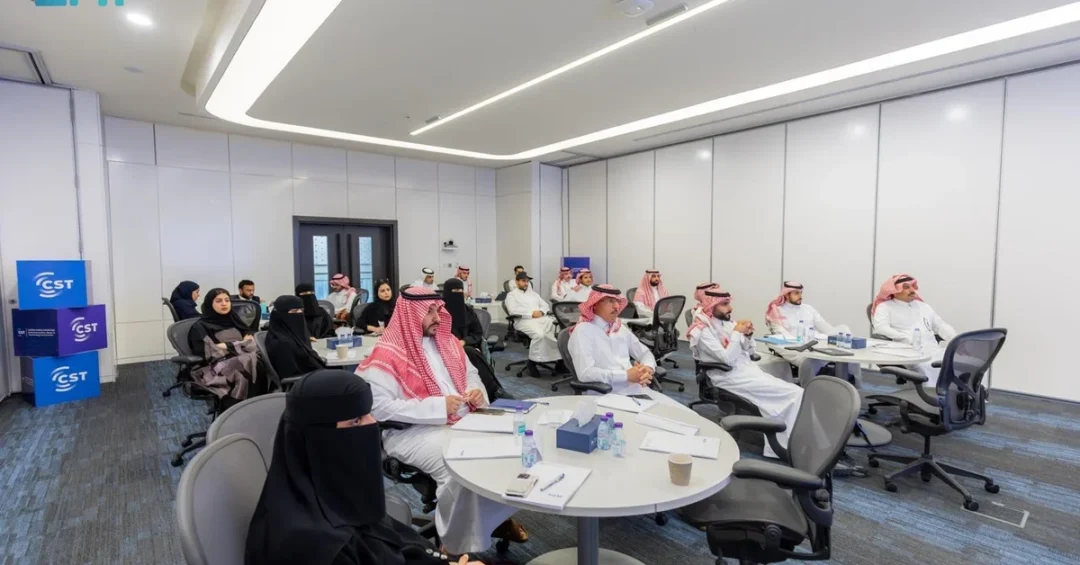
The Communications, Space and Technology Commission (CST) has successfully concluded the ‘Madarik’ program, a comprehensive training initiative that engaged over 1,000 participants to enhance their space-related knowledge and contribute to the growth of Saudi Arabia’s space sector. The program, which ran from May to September 2024, was held in partnership with leading international educational institutions, including the International Space University in France, the Georgia Institute of Technology, the Thunderbird School of Global Management, Saudi BAE Systems, and Al Yamamah University. Courses were conducted in person in Riyadh and Jeddah, providing intensive training across three specialized tracks.
Context and Background
The Madarik program underscores Saudi Arabia’s commitment to developing a robust national space ecosystem, a key pillar of the Kingdom’s Vision 2030. As the space sector becomes increasingly vital for economic diversification and technological innovation, CST has prioritized building a skilled workforce capable of driving space-related projects. The initiative specifically targeted recent graduates, professionals, and experienced specialists, reflecting a strategic effort to nurture talent from various career stages. This aligns with CST’s broader mandate to regulate the space sector, empower national talent, and foster interest in future space professions.
Key Details
Participants underwent intensive training over three months in three specialized tracks. The Space Business track developed participants’ understanding of space economics and equipped them with skills needed to contribute to the success of space projects. The Space Software and Data track familiarized participants with data and software sources essential for space-related tasks and satellite applications. The Space Engineering track enhanced capabilities in exploring space engineering specialties, including the design, maintenance, and control of spacecraft technologies. The program was delivered by a consortium of education partners, combining international expertise with local academic collaboration.
Implications and Impact
The successful conclusion of the Madarik program marks a significant step in building Saudi Arabia’s human capital in the space sector. By equipping over 1,000 individuals with advanced skills, the initiative helps ensure that the Kingdom’s space ambitions are supported by a knowledgeable workforce. This program also strengthens Saudi Arabia’s position as a regional hub for space education and innovation, attracting international partnerships and fostering cross-border knowledge exchange. The training in key areas like space business and engineering directly supports the development of commercial space ventures and satellite technology applications, which have wide-ranging benefits for telecommunications, environmental monitoring, and national security.
Vision 2030 Alignment
The Madarik program is a direct investment in the human capital development central to Vision 2030. By cultivating a pipeline of skilled space professionals, Saudi Arabia is laying the foundation for a sustainable and innovative space industry that will contribute to economic diversification and technological leadership. As the Kingdom continues to expand its space activities, including satellite launches and research initiatives, programs like Madarik ensure that Saudi talent is at the forefront of this transformative sector. This initiative exemplifies how education and strategic partnerships are driving the nation toward a future where space technology serves as a cornerstone of national progress and global engagement.
20 Questions
Q1. What is the Madarik program?
A1. The Madarik program is a training initiative concluded by the Communications, Space and Technology Commission (CST) to develop space-related knowledge and skills among over 1,000 participants in Saudi Arabia.
Q2. When did the Madarik program take place?
A2. The program took place over three months, beginning in May 2024 and concluding in September 2024, with in-person courses held in Riyadh and Jeddah.
Q3. How many participants were in the Madarik program?
A3. The program engaged 1,000 participants, including recent graduates, professionals, and experienced specialists, to enhance their expertise in the space sector.
Q4. Which organization led the Madarik program?
A4. The Communications, Space and Technology Commission (CST) led the Madarik program as part of its role in regulating Saudi Arabia’s space sector and empowering national talent.
Q5. What were the three specialized tracks in the Madarik program?
A5. The three tracks were Space Business, Space Software and Data, and Space Engineering, each designed to build specific skills relevant to the space industry.
Q6. Who were the education partners for the Madarik program?
A6. Education partners included the International Space University in France, the Georgia Institute of Technology, the Thunderbird School of Global Management, Saudi BAE Systems, and Al Yamamah University.
Q7. What did the Space Business track cover?
A7. The Space Business track developed participants’ understanding of space economics and equipped them with skills to contribute to the success of space projects.
Q8. What did the Space Software and Data track cover?
A8. The track familiarized participants with data and software sources essential for space-related tasks and satellite applications, enhancing their technical capabilities.
Q9. What did the Space Engineering track cover?
A9. The Space Engineering track enhanced participants’ capabilities in spacecraft design, maintenance, and control, preparing them for engineering roles in the space sector.
Q10. Why is the Madarik program important for Saudi Arabia?
A10. The program is vital for building a skilled workforce to support Saudi Arabia’s space sector growth, aligning with the Kingdom’s Vision 2030 goals for economic diversification and innovation.
Q11. How does Madarik support Vision 2030?
A11. Madarik supports Vision 2030 by developing human capital in the space industry, fostering innovation, and contributing to the Kingdom’s transformation into a knowledge-based economy.
Q12. Who was the target audience for the Madarik program?
A12. The program targeted recent graduates, professionals, and experienced specialists interested in pursuing careers or advancing their knowledge in the space sector.
Q13. Where were the Madarik courses held?
A13. The courses were conducted in person in Riyadh and Jeddah, two major cities in Saudi Arabia, allowing participants from different regions to attend.
Q14. What role does CST play in the Saudi space sector?
A14. CST regulates the space sector, empowers national talent, and fosters interest in future space professions, ensuring the sector’s sustainable development in line with Vision 2030.
Q15. How does the Madarik program benefit participants?
A15. Participants gain specialized knowledge in space science, business, and engineering, enhancing their career prospects and ability to contribute to Saudi Arabia’s space ambitions.
Q16. What international institutions partnered in Madarik?
A16. International partners included the International Space University in France, the Georgia Institute of Technology, and the Thunderbird School of Global Management, bringing global expertise.
Q17. What local partners were involved in Madarik?
A17. Local partners included Saudi BAE Systems and Al Yamamah University, providing regional expertise and support for the program’s delivery.
A18. The program is expected to create a skilled talent pool, attract investments, and boost innovation in the space sector, supporting Saudi Arabia’s long-term space goals.
Q19. How does Madarik contribute to the space ecosystem?
A19. By training over 1,000 individuals, Madarik strengthens the talent pipeline, enabling more advanced research, development, and commercial activities in the space industry.
Q20. What is the future outlook for Saudi Arabia’s space sector?
A20. With initiatives like Madarik, Saudi Arabia is poised to become a regional leader in space technology, driving economic growth and technological advancement under Vision 2030.
Reader Feedback
We value your thoughts. Please share your feedback on this article.
Your feedback helps us improve our coverage.