


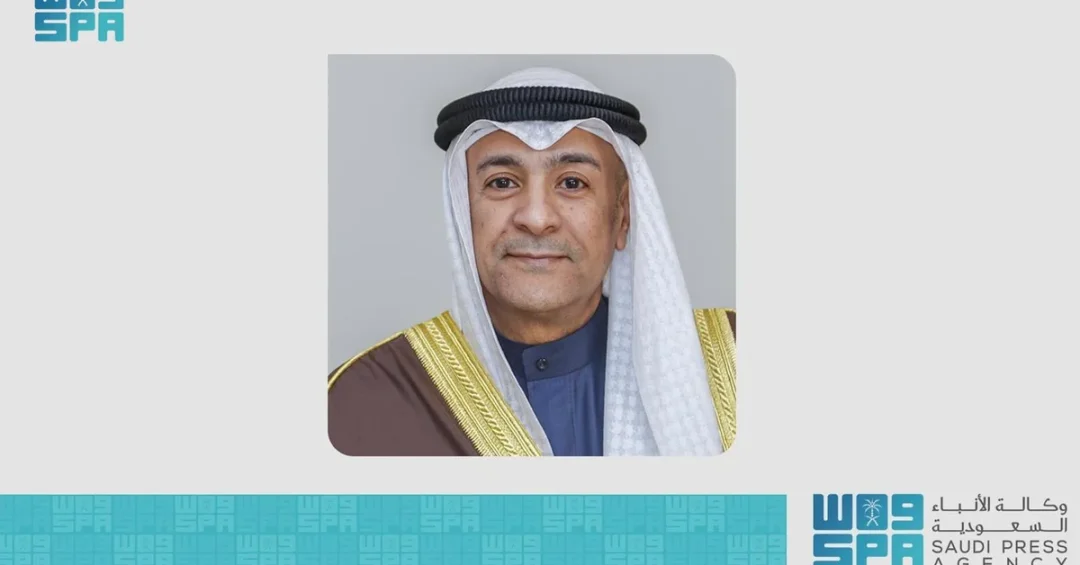
The Gulf Cooperation Council (GCC) Secretary-General, Jasem Mohamed Albudaiwi, has affirmed that the outcomes and recommendations of the latest meeting of the Committee of Governors of Central Banks will significantly enhance financial and economic integration among GCC member states. His remarks were delivered during the 83rd meeting of the committee, held in Doha, Qatar, underscoring the collective commitment to deepening monetary cooperation across the region.
Context and Background
The 83rd meeting of the Committee of Governors of Central Banks of the GCC countries took place in Doha on September 12, 2024, chaired by the Governor of the Central Bank of Qatar and current session chairman, Shaikh Bandar bin Mohammed bin Saoud Al Thani. The gathering brought together central bank governors from all GCC member states to deliberate on key monetary policies and frameworks. Secretary-General Albudaiwi expressed profound gratitude to the Amir of the State of Qatar, Sheikh Tamim bin Hamad Al Thani, for Qatar’s sincere efforts and diligent work in strengthening the unity of the GCC, highlighting the importance of collaborative leadership in advancing regional integration.
Key Details
During the meeting, Secretary-General Albudaiwi praised the committee’s valuable contributions to enhancing cooperation and economic integration, particularly in the monetary and banking sectors. He cited notable achievements, including the adoption of guiding standards in banking and financial supervision, enhanced coordination in combating money laundering and terrorist financing, and the facilitation of financial transactions among GCC countries through advanced technological systems. According to the Saudi Press Agency, these measures are designed to streamline cross-border financial operations and strengthen the resilience of the region’s banking infrastructure.
Implications and International Impact
The decisions and recommendations emerging from this meeting are expected to promote economic convergence among GCC countries in all monetary matters, fostering a more unified financial landscape. By aligning regulatory frameworks and leveraging technology, the GCC is positioning itself as a more cohesive economic bloc capable of attracting international investment and enhancing trade flows. The integration of banking standards and anti-financial crime protocols also bolsters the region’s reputation as a secure and transparent financial hub, which is critical for global partners seeking stable economic engagements in the Middle East.
Vision 2030 Alignment
This advancement in monetary and banking cooperation directly supports the Kingdom of Saudi Arabia’s Vision 2030 goals of economic diversification and regional leadership. By strengthening the GCC’s financial integration, Saudi Arabia and its partner states are laying the groundwork for a more interconnected and prosperous regional economy. The continued collaboration among central banks not only enhances financial stability but also paves the way for further joint initiatives that align with the long-term strategic objectives of the GCC, driving forward a shared vision of sustainable growth and global economic influence.
20 Questions
Q1. What was the main outcome of the 83rd meeting of the GCC Central Bank Governors?
A1. The meeting produced recommendations aimed at enhancing financial and economic integration among GCC countries, particularly in monetary and banking cooperation.
Q2. Who chaired the 83rd meeting of the Committee of Governors of Central Banks?
A2. The meeting was chaired by Shaikh Bandar bin Mohammed bin Saoud Al Thani, Governor of the Central Bank of Qatar and current session chairman.
Q3. Where and when was the meeting held?
A3. The meeting took place in Doha, Qatar, on September 12, 2024.
Q4. What role did GCC Secretary-General Jasem Mohamed Albudaiwi play at the meeting?
A4. Secretary-General Albudaiwi delivered an address praising the committee’s efforts and highlighting the importance of its outcomes for regional integration.
Q5. Which country’s leadership was thanked by Secretary-General Albudaiwi?
A5. He thanked the Amir of Qatar, Sheikh Tamim bin Hamad Al Thani, for Qatar’s efforts to strengthen GCC unity.
Q6. What specific achievements in banking were cited during the meeting?
A6. Achievements include the adoption of guiding standards in banking supervision, coordination against money laundering, and facilitation of financial transactions via advanced technology.
Q7. How does this meeting contribute to economic integration?
A7. The recommendations promote economic convergence in monetary matters, helping align policies and financial systems across GCC countries.
Q8. What is the significance of central bank cooperation for the GCC?
A8. It strengthens financial stability, enhances regulatory harmony, and supports cross-border trade and investment within the region.
Q9. Which official source reported on this meeting?
A9. The Saudi Press Agency (SPA) reported on the meeting and Secretary-General Albudaiwi’s remarks.
Q10. How many meetings of the Committee of Governors of Central Banks have been held?
A10. This was the 83rd meeting of the committee, indicating a long-standing tradition of regular monetary policy dialogue.
Q11. What is the role of the Committee of Governors of Central Banks?
A11. The committee coordinates monetary and banking policies among GCC states to foster economic integration and financial stability.
Q12. Does this meeting affect relations with non-GCC countries?
A12. Yes, enhanced integration makes the GCC a more attractive and reliable partner for international investors and global financial institutions.
Q13. What advanced technological systems were mentioned?
A13. The meeting cited systems that facilitate financial transactions among GCC countries, improving efficiency and security in cross-border payments.
Q14. How does this align with Saudi Vision 2030?
A14. It supports Vision 2030 goals of economic diversification and regional leadership by strengthening the GCC’s financial infrastructure and cooperation.
Q15. What is the expected impact on money laundering efforts?
A15. Coordination in combating money laundering and terrorist financing will be enhanced, improving the region’s financial security framework.
Q16. Who participated in the meeting besides the chair?
A16. The meeting included the participation of central bank governors from all GCC member states.
Q17. Why is Qatar’s role in this meeting important?
A17. As the current session chairman, Qatar hosted the meeting, demonstrating its commitment to GCC unity and economic collaboration.
Q18. What is the long-term goal of these monetary policies?
A18. The long-term goal is to achieve deeper economic convergence and potentially a unified monetary system among GCC countries.
Q19. How frequently do these meetings occur?
A19. The committee meets regularly, as evidenced by the 83rd meeting, to address ongoing and emerging monetary issues.
Q20. What message does this meeting send internationally?
A20. It signals the GCC’s dedication to financial modernization, regulatory excellence, and collective economic progress on the global stage.
Reader Feedback
We value your thoughts. Please share your feedback on this article.
Your feedback helps us improve our coverage.