


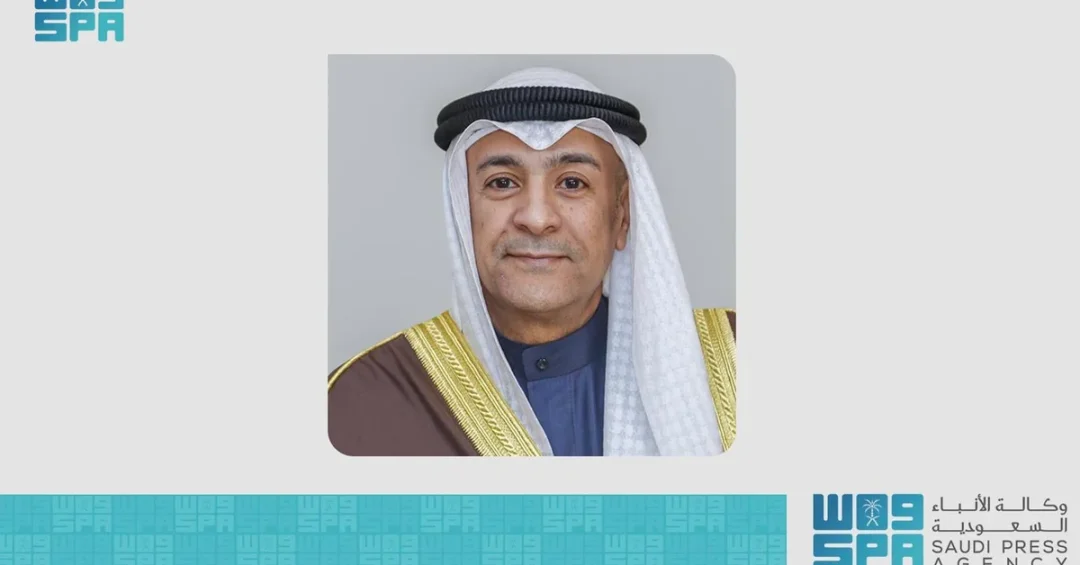
The Gulf Cooperation Council (GCC) member states are actively pursuing economic diversification through well-studied plans and clear national visions, according to GCC Secretary General Jasem Albudaiwi. Speaking at a panel discussion organized by the GCC General Secretariat on the sidelines of the World Governments Summit 2025 in Dubai, Albudaiwi outlined how the six member nations are adapting to global economic shifts while maintaining their positions as leading investment destinations.
Context and Background
The GCC, comprising Saudi Arabia, the United Arab Emirates, Qatar, Kuwait, Oman, and Bahrain, has long recognized the need to reduce dependence on hydrocarbon revenues. Each member state has developed a national transformation plan—such as Saudi Vision 2030—to build sustainable, knowledge-based economies. The panel discussion, titled “Structural developments, economic diversity, and their impact on sustainability in light of the national visions of member states,” highlighted progress and future priorities for regional economic integration.
Key Details
Albudaiwi highlighted the GCC’s robust financial markets, whose combined market capitalization reached $4.4 trillion in 2023, ranking seventh globally. He noted that the bloc’s total foreign direct investment (FDI) stood at $649 billion by end of 2022, a 6.4% increase from 2021. This FDI represents about 38.6% of the GCC’s GDP, surpassing the G20 average of 32.9%. The Secretary General attributed this success to strategic location, political stability, strong economies, and ongoing efforts to improve the investment climate through regulatory harmonization and business-friendly policies.
Implications and Impact
The GCC’s economic diversification has significant regional and global implications. Major joint projects, such as the electricity interconnection network and the Gulf Railway, are expected to enhance energy security, boost trade, and deepen economic integration. These initiatives also position the GCC as a stable, attractive hub for international investors seeking exposure to high-growth emerging markets. Albudaiwi emphasized that continued policy coordination among member states will further strengthen the bloc’s global competitiveness.
Vision 2030 Alignment
The GCC’s diversification drive aligns closely with Saudi Vision 2030, which seeks to transform the Kingdom into a global investment powerhouse and trade link connecting three continents. As Saudi Arabia leads by example with its ambitious reforms, the GCC collective strategy reinforces the region’s commitment to sustainable development, innovation, and economic resilience—ensuring long-term prosperity for future generations.
20 Questions
Q1. What is the main goal of GCC economic diversification?
A1. The main goal is to reduce dependence on oil and gas revenues by building sustainable, knowledge-based economies through well-studied plans and clear national visions.
Q2. Who is Jasem Albudaiwi?
A2. Jasem Albudaiwi is the Secretary General of the Gulf Cooperation Council (GCC), responsible for overseeing the bloc’s strategic initiatives and promoting regional integration.
Q3. Where did Albudaiwi make these remarks?
A3. He spoke at a panel discussion organized by the GCC General Secretariat on the sidelines of the World Governments Summit 2025, held in Dubai, United Arab Emirates.
Q4. What was the title of the panel discussion?
A4. The panel was titled “Structural developments, economic diversity, and their impact on sustainability in light of the national visions of member states.”
Q5. How large was the GCC market capitalization in 2023?
A5. The combined market capitalization of GCC stock exchanges was approximately $4.4 trillion in 2023, ranking seventh globally.
Q6. What was the total FDI in GCC countries by end of 2022?
A6. Total foreign direct investment (FDI) reached $649 billion by the end of 2022, an increase of 6.4% compared to 2021.
Q7. How does FDI compare to GDP in the GCC?
A7. FDI represents about 38.6% of the GCC’s GDP, which is higher than the G20 average of 32.9%.
Q8. What factors make GCC countries attractive to foreign investors?
A8. Key factors include strategic geographic location, political stability, strong economies, advanced financial markets, and a pro-business regulatory environment.
Q9. What is the Gulf Railway project?
A9. The Gulf Railway is a planned rail network connecting all six GCC member states, aimed at enhancing trade, travel, and economic integration.
Q10. How does the electricity interconnection project support the GCC?
A10. It is a strategic project that enhances energy security by allowing member states to share electricity, improving grid stability and efficiency.
Q11. What is Saudi Vision 2030?
A11. Saudi Vision 2030 is a comprehensive economic reform plan launched by Saudi Arabia to diversify its economy, reduce oil dependence, and develop public service sectors.
Q12. How does Saudi Vision 2030 relate to GCC diversification?
A12. Saudi Vision 2030 serves as a model for economic transformation within the GCC, inspiring similar national visions across the bloc to achieve collective diversification.
Q13. What is the World Governments Summit?
A13. The World Governments Summit is an annual global event held in Dubai that brings together leaders and experts to discuss innovation, governance, and sustainable development.
Q14. Why is political stability important for investment?
A14. Political stability reduces risk for investors, ensuring a predictable environment for long-term capital deployment and business operations.
Q15. What are common policies GCC countries use to attract FDI?
A15. They offer incentives such as tax exemptions, streamlined regulations, free zones, and initiatives to unify laws across member states.
Q16. How many GCC member states are there?
A16. There are six member states: Saudi Arabia, United Arab Emirates, Qatar, Kuwait, Oman, and Bahrain.
Q17. What does economic integration mean for the GCC?
A17. Economic integration involves coordinating policies, removing trade barriers, and developing joint projects to create a seamless regional market.
Q18. What was the FDI growth rate from 2021 to 2022 in the GCC?
A18. Foreign direct investment increased by 6.4% from 2021 to 2022, reaching $649 billion.
Q19. How do national visions align with GCC goals?
A19. Each member state’s national vision (e.g., Saudi Vision 2030, UAE Vision 2021) supports common GCC objectives of diversification, innovation, and sustainable growth.
Q20. What is the long-term outlook for GCC economies?
A20. The outlook is positive, driven by diversification efforts, strategic projects, and a commitment to attracting global investment, ensuring resilience beyond hydrocarbons.
Reader Feedback
We value your thoughts. Please share your feedback on this article.
Your feedback helps us improve our coverage.