


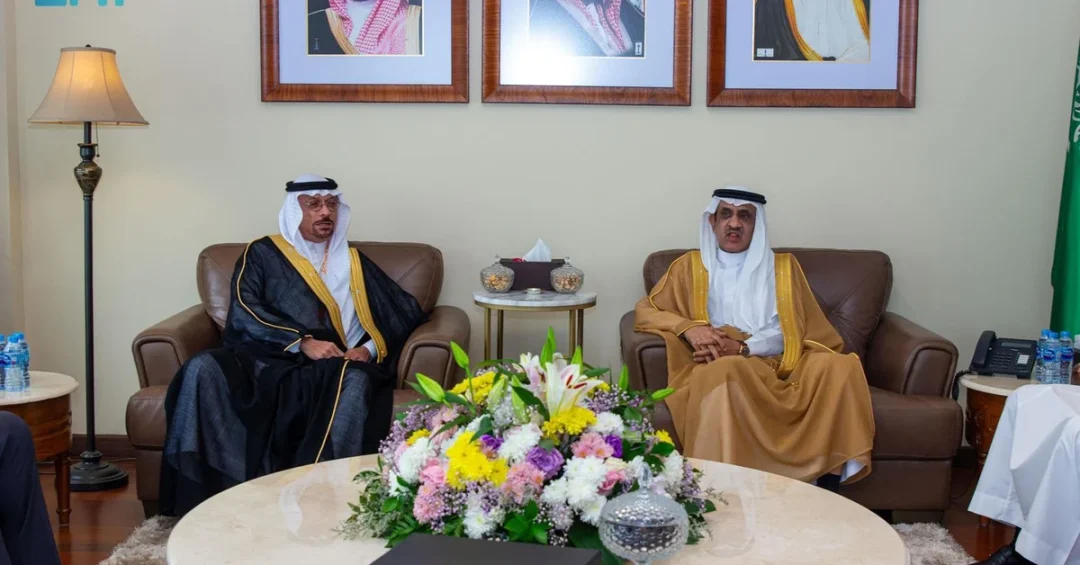
The first round of negotiations for a free trade agreement (FTA) between the Gulf Cooperation Council (GCC) and Indonesia concluded successfully in Jakarta on September 13, 2024, marking a significant step toward strengthening economic ties between the Gulf region and Southeast Asia’s largest economy. The talks, held from September 9 to 13, were led by the Kingdom of Saudi Arabia, represented by the General Authority of Foreign Trade alongside 11 other government agencies, underscoring the Kingdom’s commitment to expanding its global trade partnerships.
Context and Background
The negotiations come at a time when both the GCC and Indonesia are seeking to diversify their economies and deepen trade relations. For Saudi Arabia, the talks align with Vision 2030 goals of reducing oil dependence and boosting non-oil exports. Indonesia, as a member of the G20 and ASEAN, represents a critical market for Gulf goods and services. The potential FTA aims to eliminate barriers, enhance investment flows, and create a framework for long-term economic cooperation between regions that already enjoy strong diplomatic ties.
Key Details of the Negotiations
The discussions covered a comprehensive range of topics essential for a modern trade agreement, including trade in goods and services, investment, customs procedures, rules of origin, technical barriers to trade, sanitary and phytosanitary measures, trade facilitation, digital trade, and trade remedies. According to official sources, the goal is to establish clear principles for negotiations and finalize the agreement within 24 months. Farid bin Saeed Al-Asali, Deputy Governor of the General Authority of Foreign Trade for International Organizations and Agreements and Head of the Saudi negotiating team, expressed optimism about the progress, emphasizing that the joint commitment reflects a shared determination to build a robust strategic partnership.
Implications and Impact
The successful conclusion of the first round signals a strong foundation for future talks. For Saudi Arabia, the FTA would open new avenues for exports in sectors such as petrochemicals, dates, pharmaceuticals, and technology. For Indonesia, it provides access to Gulf capital and markets, potentially boosting its halal industry and infrastructure projects. The agreement is expected to enhance cooperation in energy, agriculture, and digital trade, benefiting both regions economically. As the Gulf region diversifies its trade partners, this FTA could serve as a model for similar agreements with other ASEAN nations, amplifying Saudi Arabia’s role as a global trade hub.
Vision 2030 Alignment
The negotiations directly support Saudi Arabia’s Vision 2030 objectives of increasing the Kingdom’s international trade, attracting foreign investment, and strengthening its position as a gateway between East and West. By leading these talks, the General Authority of Foreign Trade is advancing the ambitions of the nation to integrate more deeply into the global economy, achieve sustainable development, and secure prosperous opportunities for its citizens. This strategic agreement, once finalized, will contribute to the realization of a thriving, diversified economy—a cornerstone of the Kingdom’s long-term vision.
20 Questions
Q1. What is the GCC-Indonesia Free Trade Agreement?
A1. It is a proposed trade deal aimed at reducing tariffs and barriers, promoting investment, and enhancing economic cooperation between the Gulf Cooperation Council countries and Indonesia.
Q2. When and where did the first round of negotiations take place?
A2. The first round was held from September 9 to 13, 2024, in Jakarta, the capital of Indonesia.
Q3. Which Saudi agency led the Kingdom’s delegation?
A3. The General Authority of Foreign Trade led the Saudi delegation, with representatives from 11 other government agencies.
Q4. Who was the head of the Saudi negotiating team?
A4. Farid bin Saeed Al-Asali, Deputy Governor of the General Authority of Foreign Trade for International Organizations and Agreements, led the team.
Q5. What was the main goal of the first round?
A5. To set principles for negotiations, create a framework for future rounds, and establish desired objectives for the agreement.
Q6. How long is the expected timeline to conclude the agreement?
A6. The parties aim to finalize the FTA within 24 months from the start of negotiations.
Q7. What topics were covered in the negotiations?
A7. Topics included trade in goods and services, investment, customs procedures, rules of origin, digital trade, and trade remedies, among others.
Q8. Why is this FTA important for Saudi Arabia?
A8. It supports Vision 2030 by boosting non-oil exports, diversifying the economy, and strengthening Saudi Arabia’s global trade connections.
Q9. How does Indonesia benefit from this agreement?
A9. Indonesia gains better access to Gulf markets, investment capital, and opportunities to expand its halal industry and infrastructure projects.
Q10. What role does the General Authority of Foreign Trade play?
A10. It enhances Saudi Arabia’s international trade presence and participates effectively in global organizations to achieve sustainable development.
Q11. Which other Saudi agencies were involved?
A11. Ministries of commerce, energy, investment, environment, industry, and economy, along with the Food and Drug Authority, Customs, and the Central Bank.
Q12. What is the significance of digital trade in the talks?
A12. Digital trade provisions aim to facilitate e-commerce and data flows, modernizing trade between the regions.
Q13. How does this FTA align with Vision 2030?
A13. It helps achieve economic diversification, increase exports, and attract foreign investment, core pillars of Vision 2030.
Q14. What is the expected economic impact on the GCC?
A14. The FTA is expected to open new export markets, boost trade volumes, and create investment opportunities for GCC countries.
Q15. Are other ASEAN nations involved in similar talks?
A15. Currently, the focus is on Indonesia, but success could lead to similar agreements with other ASEAN member states.
Q16. What is the current trade volume between GCC and Indonesia?
A16. Official figures are yet to be released, but trade includes energy exports from the Gulf and agricultural and manufactured goods from Indonesia.
Q17. How will customs procedures be affected?
A17. The agreement aims to simplify customs processes, reducing delays and costs for traders and importers.
Q18. What are sanitary and phytosanitary measures?
A18. These are standards for food safety and plant health, ensuring products meet safety regulations for trade.
Q19. Was there an official statement at the end of the round?
A19. Yes, the Saudi Press Agency reported the conclusion, noting optimism from officials on both sides for future progress.
Q20. What is the next step after this round?
A20. The parties will prepare for subsequent negotiation rounds, building on the principles established in Jakarta to finalize the FTA details.
Reader Feedback
We value your thoughts. Please share your feedback on this article.
Your feedback helps us improve our coverage.