


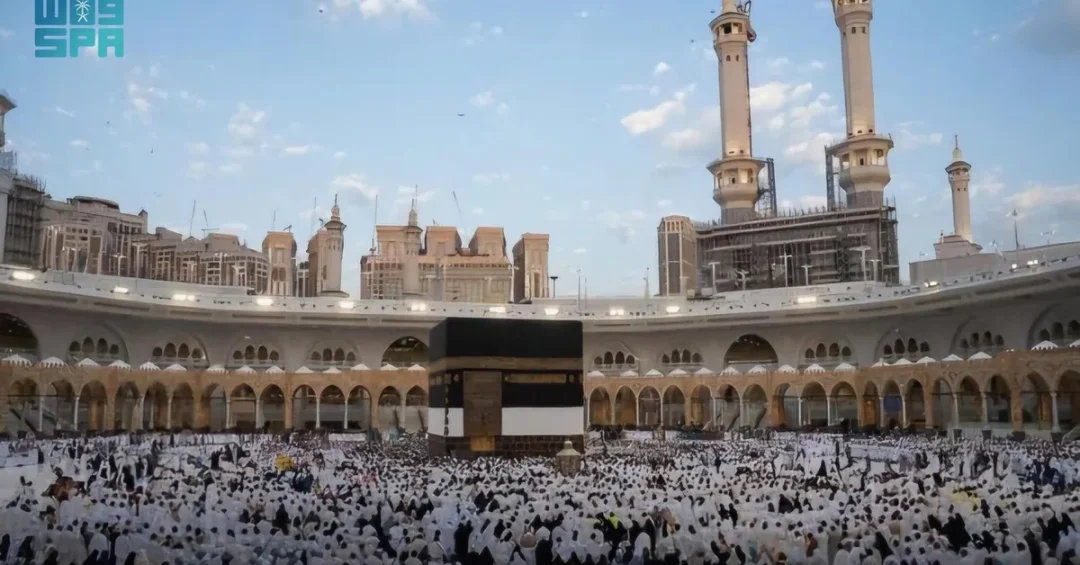
Tens of thousands of worshippers gathered at the Grand Mosque in Makkah on Sunday morning to perform the Eid Al-Adha prayer, marking the start of one of Islam’s most significant celebrations. The event, held under the auspices of the Kingdom of Saudi Arabia, saw an enormous turnout of pilgrims and residents, reflecting the ongoing commitment of Saudi authorities to facilitate safe and spiritually enriching religious experiences. The General Presidency for the Affairs of the Grand Mosque and the Prophet’s Mosque confirmed that all preparations were completed to ensure a smooth and organized prayer service, aligning with operational plans overseen by the Ministry of Hajj and Umrah.
Context and Background
Eid Al-Adha, known as the Festival of Sacrifice, coincides with the final days of the Hajj pilgrimage, when millions of Muslims from around the world journey to the holy sites in and around Makkah. This year’s gathering comes after years of strategic expansions and modernizations at the Grand Mosque, including the King Abdullah Expansion and the latest projects under the Custodian of the Two Holy Mosques, King Salman bin Abdulaziz Al Saud. The Saudi government has consistently prioritized improving infrastructure and crowd management systems to enhance the experience for worshippers, particularly during high-traffic periods such as Hajj and Eid.
Key Details
The Eid prayer at the Grand Mosque was led by a senior imam, with worshippers filling the mosque’s vast courtyards and surrounding areas. Authorities deployed thousands of personnel from the General Presidency, civil defense, and security forces to manage the crowds and provide guidance. The General Presidency also announced the activation of new smart technologies, including real-time crowd monitoring and digital service platforms, to assist worshippers. These efforts are part of a broader initiative under Vision 2030 to digitize and streamline services for pilgrims, ensuring that the holy sites remain accessible and secure for the growing number of visitors expected in the coming years.
Implications and Impact
The successful organization of the Eid Al-Adha prayer at the Grand Mosque underscores Saudi Arabia’s central role in the Muslim world and its capability to manage mass gatherings on a global scale. This event serves as a testament to the Kingdom’s logistical expertise, which has been honed through decades of hosting millions of pilgrims annually. The smooth conduct of the prayer also bolsters international confidence in Saudi Arabia’s ability to host major religious events while maintaining security and public health standards. For regional neighbors and global partners, the Kingdom’s handling of such events reinforces its leadership in cultural and interfaith dialogue, particularly as the Middle East focuses on economic and social development.
Vision 2030 Alignment
The gathering for Eid Al-Adha directly supports the goals of Vision 2030, which aims to elevate the quality of services available to pilgrims and visitors to the holy sites. This includes boosting capacity through the Pilgrim Experience Program, one of the Vision’s key realization programs. By enhancing infrastructure, deploying advanced technologies, and training human resources, the Kingdom is working to enable more Muslims from around the world to perform their religious duties in comfort and peace. This effort not only deepens Saudi Arabia’s role as the spiritual home of Islam but also contributes to global outreach and cultural exchange, positioning the nation as a model for hospitality and modern governance in the 21st century.
Reader Feedback
We value your thoughts. Please share your feedback on this article.
Feedback submitted successfully. Thank you.
(function(){var articleRef=window.location.pathname||window.location.href;var b=document.getElementById(‘fb-submit’);if(!b)return;b.addEventListener(‘click’,function(){var n=document.getElementById(‘fb-name’).value.trim();var m=document.getElementById(‘fb-message’).value.trim();var ok=document.getElementById(‘fb-success’);var er=document.getElementById(‘fb-error’);ok.style.display=’none’;er.style.display=’none’;if(!n||!m){er.textContent=’Name and message are required.’;er.style.display=’block’;return;}b.disabled=true;fetch(‘/api/feedback’,{method:’POST’,headers:{‘Content-Type’:’application/json’},body:JSON.stringify({name:n,message:m,article_reference:articleRef})}).then(function(r){if(!r.ok)throw new Error(‘submit failed’);return r.json();}).then(function(){ok.style.display=’block’;document.getElementById(‘fb-message’).value=”;}).catch(function(){er.textContent=’Error submitting feedback. Please try again.’;er.style.display=’block’;}).finally(function(){b.disabled=false;});});})();