
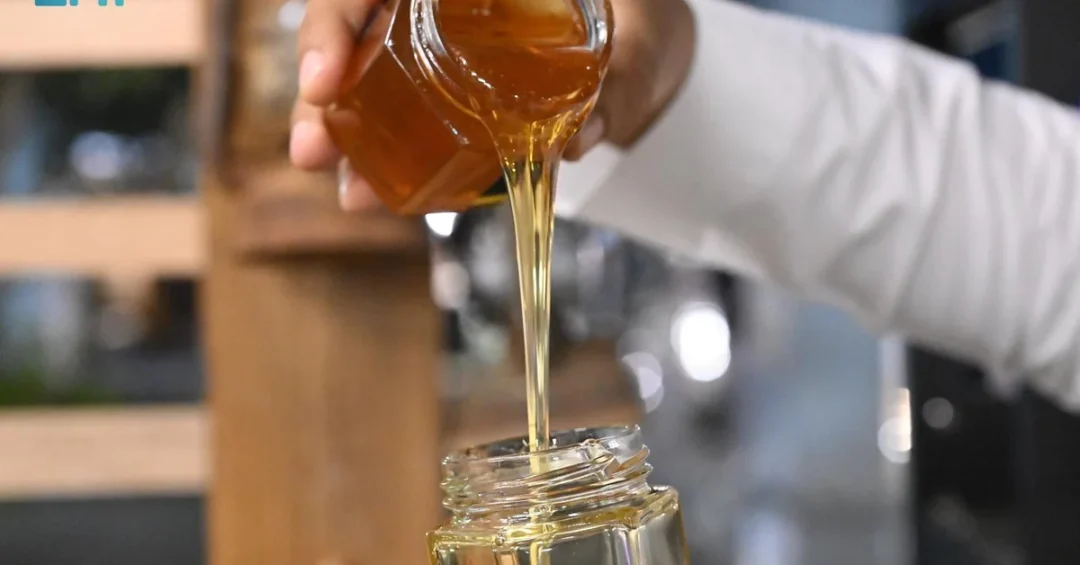
The Jazan Honey Exhibition, a key component of the region’s annual festival, successfully concluded after 16 days, attracting over 40,000 visitors and generating more than SAR2 million in revenue from the sale of six tons of honey, according to official reports from the Saudi Press Agency. The event, which featured 60 local beekeepers presenting 15 distinct varieties of high-quality honey, served as a significant platform for promoting the region’s apiculture sector. Executive Director Sulaiman Al-Ghazwani confirmed that the exhibition successfully met its objectives of building consumer trust and expanding market access for local producers, aligning with broader national economic goals.
Context and Background
The Jazan Honey Exhibition is a flagship event within the region’s cultural and economic calendar, designed to showcase the unique agricultural and natural resources of southwestern Saudi Arabia. Jazan is renowned for its diverse flora, which provides an ideal environment for beekeeping and the production of distinct, high-quality honey varieties. The exhibition forms part of a series of initiatives by regional authorities to develop local industries, support rural communities, and promote sustainable economic practices. By integrating training, commerce, and entertainment, the event reflects a modern approach to celebrating traditional sectors while driving their commercial growth and professionalization.
Key Details and Event Highlights
Official information from the Saudi Press Agency detailed that the 16-day exhibition featured direct participation from 60 beekeepers who showcased 15 different types of local honey. The event’s commercial success was marked by the sale of six tons of honey, translating to over SAR2 million in revenue. Beyond the marketplace, the program included specialized training seminars aimed at enhancing the skills of local producers in areas such as quality control, packaging, and marketing. The family-friendly atmosphere was bolstered by various entertainment activities, making the exhibition a comprehensive community event that blended economic development with cultural celebration.
Implications and Sectoral Impact
The strong turnout of 40,000 visitors indicates growing public and consumer interest in locally sourced, high-quality agricultural products from Saudi Arabia. The revenue generated directly benefits local beekeepers and their communities, reinforcing the economic viability of the apiculture sector. The training component is crucial for building a more skilled and competitive workforce capable of meeting both domestic demand and potential export opportunities. Furthermore, by highlighting Jazan’s natural resources and vegetation, the exhibition strengthens the region’s profile as a destination for sustainable tourism and agri-tourism, attracting visitors interested in its unique ecological and productive landscapes.
Vision 2030 Alignment
The success of the Jazan Honey Exhibition directly supports the strategic objectives of Saudi Vision 2030, the Kingdom’s comprehensive blueprint for economic diversification and sustainable development. By empowering local beekeepers, generating substantial revenue, and providing professional training, the event advances goals related to supporting small and medium-sized enterprises (SMEs), enhancing non-oil economic sectors, and promoting rural development. It also aligns with Vision 2030’s quality of life program by creating engaging cultural and entertainment events for families. This initiative exemplifies how Saudi Arabia is leveraging its unique regional assets and traditional industries to build a more resilient, diversified, and prosperous economy for the future, while sharing its rich cultural and natural heritage with a wider audience.
20 Questions and Answers
Q1: What was the name of the event covered in the article?
A1: The event was the Jazan Honey Exhibition. It was a central part of the region’s annual festival, focusing on promoting local honey and beekeeping.
Q2: How many days did the Jazan Honey Exhibition last?
A2: The exhibition ran for 16 days. It was a sustained event that allowed significant visitor engagement and commercial activity.
Q3: How many visitors attended the exhibition?
A3: Over 40,000 visitors attended the Jazan Honey Exhibition. This high attendance demonstrates strong public interest in the event and its offerings.
Q4: What was the total revenue generated by the exhibition?
A4: The exhibition generated more than SAR2 million in revenue. This income came primarily from the direct sale of honey to visitors.
Q5: How much honey was sold during the event?
A5: Six tons of honey were sold during the 16-day exhibition. This substantial volume indicates robust consumer demand for the local product.
Q6: How many local beekeepers participated in the exhibition?
A6: There were 60 local beekeepers who participated. They were the primary exhibitors and vendors at the event.
Q7: How many varieties of honey were showcased?
A7: The beekeepers showcased 15 high-quality local varieties of honey. This diversity highlighted the region’s rich apicultural output.
Q8: Who was the Executive Director quoted in the report?
A8: The Executive Director was Sulaiman Al-Ghazwani. He provided official commentary on the exhibition’s outcomes and goals.
Q9: What were the two main goals of the exhibition as stated by the Executive Director?
A9: The stated goals were building consumer trust in local honey and expanding marketing opportunities for the sector. These aims focus on long-term sector growth.
Q10: What additional activities beyond sales were part of the exhibition?
A10: The event included training seminars for producers and family-friendly entertainment. This made it a multifaceted community and educational event.
Q11: Which Saudi national plan was the exhibition aligned with?
A11: The exhibition’s goals were aligned with Saudi Vision 2030. This is the Kingdom’s strategic framework for economic and social transformation.
Q12: What region of Saudi Arabia hosted this exhibition?
A12: The exhibition was hosted in the Jazan region. This area in southwestern Saudi Arabia is known for its apiculture.
Q13: What natural aspect of Jazan did the festival showcase?
A13: The festival showcased the region’s natural resources and vegetation. This environment supports the diverse flora needed for beekeeping.
Q14: What status does the event reinforce for Jazan?
A14: It reinforces Jazan’s status as a premier destination for sustainable apiculture and tourism. The event promotes both the industry and the region itself.
Q15: What was the source of the official information for this article?
A15: The information was sourced from the Saudi Press Agency (SPA). SPA is the official state news service of the Kingdom of Saudi Arabia.
Q16: What type of economic development does this event support?
A16: It supports the development of the non-oil economy and rural communities. By focusing on honey, it diversifies income sources away from hydrocarbons.
Q17: What program under Vision 2030 does the family entertainment aspect align with?
A17: The family-friendly activities align with Vision 2030’s Quality of Life Program. This program aims to enhance cultural and recreational opportunities for citizens and residents.
Q18: What sector does apiculture refer to?
A18: Apiculture refers to the practice of beekeeping, specifically for the production of honey and other bee-related products. It is an important agricultural sector.
Q19: How does the exhibition contribute to skills development?
A19: It contributes through training seminars offered to local producers. These seminars help beekeepers improve their techniques, quality standards, and business practices.
Q20: What broader type of tourism does the event help promote for Jazan?
A20: The event helps promote sustainable tourism and agri-tourism. Visitors are attracted to see the beekeeping practices and the natural environment that supports them.