


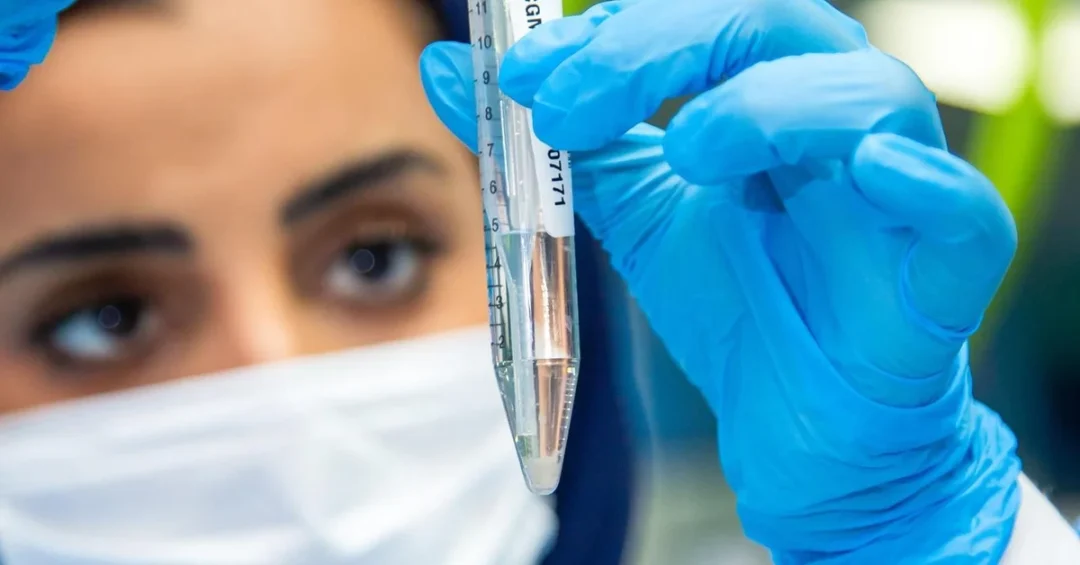
King Faisal Specialist Hospital & Research Centre (KFSHRC) has detected 267 fetal genetic disorders through its Preventive Fetal Screening Program, saving the Saudi healthcare system an estimated SAR360 million annually. The program, which tests more than 300 genes, provided early insights to 1,104 pregnant women, enabling targeted care during critical pregnancy stages. By identifying genetic risks early, KFSHRC has significantly reduced the birth of newborns with severe genetic diseases and improved overall offspring outcomes.
Context and Background
KFSHRC’s Preventive Fetal Screening Program leverages advanced technologies such as Next-Generation Sequencing (NGS) and Non-Invasive Prenatal Testing (NIPT) to enhance the precision and safety of prenatal diagnostics. These innovations benefit approximately 1,500 families annually. The program has also expanded its capacity to detect more than 500 additional genetic diseases, equipping families with early insights that guide medical decisions and reduce long-term healthcare costs.
Key Details
According to information released via the Saudi Press Agency, the screening program delivers early detection of genetic disorders, allowing for timely interventions. KFSHRC’s approach combines precision medicine with comprehensive prenatal care, positioning the institution as a leader in genomic medicine. The hospital’s commitment to innovation is reflected in its global recognition: KFSHRC was ranked first in the Middle East and North Africa and 15th globally among the world’s top 250 Academic Medical Centres for the second consecutive year. It was also named the most valuable healthcare brand in the Kingdom and the Middle East by Brand Finance (2025) and included in Newsweek’s World’s Best Smart Hospitals list for 2025.
Implications and Impact
The annual savings of SAR360 million underscore the economic benefits of preventive genetic screening, reducing the burden on the healthcare system through early diagnosis and management. Regionally, KFSHRC’s program serves as a model for other countries seeking to integrate genomics into prenatal care. The detection of 267 disorders not only improves individual patient outcomes but also contributes to a healthier population, aligning with global trends in preventive medicine.
Vision 2030 Alignment
KFSHRC’s prenatal screening initiative directly supports Saudi Arabia’s Vision 2030 by advancing healthcare innovation, improving quality of life, and fostering a knowledge-based economy. By reducing the incidence of genetic disorders and cutting healthcare costs, the program exemplifies the Kingdom’s commitment to building a world-class healthcare system. This achievement reflects Saudi Arabia’s leadership in precision medicine and its dedication to enhancing the well-being of its citizens through cutting-edge technology and strategic investment in health.
20 Questions
Q1. What is the Preventive Fetal Screening Program at KFSHRC?
A1. It is a program that tests more than 300 genes in pregnant women to detect genetic disorders early, enabling targeted care and reducing the birth of newborns with severe genetic diseases.
Q2. How many genetic disorders has KFSHRC detected through this program?
A2. The program has detected 267 fetal genetic disorders among 1,104 pregnant women, providing early insights that guide medical interventions.
Q3. How much does the program save the Saudi healthcare system annually?
A3. The program saves approximately SAR360 million each year by preventing severe genetic diseases and reducing long-term healthcare costs.
Q4. How many families benefit from this program annually?
A4. Around 1,500 families benefit each year from the enhanced prenatal diagnostics and early genetic insights provided by KFSHRC.
Q5. What technologies are used in the screening program?
A5. The program uses Next-Generation Sequencing (NGS) and Non-Invasive Prenatal Testing (NIPT) to ensure precision and safety in prenatal diagnostics.
Q6. How many additional genetic diseases can the program now detect?
A6. The program has expanded its capacity to detect more than 500 additional genetic diseases beyond the initial panel.
Q7. What is the significance of detecting genetic disorders early?
A7. Early detection allows for timely medical interventions, reduces the incidence of severe genetic diseases, and improves offspring health outcomes.
Q8. How does KFSHRC rank globally among academic medical centres?
A8. KFSHRC is ranked 15th globally and first in the Middle East and North Africa among the top 250 Academic Medical Centres for the second consecutive year.
Q9. What recognition has KFSHRC received from Brand Finance?
A9. KFSHRC was named the most valuable healthcare brand in Saudi Arabia and the Middle East in the 2025 Brand Finance rankings.
Q10. Is KFSHRC listed in any international hospital rankings?
A10. Yes, KFSHRC was included in Newsweek’s World’s Best Smart Hospitals list for 2025.
Q11. How does the program align with Saudi Vision 2030?
A11. It supports Vision 2030 by advancing healthcare innovation, improving quality of life, and reducing healthcare costs through preventive medicine.
Q12. What is the source of the information about this program?
A12. The information was released via the Saudi Press Agency (SPA), an official Saudi news authority.
Q13. How does KFSHRC contribute to precision medicine?
A13. KFSHRC integrates genomic testing and advanced prenatal diagnostics to deliver personalized care, exemplifying precision medicine in practice.
Q14. What types of genetic disorders are screened?
A14. The program screens for a wide range of genetic disorders by testing over 300 genes, including those that cause severe congenital conditions.
Q15. Is this program available to all pregnant women in Saudi Arabia?
A15. The program is offered at KFSHRC, which serves as a referral center; it is accessible to pregnant women referred for advanced prenatal care.
Q16. How does Non-Invasive Prenatal Testing work?
A16. NIPT analyzes fetal DNA circulating in the mother’s blood to detect genetic abnormalities without invasive procedures, reducing risk to both mother and fetus.
Q17. What is the role of Next-Generation Sequencing in this program?
A17. NGS allows rapid and accurate sequencing of multiple genes simultaneously, enabling comprehensive genetic screening for fetal disorders.
Q18. How does the program reduce healthcare costs?
A18. By preventing severe genetic diseases, the program avoids expensive lifelong treatments, hospitalizations, and therapies, saving SAR360 million annually.
Q19. What impact does the program have on newborns’ quality of life?
A19. Early detection and intervention reduce the birth of newborns with severe genetic diseases, improving their health outcomes and overall well-being.
Q20. How does KFSHRC’s program benefit the region?
A20. It serves as a model for integrating genomics into prenatal care, showcasing Saudi Arabia’s leadership in healthcare innovation and preventive medicine.
Reader Feedback
We value your thoughts. Please share your feedback on this article.
Your feedback helps us improve our coverage.