


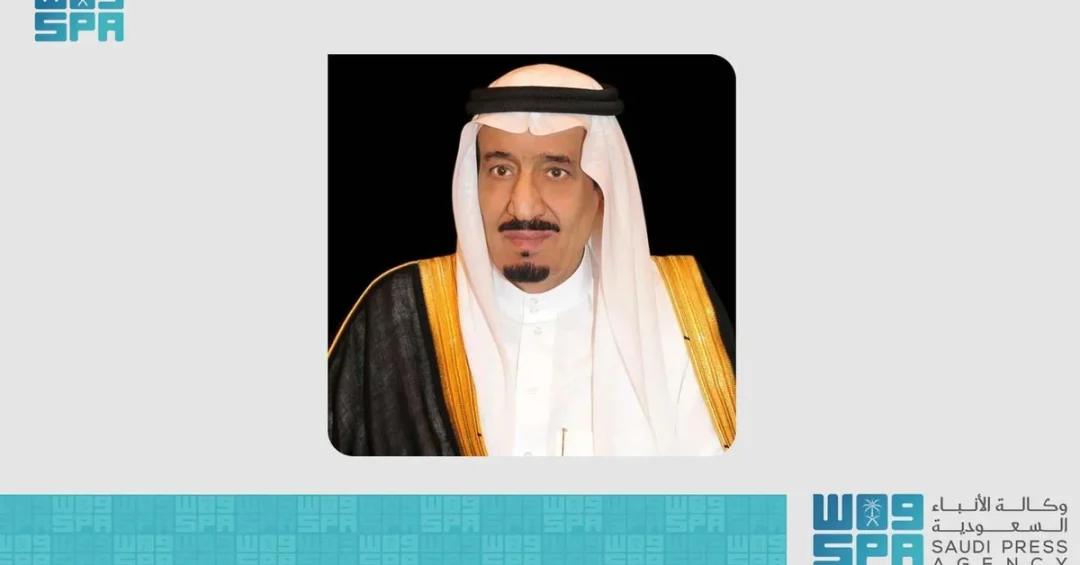
The Custodian of the Two Holy Mosques, King Salman bin Abdulaziz Al Saud, has approved the awarding of the King Abdulaziz Medal Third Class to 72 citizens, including both males and females, for donating one of their major organs. The announcement was made by the Saudi Press Agency (SPA) on December 3, 2024, marking a significant recognition of individual altruism and the Kingdom’s commitment to promoting organ donation.
Context and Background
The King Abdulaziz Medal is one of the highest civilian honors in the Kingdom of Saudi Arabia, awarded for exceptional service, acts of heroism, or significant contributions to society. The Third Class recognition, specifically for donating a major organ such as a kidney or part of a liver, underscores the profound value placed on saving lives. This initiative aligns with the Kingdom’s broader healthcare modernization efforts under Vision 2030, which prioritize improving the quality of life and expanding access to life-saving medical procedures.
Key Details
The recipients include both male and female citizens from various regions, reflecting a nationwide spirit of generosity. The King Abdulaziz Medal Third Class is typically conferred by royal decree, and this batch of awards was approved directly by King Salman. While the specific names of the recipients have not been publicly disclosed by SPA, the gesture serves as a powerful incentive for others to consider organ donation. The Saudi Center for Organ Transplantation (SCOT), under the Ministry of Health, has been instrumental in coordinating such donations and raising public awareness about the need for transplantable organs.
Implications and Impact
This royal recognition is expected to boost public awareness and participation in organ donation programs across the Kingdom. By honoring donors, Saudi Arabia highlights a culture of compassion and social responsibility, which is integral to its societal goals. The move also positions the Kingdom as a leader in ethical healthcare practices in the Middle East, encouraging regional dialogue on organ donation and transplantation. Furthermore, it reinforces trust in the national healthcare system, which has been steadily advancing in terms of infrastructure and expertise.
Vision 2030 Alignment
The awarding of the King Abdulaziz Medal for organ donation directly supports Vision 2030 objectives, particularly the Quality of Life Program and the Health Sector Transformation Program. By celebrating donors, the Kingdom promotes a healthier society and encourages voluntary contributions to public well-being. This recognition not only honors individual sacrifice but also serves as a catalyst for greater community involvement in life-saving initiatives, further solidifying Saudi Arabia’s commitment to a vibrant, compassionate, and prosperous future under the leadership of the Custodian of the Two Holy Mosques.
20 Questions
Q1. Who approved the awarding of the King Abdulaziz Medal Third Class to the 72 citizens?
A1. The Custodian of the Two Holy Mosques, King Salman bin Abdulaziz Al Saud, approved the awarding of the King Abdulaziz Medal Third Class to the 72 citizens for organ donation.
Q2. Why were the 72 citizens awarded the King Abdulaziz Medal Third Class?
A2. They were awarded for donating one of their major organs, such as a kidney or part of a liver, recognizing their life-saving altruism.
Q3. What is the King Abdulaziz Medal?
A3. The King Abdulaziz Medal is a high civilian honor in Saudi Arabia, awarded for exceptional service, heroism, or significant contributions to society, including organ donation.
Q4. When was the announcement made?
A4. The announcement was made on December 3, 2024, by the Saudi Press Agency (SPA).
Q5. How many citizens received the medal?
A5. A total of 72 citizens, including both males and females, received the King Abdulaziz Medal Third Class.
Q6. What is the significance of the Third Class of the King Abdulaziz Medal?
A6. The Third Class is one of the levels of the medal, awarded here specifically for donating a major organ, emphasizing the value of life-saving contributions.
Q7. What types of organ donations are recognized in this award?
A7. The award specifically recognizes donations of major organs, such as kidneys or parts of the liver.
Q8. Which Saudi agency coordinates organ donations?
A8. The Saudi Center for Organ Transplantation (SCOT), under the Ministry of Health, coordinates organ donations and transplant procedures in Saudi Arabia.
Q9. Does this award include both male and female recipients?
A9. Yes, the award includes both male and female citizens, promoting gender equality in recognition of life-saving acts.
Q10. How does this recognition align with Vision 2030?
A10. It aligns with the Quality of Life Program and Health Sector Transformation Program under Vision 2030, promoting community health and social responsibility.
Q11. What message does the King’s approval send to the public?
A11. It sends a strong message of appreciation for altruism and encourages more citizens to consider organ donation as a noble act.
Q12. Are the names of the recipients publicly available?
A12. The Saudi Press Agency did not disclose the specific names of the recipients in its initial announcement.
Q13. What is the role of the Ministry of Health in organ donation?
A13. The Ministry of Health oversees the Saudi Center for Organ Transplantation, which manages organ donation processes and public awareness campaigns.
Q14. How does this award impact the organ donation system in Saudi Arabia?
A14. It raises public awareness, boosts trust in the healthcare system, and encourages more individuals to register as organ donors.
Q15. Is organ donation legal and regulated in Saudi Arabia?
A15. Yes, organ donation is legal and strictly regulated under Saudi law, with oversight by the Saudi Center for Organ Transplantation.
Q16. What major organs are typically donated in Saudi Arabia?
A16. Major organs commonly donated include kidneys, parts of the liver, heart, lungs, and pancreas, subject to medical compatibility.
Q17. How does the King Abdulaziz Medal Third Class compare to other honors?
A17. It is a significant civilian honor, less rare than the First or Second Class but still prestigious, recognizing noteworthy contributions to society.
A18. The move reinforces trust in the national healthcare system by showing that the state values and honors those who save lives through donation.
Q19. What future steps might Saudi Arabia take to promote organ donation?
A19. Saudi Arabia may expand public education campaigns, streamline registration processes, and continue offering royal recognition to encourage donation.
Q20. How can a citizen register as an organ donor in Saudi Arabia?
A20. Citizens can register through the Saudi Center for Organ Transplantation or at participating hospitals after signing a consent form.
Reader Feedback
We value your thoughts. Please share your feedback on this article.
Your feedback helps us improve our coverage.