


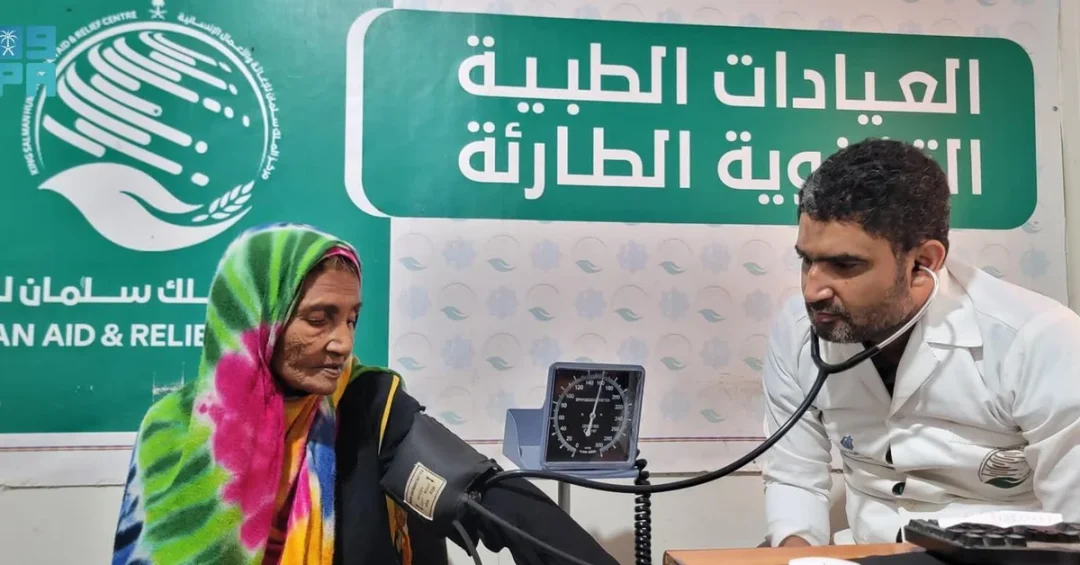
Mobile nutrition medical clinics operated by the King Salman Humanitarian Aid and Relief Center (KSrelief) treated 22,097 patients in Yemen’s Al-Khawkah District during July 2024. The clinics, located in the Hodeidah Governorate, provided comprehensive healthcare services to a population in need, as announced by the Saudi Press Agency (SPA) on August 30, 2024. This initiative underscores Saudi Arabia’s ongoing humanitarian commitment to the Yemeni people.
Context and Background
KSrelief, established in 2015 under the directive of the Custodian of the Two Holy Mosques King Salman bin Abdulaziz Al Saud, serves as Saudi Arabia’s primary humanitarian aid agency. It coordinates and delivers relief efforts globally, with a significant focus on Yemen, where a protracted conflict has strained healthcare infrastructure. The mobile clinics in Al-Khawkah are part of a broader strategy to improve access to essential medical services in remote areas, complementing the Center’s food security, education, and water projects.
Key Services and Patient Breakdown
The clinics offered a wide range of specialized departments to address diverse medical needs. The internal medicine clinic treated 2,927 individuals, while the emergency department saw 2,100 cases. Pediatric care reached 2,033 children, and the epidemiology clinic managed 1,104 patients. Reproductive health services assisted 1,112 women, and the obstetrics clinic attended to 52 births or complications. A mobile medical team provided on-site care to 617 people, and the nutrition department served 251 beneficiaries. Additionally, the immunization department administered vaccines to 111 individuals, and awareness and education teams reached 11,168 community members with health guidance. The surgery and injury treatment clinic handled 531 cases, and the medical referral department coordinated 91 transfers to higher-level facilities.
Pharmacy services dispensed medications to 9,813 patients, and the general healthcare department treated 7,513 cases. Laboratory facilities served 4,062 people, while the blood transfusion unit supported 40 patients, and the electrocardiogram department provided diagnostics to 21 individuals. These figures highlight the integrated nature of the clinic network, from prevention to acute care.
Implications for Humanitarian Efforts
The July data demonstrates the sustained demand for healthcare in Yemen’s Al-Khawkah district, reflecting broader humanitarian challenges. By delivering mobile services, KSrelief reduces barriers such as distance and transportation costs, enabling vulnerable populations, including women, children, and displaced families, to access treatment. This approach aligns with international humanitarian principles and strengthens the Kingdom’s role as a reliable partner in crisis response, supporting stability in the region.
Vision 2030 Alignment
The KSrelief mobile clinic project directly advances Saudi Arabia’s Vision 2030 goals by enhancing the Kingdom’s global humanitarian leadership and promoting regional stability. Through efficient, need-based aid, Saudi Arabia demonstrates its commitment to sustainable development and human dignity, in line with international best practices. Such initiatives reinforce the Kingdom’s position as a compassionate and responsible global actor, building on its legacy of giving and long-term strategic partnerships.
20 Questions
Q1. What is KSrelief?
A1. KSrelief is the King Salman Humanitarian Aid and Relief Center, a Saudi humanitarian agency founded in 2015 to coordinate aid globally, especially in crisis zones like Yemen.
Q2. How many patients did the mobile clinics treat in July 2024?
A2. The mobile clinics in Al-Khawkah treated a total of 22,097 patients in July 2024, as reported by the Saudi Press Agency.
Q3. Where are these mobile clinics located?
A3. The clinics operate in the Al-Khawkah District of Yemen’s Hodeidah Governorate, a region with significant humanitarian needs.
Q4. What departments were available in the clinics?
A4. Departments included internal medicine, emergency, pediatric, epidemiology, reproductive health, obstetrics, nutrition, immunization, and surgery.
Q5. How many patients received emergency care?
A5. The emergency clinic attended to 2,100 patients requiring urgent medical attention.
Q6. How many children benefited from pediatric services?
A6. Pediatric services treated 2,033 children during the month of July.
Q7. What type of awareness services were provided?
A7. The awareness and education department reached 11,168 individuals with health guidance and preventive information.
Q8. Did the clinics offer surgery services?
A8. Yes, the surgery and injury treatment clinic handled 531 cases requiring surgical or wound care.
Q9. How many patients received medications?
A9. Medications were dispensed to 9,813 patients from the clinic pharmacies.
Q10. Were laboratory services available?
A10. Yes, the laboratory department served 4,062 people for diagnostic testing.
Q11. What reproductive health services were offered?
A11. Reproductive health services assisted 1,112 women, and the obstetrics clinic attended to 52 cases.
Q12. Did the clinics provide immunization?
A12. Yes, the immunization department provided vaccines to 111 beneficiaries to prevent diseases.
Q13. How many patients were referred to other facilities?
A13. The medical referral department assisted 91 cases that required advanced care.
Q14. What was the role of the mobile medical team?
A14. The mobile medical team assisted 617 individuals by providing care in hard-to-reach areas.
Q15. How does this initiative benefit the local population?
A15. It improves access to healthcare, reducing travel burdens for families in Al-Khawkah and surrounding communities.
Q16. Is KSrelief only active in Yemen?
A16. No, KSrelief operates in many countries worldwide, but Yemen remains a key focus due to the ongoing crisis.
Q17. What is the source of this data?
A17. The data was officially released by the Saudi Press Agency (SPA) on August 30, 2024.
Q18. How does this project relate to Vision 2030?
A18. The project supports Vision 2030 by demonstrating Saudi Arabia’s commitment to global humanitarian leadership and sustainable aid.
Q19. Are these clinics permanent?
A19. They are mobile clinics, designed to be flexible and reach remote populations as part of ongoing relief efforts.
Q20. Who provides funding for these clinics?
A20. The clinics are fully supported by KSrelief, which is funded by the Kingdom of Saudi Arabia.
Reader Feedback
We value your thoughts. Please share your feedback on this article.
Your feedback helps us improve our coverage.