
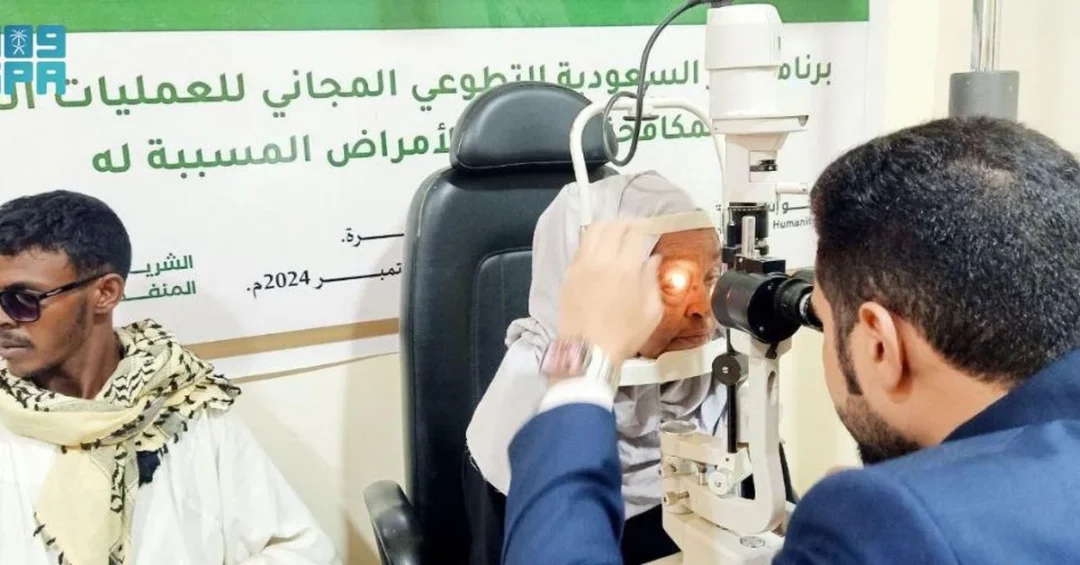
The King Salman Humanitarian Aid and Relief Center (KSrelief) has been implementing the Noor Saudi Volunteer Project for operations to combat blindness and its causes in the Republic of Sudan since July 15, 2024, with the campaign scheduled to conclude on September 15, 2024. Operating in the cities of Atbara, Port Sudan, Kassala, and Damazin, the initiative reflects Saudi Arabia’s ongoing commitment to global humanitarian assistance, particularly in medical relief for vulnerable populations.
Context and Background
The Noor Saudi Volunteer Project is a specialized medical campaign aimed at addressing preventable blindness and eye diseases in underserved communities. Sudan, which has faced significant healthcare challenges due to ongoing economic and political difficulties, benefits directly from this targeted intervention. KSrelief, established in 2015 as the Kingdom’s humanitarian arm, has a track record of delivering medical aid worldwide, with eye health being a priority area given the high prevalence of treatable conditions such as cataracts, glaucoma, and diabetic retinopathy in low-resource settings.
Key Details and Medical Outcomes
According to the Saudi Press Agency, the volunteer medical team has achieved significant results since the campaign’s launch. Procedures performed include 50 retinal injections, 79 glaucoma surgeries, 5 strabismus surgeries, 107 retinal surgeries, 293 laser surgeries, and 364 minor eye surgeries. These figures underscore the project’s immediate impact, restoring or preserving vision for hundreds of individuals in Sudan.
The project team consists of volunteer medical professionals who dedicate their time and expertise to treat patients free of charge. The focus on multiple cities ensures broad geographic coverage, reaching populations that might otherwise lack access to specialized ophthalmic care.
Humanitarian and International Impact
This initiative is part of a broader pattern of Saudi humanitarian engagement, where KSrelief has implemented over 2,500 projects in 94 countries, valued at more than $6 billion. By addressing blindness, the project not only alleviates individual suffering but also supports broader development goals, as vision impairment is closely linked to poverty and reduced economic productivity. The commitment to Sudan during a period of internal crisis further demonstrates the Kingdom’s consistent policy of providing unconditional humanitarian aid, separate from political considerations.
Vision 2030 Alignment
The Noor Saudi Volunteer Project aligns seamlessly with Saudi Vision 2030, which emphasizes the Kingdom’s role as a global humanitarian leader. By exporting medical expertise and volunteerism, the initiative embodies the Vision’s objective to foster international cooperation and demonstrate the compassionate values of Saudi society. As the campaign continues through September 15, it reaffirms Saudi Arabia’s dedication to sustainable development goals, particularly good health and well-being, and showcases the Kingdom’s capacity to mobilize resources for global good, strengthening its soft power and international standing.
20 Questions
Q1. What is the Noor Saudi Volunteer Project?
A1. It is a medical campaign implemented by KSrelief to combat blindness and its causes, providing free eye surgeries and treatments in Sudan.
Q2. When did the project start?
A2. The project began on July 15, 2024, and is scheduled to end on September 15, 2024.
Q3. Where is the project being implemented?
A3. It is active in four Sudanese cities: Atbara, Port Sudan, Kassala, and Damazin.
Q4. Which organization is leading the project?
A4. The King Salman Humanitarian Aid and Relief Center (KSrelief) is leading the project.
Q5. How many retinal injections have been performed?
A5. The volunteer team has successfully performed 50 retinal injections since the start of the campaign.
Q6. How many glaucoma surgeries have been conducted?
A6. The project has performed 79 glaucoma surgeries to date.
Q7. Are there any strabismus surgeries?
A7. Yes, the team has completed 5 strabismus surgeries as part of the campaign.
Q8. What is the total number of retinal surgeries?
A8. A total of 107 retinal surgeries have been performed in the project.
Q9. How many laser surgeries were done?
A9. The campaign includes 293 laser surgeries to treat various eye conditions.
Q10. What is the count of minor eye surgeries?
A10. There have been 364 minor eye surgeries conducted so far.
Q11. Why is the project important for Sudan?
A11. Sudan faces healthcare shortages; this project provides free specialized eye care to prevent blindness in underserved communities.
Q12. Who funds the Noor Saudi Volunteer Project?
A12. The project is funded by the Kingdom of Saudi Arabia through KSrelief, its humanitarian relief agency.
Q13. Is this the first such project by KSrelief?
A13. No, it is part of a series of volunteer medical projects by KSrelief to combat blindness globally.
Q14. What types of eye diseases are treated?
A14. Conditions include glaucoma, diabetic retinopathy, strabismus, cataracts, and other treatable eye diseases.
Q15. How does the project align with Vision 2030?
A15. It supports Vision 2030’s goal of enhancing Saudi Arabia’s global humanitarian role and promoting international cooperation.
Q16. What is the role of volunteers?
A16. Volunteers include medical professionals who donate their time and skills to perform surgeries and treatments free of charge.
Q17. Will the project continue after September 2024?
A17. The current phase ends September 15, 2024, but KSrelief may launch similar projects in the future.
Q18. How does this help Sudan’s healthcare system?
A18. It reduces the burden on local healthcare by providing specialized services and treating preventable blindness.
Q19. Are there other countries where KSrelief runs similar eye projects?
A19. Yes, KSrelief has implemented similar projects in other nations, including Yemen and Bangladesh.
Q20. What is the long-term goal of the project?
A20. It aims to prevent blindness, improve quality of life, and demonstrate Saudi Arabia’s commitment to international humanitarian aid.
Reader Feedback
We value your thoughts. Please share your feedback on this article.
Your feedback helps us improve our coverage.