


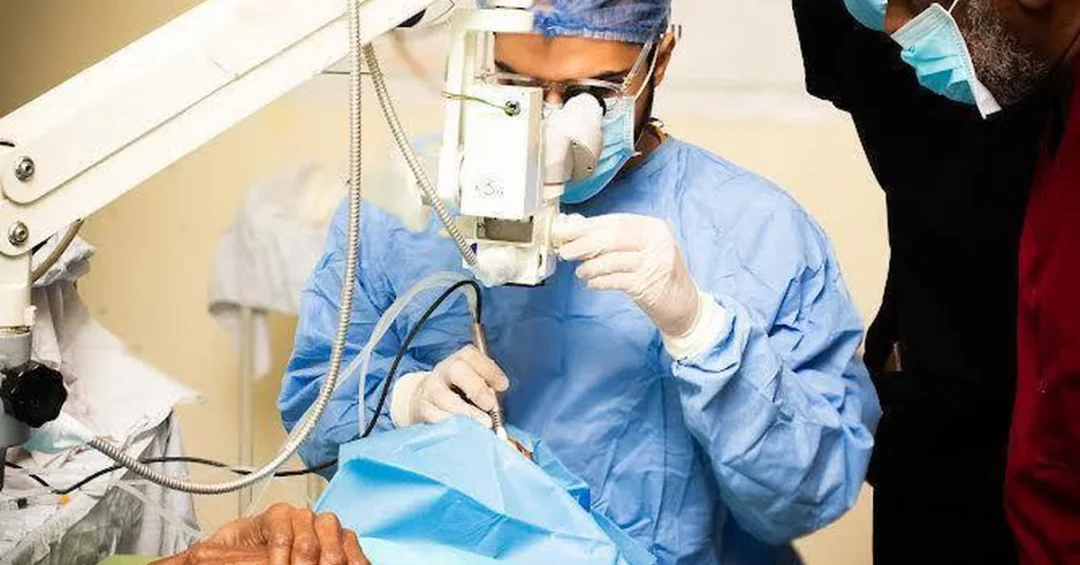
The King Salman Humanitarian Aid and Relief Center (KSrelief) has launched the Noor Saudi Volunteer Project to combat blindness in Mendefera, Eritrea, reflecting the Kingdom of Saudi Arabia’s ongoing commitment to global healthcare initiatives. The volunteer medical team examined 3,000 cases, performed 407 specialized eye surgeries, and distributed 900 pairs of eyeglasses from November 22 to 29, 2024, as reported by the Saudi Press Agency.
Context and Background
This project is part of Saudi Arabia’s broader humanitarian strategy, executed through KSrelief, which has been active in over 80 countries. Eritrea, with limited access to specialized eye care, benefits directly from these missions, which address preventable blindness and treat conditions like cataracts and glaucoma. The initiative aligns with the Kingdom’s role as a leading global donor in medical relief, supporting low-income patients who cannot afford essential surgeries.
Key Details of the Mission
The Noor Saudi Volunteer Project deployed a team of volunteer ophthalmologists and support staff to Mendefera, a city in southern Eritrea. Over eight days, the team screened thousands of patients, prioritizing the most severe cases. Surgeries included cataract removals and other corrective procedures, while eyeglasses were provided to those with refractive errors. KSrelief’s coordination with local health authorities ensured efficient patient selection and follow-up care.
Humanitarian Impact and International Engagement
This mission underscores Saudi Arabia’s expanding footprint in humanitarian aid, particularly in Africa. By restoring vision to 407 individuals, the project improves quality of life, enables economic participation, and reduces the burden on strained local health systems. It also strengthens diplomatic ties between Riyadh and Asmara, showcasing a model of soft power through medical assistance. Similar KSrelief projects have been conducted in Yemen, Sudan, and Pakistan.
Vision 2030 Alignment
The Noor Volunteer Project exemplifies Saudi Arabia’s Vision 2030 commitment to global citizenship and sustainable development. By leveraging medical expertise and volunteerism, the Kingdom enhances its reputation as a compassionate leader in international relief. Looking ahead, KSrelief plans to expand such initiatives, supporting the United Nations Sustainable Development Goals, particularly Goal 3 on good health and well-being.
20 Questions
Q1. What is KSrelief?
A1. KSrelief is the King Salman Humanitarian Aid and Relief Center, the official humanitarian arm of the Kingdom of Saudi Arabia, founded in 2015 to coordinate and deliver global aid.
Q2. What is the Noor Saudi Volunteer Project?
A2. It is a KSrelief-led medical mission that provides eye care, surgeries, and eyeglasses to combat blindness in underserved communities, operating internationally.
Q3. Where was this project implemented?
A3. The project was implemented in Mendefera, Eritrea, a city in the southern part of the country, from November 22 to 29, 2024.
Q4. How many patients were examined?
A4. The KSrelief volunteer medical team examined 3,000 cases during the eight-day mission, screening for various eye diseases.
Q5. How many surgeries were performed?
A5. A total of 407 specialized eye surgeries were performed, primarily for conditions like cataracts and other blinding diseases.
Q6. How many eyeglasses were distributed?
A6. The team distributed 900 pairs of eyeglasses to patients with refractive errors, aiding in vision correction and improving daily life.
Q7. Who funded the Noor Saudi Volunteer Project?
A7. The project was funded by the Kingdom of Saudi Arabia through KSrelief, as part of its humanitarian and relief efforts.
Q8. Why is this project important for Eritrea?
A8. Eritrea has limited access to specialized eye care, and this project provides free surgeries and eyeglasses to low-income patients, preventing blindness and improving health.
Q9. What types of eye diseases were targeted?
A9. The project targeted cataracts, glaucoma, and other contributory eye diseases that can lead to blindness if untreated.
Q10. How does this project align with Saudi Arabia’s values?
A10. It reflects Saudi Arabia’s Islamic and humanitarian values of charity, compassion, and supporting vulnerable communities worldwide.
Q11. Is this project part of a larger initiative?
A11. Yes, it is part of KSrelief’s global medical campaigns, which include similar projects in over 80 countries, supporting health and relief.
Q12. How does KSrelief select target countries?
A12. KSrelief selects countries based on humanitarian need, requests from local governments, and strategic alignment with global health goals.
Q13. Were local health authorities involved?
A13. Yes, KSrelief coordinated with Eritrean health authorities for patient selection, logistics, and ensuring follow-up care after surgeries.
Q14. How many volunteers participated in this mission?
A14. While exact numbers are not specified, the mission included a volunteer team of ophthalmologists, nurses, and support staff.
Q15. Is the Noor project recurring?
A15. KSrelief often repeats successful projects, and similar missions have been conducted in other countries, with potential for future returns to Eritrea.
Q16. What is the estimated cost of such a project?
A16. Specific costs are not publicly available, but it includes travel, medical supplies, surgeries, and eyeglasses, funded by Saudi aid budgets.
Q17. How does this project benefit Saudi Arabia’s reputation?
A17. It enhances Saudi Arabia’s image as a global humanitarian leader, countering negative narratives and building goodwill through tangible aid.
Q18. Has Saudi Arabia done similar projects in Africa?
A18. Yes, Saudi Arabia, via KSrelief, has conducted humanitarian projects in Sudan, Somalia, Nigeria, and other African nations.
Q19. What role do volunteers play in KSrelief?
A19. Volunteers, including medical professionals, donate their time and skills for missions like the Noor project, embodying Saudi generosity and expertise.
Q20. What is the future of KSrelief’s work in Eritrea?
A20. KSrelief may expand into other health areas in Eritrea, such as maternal health or nutrition, based on assessed needs and diplomatic cooperation.
Reader Feedback
We value your thoughts. Please share your feedback on this article.
Your feedback helps us improve our coverage.