


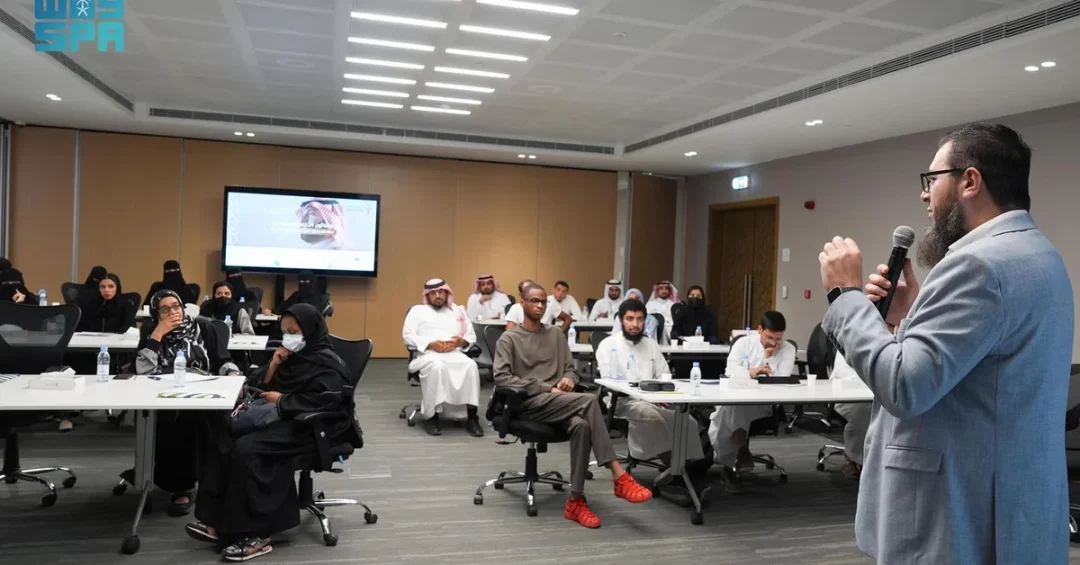
The Madinah Dates Season recently hosted a specialized workshop at the Chamber of Commerce, bringing together faculty members from Prince Muqrin bin Abdulaziz University, researchers, and artificial intelligence enthusiasts to explore the transformative potential of AI-driven agriculture. The event, reported by the Saudi Press Agency, highlighted Saudi Arabia’s commitment to integrating advanced technology into traditional farming sectors as part of the Kingdom’s broader modernization efforts.
Context and Background
The Madinah Dates Season is an annual event that celebrates the rich heritage of date cultivation in the region, home to over 29,000 farms across various governorates. This year’s season placed a strong emphasis on leveraging cutting-edge technologies to address pressing agricultural challenges, from crop diseases to resource management. The workshop at the Chamber of Commerce served as a platform for academic researchers and AI specialists to share insights on how electronic systems can revolutionize farming practices, aligning with Saudi Arabia’s Vision 2030 goals of economic diversification and sustainable development.
Key Details
During the workshop, participants showcased innovative AI tools designed to monitor crop health, such as devices that detect early signs of diseases or stress in date palms. These systems provide farmers with actionable insights for effective treatment, potentially reducing crop losses and improving yield quality. Additionally, presenters demonstrated devices capable of predicting agricultural pest activity, enabling targeted pest control strategies that minimize the use of chemical pesticides. Researchers emphasized that these technologies, powered by advanced algorithms and real-time data analysis, can significantly enhance sustainable agricultural practices and boost local production in the Kingdom.
Implications and Impact
The adoption of AI in agriculture has far-reaching implications for Saudi Arabia’s food security and environmental sustainability. By reducing reliance on chemical inputs and optimizing water usage, these innovations align with global efforts to combat climate change and resource scarcity. The Madinah region, with its vast date palm plantations, stands to benefit from improved efficiency and reduced operational costs. This initiative also positions Saudi Arabia as a leader in the Middle East for agricultural technology, potentially attracting international partnerships and investments in the agri-tech sector. The involvement of Prince Muqrin bin Abdulaziz University underscores the role of academic institutions in driving research and development that supports national priorities.
Vision 2030 Alignment
The workshop is a testament to Saudi Arabia’s dedication to achieving the goals of Vision 2030, particularly in enhancing agricultural productivity and sustainability. By fostering innovation and collaboration between academia, government, and the private sector, the Kingdom is laying the groundwork for a knowledge-based economy that reduces dependence on oil revenues. The integration of AI into date palm cultivation not only preserves a cherished cultural heritage but also ensures the long-term viability of the agricultural sector. As the Madinah Dates Season continues to evolve, it serves as a model for how traditional industries can embrace technology to thrive in a rapidly changing world.
20 Questions
Q1. What was the main focus of the workshop held during the Madinah Dates Season?
A1. The workshop focused on exploring the future of AI-driven agriculture, including tools for crop health monitoring, pest prediction, and sustainable farming practices to enhance date palm cultivation.
Q2. Where was the workshop held?
A2. The workshop took place at the Chamber of Commerce in Madinah, as part of the Madinah Dates Season activities.
Q3. Who participated in the workshop?
A3. Participants included faculty members from Prince Muqrin bin Abdulaziz University, researchers, and AI enthusiasts dedicated to advancing agricultural technology.
Q4. What AI tools were showcased at the event?
A4. Tools included systems for monitoring crop health, detecting early signs of disease or stress, and devices that predict agricultural pest activity for targeted control.
Q5. How can AI tools benefit date palm farmers?
A5. AI tools help farmers detect problems early, reduce crop losses, minimize chemical use, and implement efficient pest control strategies, leading to higher yields and sustainability.
Q6. What is the Madinah Dates Season?
A6. The Madinah Dates Season is an annual event celebrating date palm varieties, their nutritional value, and agricultural practices, while promoting awareness and innovation in the sector.
Q7. How many farms participated in the Madinah Dates Season?
A7. Over 29,000 farms from various governorates in the Madinah region took part in the event and its associated activities.
Q8. What role do researchers play in this initiative?
A8. Researchers provide expertise in developing and testing AI systems, ensuring they are effective for local conditions and contribute to sustainable agriculture.
Q9. How does AI help in reducing chemical usage in farming?
A9. AI predicts pest activity, allowing farmers to apply pesticides only where and when needed, thereby reducing overall chemical use and environmental impact.
Q10. What is the significance of Prince Muqrin bin Abdulaziz University in this context?
A10. The university contributes academic research and innovation, bridging theory and practice to support agricultural modernization in line with national goals.
Q11. How does this workshop align with Vision 2030?
A11. It supports Vision 2030 by promoting technological innovation, economic diversification, and sustainable resource management in the agricultural sector.
Q12. What challenges in agriculture can AI address?
A12. AI addresses challenges like crop diseases, water scarcity, pest infestations, and inefficient resource use, improving overall productivity and resilience.
Q13. Are these AI tools currently in use in Madinah?
A13. The workshop presented tools in development or early adoption stages, with potential for wider implementation across farms in the region.
Q14. What is the expected impact on local production?
A14. AI-driven agriculture is expected to boost local date production by reducing losses, optimizing inputs, and enhancing crop health management.
Q15. How does the event promote awareness of date palm varieties?
A15. Through workshops and activities, the season educates the public and farmers about different date varieties, their nutritional benefits, and best cultivation practices.
Q16. What other activities are part of the Madinah Dates Season?
A16. The season includes a range of events such as exhibitions, competitions, and educational sessions that highlight the cultural and economic importance of dates.
Q17. Why is pest prediction important for farmers?
A17. Pest prediction allows farmers to act proactively, preventing outbreaks that could devastate crops, while reducing the need for broad chemical applications.
Q18. How does this initiative support Saudi Arabia’s food security?
A18. By increasing agricultural efficiency and sustainability, the initiative helps ensure a stable supply of locally produced food, reducing reliance on imports.
Q19. Can AI technologies be applied to other crops in Saudi Arabia?
A19. Yes, AI tools developed for dates can be adapted for other crops, supporting broader agricultural innovation across the Kingdom.
Q20. What is the long-term vision for AI in Saudi agriculture?
A20. The long-term vision is to create a smart, sustainable agricultural sector that leverages AI to maximize productivity, conserve resources, and contribute to Vision 2030’s economic goals.
Reader Feedback
We value your thoughts. Please share your feedback on this article.
Your feedback helps us improve our coverage.