


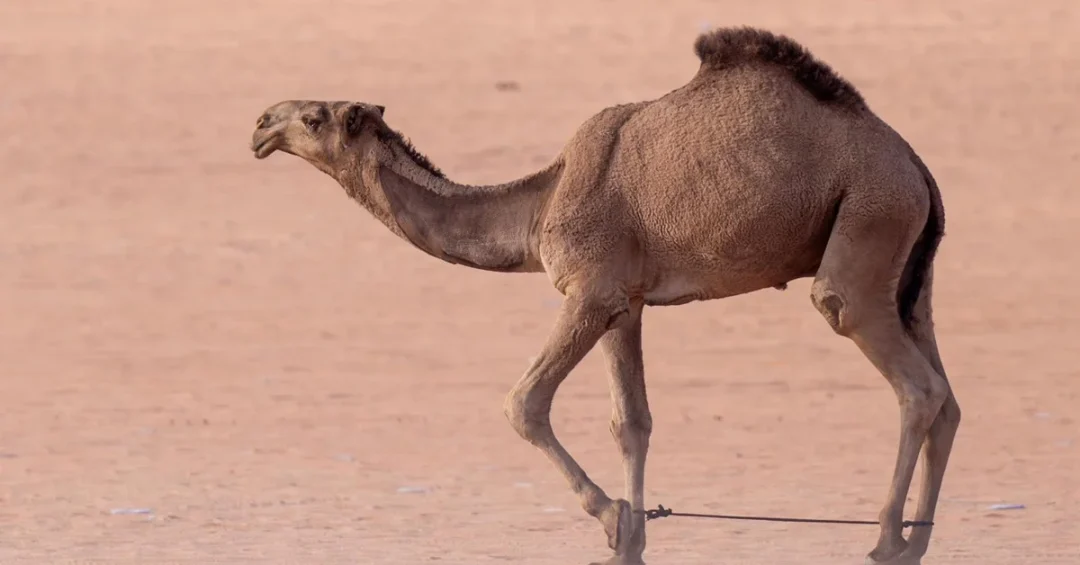
The camel, a creature of extraordinary resilience and cultural significance, stands as an enduring symbol of Arabian heritage, deeply intertwined with the history and identity of Saudi Arabia. For centuries, these remarkable animals have been prized for their strength, endurance, and adaptability to the harsh desert environment, forming the backbone of Bedouin life and trade routes that crisscross the Arabian Peninsula. Today, the camel continues to be celebrated and preserved through government initiatives and cultural festivals, reflecting the Kingdom’s commitment to honoring its past while building a prosperous future.
Context and Background
The Arabian Peninsula has a long-established tradition of camel husbandry, with generations of Bedouins cultivating various breeds, each uniquely adapted to specific roles and environments. Renowned for their ability to thrive in arid conditions, camels have provided sustenance, transportation, and companionship for millennia. This deep-rooted relationship is formally recognized by the Kingdom of Saudi Arabia, which champions the conservation of camel heritage through dedicated agencies, such as the Ministry of Environment, Water and Agriculture, and high-profile events like the annual King Abdulaziz Camel Festival.
Key Details: Breeds and Biological Marvels
Several distinct camel breeds, each with unique characteristics, have been developed across the region. The Majaheem breed, often referred to as “Najdi camels,” is renowned for its large size, black coat, and abundant milk production. In contrast, the Maghateer breed is prized for its white coat, elegant appearance, and moderate milk production. Other notable breeds include the swift Sha’laa, with its red and blond hues; the Safar, recognized for its abundant fur; and the medium-sized Al-Hamr and Awarik camels, each with distinct characteristics.
Beyond their cultural value, camels possess remarkable biological adaptations that enable them to thrive in extreme deserts. Their specialized cleft lips allow them to consume thorny plants, while also enabling them to close their nostrils during sandstorms. As ruminants, they can store food and water in their stomachs for later digestion. The iconic hump serves as a fat storage depot, providing energy during times of scarcity. Their thick skin and reflective fur protect against intense heat and sunburn, while efficient water conservation mechanisms, including minimal sweat glands and the ability to regulate body temperature, allow them to survive for extended periods without water.
Implications for Cultural and Economic Sustainability
The preservation and celebration of camel heritage have significant implications for Saudi Arabia’s cultural identity and economy. The camel industry supports a wide ecosystem, from breeding and racing to the production of camel milk and meat, which are increasingly recognized for their nutritional benefits. Major events, such as the King Abdulaziz Camel Festival, attract international participants and visitors, promoting cultural exchange and tourism. This aligns with the Kingdom’s Vision 2030 goals of diversifying the economy and showcasing Saudi Arabia’s rich heritage on a global stage. The official Saudi Press Agency regularly covers these developments, underscoring the government’s commitment to this sector.
Vision 2030 Alignment
The ongoing efforts to preserve and promote camel husbandry are a testament to Saudi Arabia’s commitment to Vision 2030, which seeks to balance modernization with the preservation of the Kingdom’s unique identity. By supporting camel-related cultural events, research into camel biology, and the development of the camel product market, the Kingdom is ensuring that this ancient tradition thrives in the modern world. This not only safeguards a vital part of Saudi heritage but also creates new economic opportunities, reinforcing the nation’s role as a global leader in cultural preservation and sustainable development. The majestic camel remains a living link to the past, galloping proudly into a bright and prosperous future.
20 Questions
Q1. What makes the camel a symbol of Arabian heritage?
A1. The camel has been central to life in the Arabian Peninsula for millennia, providing transportation, sustenance, and companionship. Its resilience and adaptability are deeply admired, making it a powerful symbol of endurance and cultural identity.
Q2. How does Saudi Arabia preserve its camel heritage?
A2. Saudi Arabia actively preserves camel heritage through dedicated ministries like the Ministry of Environment, Water and Agriculture, and cultural events such as the King Abdulaziz Camel Festival, which celebrate the animal’s historical and cultural importance.
Q3. What are the main camel breeds in Saudi Arabia?
A3. Notable breeds include the Majaheem, known for its large size and black coat; the white Maghateer; the swift Sha’laa with red and blond hues; the Safar with abundant fur; the medium-sized Al-Hamr; and the lighter Awarik.
Q4. Why is the Majaheem breed particularly prized?
A4. The Majaheem breed, often called “Najdi camels,” is highly valued for its large size, striking black coat, and abundant milk production, making it a prized asset for breeders and dairy production.
Q5. How do camels survive without water for long periods?
A5. Camels have exceptional adaptations, including minimal sweat glands, the ability to regulate body temperature, and efficient kidney function. They can also drink large quantities of water rapidly when it becomes available.
Q6. What is the purpose of a camel’s hump?
A6. The camel’s hump is a depot for fat storage. This fat provides a source of energy and water when food and water are scarce, allowing the camel to survive long periods in the desert.
Q7. How do camels eat thorny desert plants?
A7. Camels have specialized, cleft lips that allow them to grasp and consume thorny plants with ease. Their mouths are also tough, enabling them to chew vegetation that other animals cannot.
Q8. What role do camels play in Saudi Vision 2030?
A8. Camel heritage supports Vision 2030 by promoting cultural tourism, preserving national identity, and diversifying the economy through camel-related industries like racing, breeding, and dairy production.
Q9. Are camel races popular in Saudi Arabia?
A9. Yes, camel racing is a deeply rooted tradition and a popular modern sport in Saudi Arabia. Major races are held throughout the year, attracting participants and spectators from across the region, and are now also featuring robot jockeys.
Q10. What is the King Abdulaziz Camel Festival?
A10. The King Abdulaziz Camel Festival is a major annual event in Saudi Arabia that celebrates camel heritage. It features beauty contests, races, and cultural exhibits, drawing thousands of visitors and participants from around the world.
Q11. How does the Saudi government support the camel industry?
A11. The government provides support through the Ministry of Environment, Water and Agriculture, which implements breeding programs, health initiatives, and policies to sustain the camel population and improve its economic viability.
Q12. What is camel milk used for?
A12. Camel milk is a nutritious staple in the Saudi diet, consumed fresh and also used to produce cheese, yogurt, and other dairy products. It is increasingly recognized for its health benefits and is gaining popularity internationally.
Q13. How do camels protect themselves from sandstorms?
A13. Camels have several adaptations for sandstorms, including the ability to close their nostrils with their cleft lips and long, protective eyelashes that shield their eyes from blowing sand and dust.
Q14. What is the significance of the camel in Bedouin culture?
A14. In Bedouin culture, the camel was a vital resource for survival, providing transport, milk, meat, and leather. It was also a symbol of wealth and status, deeply woven into poetry, songs, and traditions.
Q15. Are there different colors of camels?
A15. Yes, camels come in a variety of colors, including black (like the Majaheem), white (like the Maghateer), red, blond, and various mixes. Coat color is one of the characteristics used to distinguish different breeds.
Q16. How do camels regulate their body temperature in the heat?
A16. Camels can allow their body temperature to rise significantly during the day to reduce sweating and water loss. At night, their temperature drops again, allowing them to conserve energy and water.
Q17. What is the role of the Saudi Press Agency (SPA) in covering camel news?
A17. The Saudi Press Agency, or SPA, is the official source for news on camel-related events, government initiatives, and cultural festivals, providing accurate information to both local and international audiences.
Q18. How do camels walk on sandy terrain?
A18. Camels have a unique hoof structure with a broad, padded foot that spreads out as they walk. This prevents them from sinking into the sand, allowing them to traverse soft desert with ease.
Q19. What is the difference between a dromedary and a Bactrian camel?
A19. Dromedary camels, common in Arabia, have one hump and are adapted to hot, arid environments. Bactrian camels, from Central Asia, have two humps and are better suited to cold, rocky deserts.
Q20. Can tourists visit camel farms in Saudi Arabia?
A20. Yes, many camel farms and festivals welcome tourists, offering a chance to learn about Bedouin traditions and meet these majestic animals. It is recommended to check local arrangements or tour providers for specific visiting opportunities.
Reader Feedback
We value your thoughts. Please share your feedback on this article.
Your feedback helps us improve our coverage.