


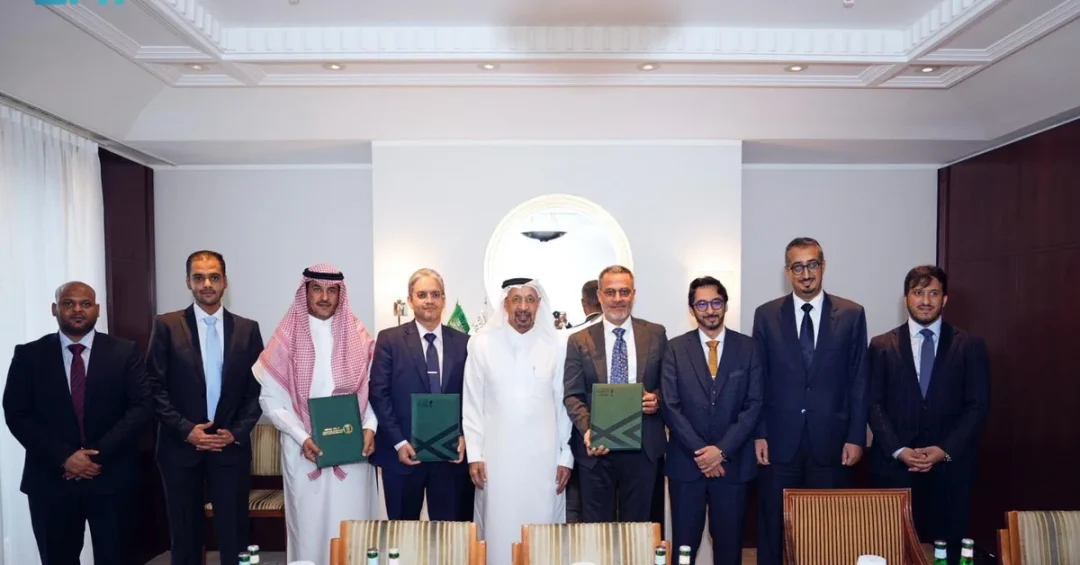
The National Center for Waste Management (MWAN) has signed a Memorandum of Understanding (MoU) with the Ministry of Investment and German company GI Aqua Tech to advance sustainable waste management solutions in the Kingdom of Saudi Arabia, according to an official announcement from the Saudi Press Agency on September 11, 2024. This partnership aims to tackle challenges within the waste management sector by introducing innovative, technology-driven approaches that align with Saudi Arabia’s broader environmental and economic goals.
Context and Background
Waste management has emerged as a critical priority under Saudi Arabia’s Vision 2030, which emphasizes sustainability, circular economy principles, and environmental stewardship. MWAN, established to regulate and develop the sector, has been actively seeking international collaborations to modernize infrastructure and reduce landfill dependency. The involvement of GI Aqua Tech, a German firm with expertise in sustainable technologies, highlights the Kingdom’s commitment to leveraging global expertise for local challenges.
Key Details of the Partnership
The MoU creates a €150 million investment opportunity, with a focus on deploying cutting-edge waste processing technologies and fostering a circular economy model. This initiative is projected to generate 2,000 direct and indirect job opportunities, supporting social and economic development. The agreement reflects a coordinated effort among Saudi government entities, including MWAN and the Ministry of Investment, to attract foreign investment and enhance the Kingdom’s waste management capacity.
Implications and International Impact
This partnership positions Saudi Arabia as a regional leader in sustainable waste management, setting a benchmark for other nations in the Gulf and Middle East. By integrating German technological expertise, the Kingdom can accelerate its transition toward zero-waste goals and reduce environmental impact. The deal also strengthens Saudi-German economic ties, opening avenues for further collaboration in green technologies and industrial innovation.
Vision 2030 Alignment
The MoU directly supports Vision 2030’s objectives by promoting environmental sustainability, diversifying the economy, and creating meaningful employment for Saudi citizens. As the Kingdom progresses toward a greener future, partnerships like this demonstrate how strategic investments and international cooperation can drive tangible progress in waste reduction and resource recovery, reinforcing Saudi Arabia’s role as a global hub for sustainable development.
20 Questions
Q1. What is the National Center for Waste Management (MWAN)?
A1. MWAN is the Saudi government body responsible for regulating, developing, and overseeing the waste management sector, focusing on sustainability and advanced technologies.
Q2. Who signed the MoU with MWAN?
A2. The MoU was signed between MWAN, the Ministry of Investment, and the German company GI Aqua Tech.
Q3. What is the main purpose of the MoU?
A3. The MoU aims to address waste management challenges and support the sector through new, sustainable technological solutions.
Q4. How much investment does the MoU create?
A4. The agreement establishes a €150 million investment opportunity to boost promising investments in waste management.
Q5. How many jobs will this partnership generate?
A5. It is expected to create 2,000 job opportunities, contributing to social and economic development.
Q6. What technology does GI Aqua Tech bring to the partnership?
A6. GI Aqua Tech specializes in sustainable technologies, particularly in waste treatment and circular economy solutions.
Q7. When was the MoU announced?
A7. The MoU was announced on September 11, 2024, according to the Saudi Press Agency.
Q8. How does this partnership support Saudi Arabia’s environment?
A8. It promotes sustainable waste management, reducing landfill use and advancing the circular economy.
Q9. Is this part of a larger Saudi initiative?
A9. Yes, it aligns with Vision 2030, which prioritizes environmental sustainability and economic diversification.
Q10. What is the role of the Ministry of Investment?
A10. The Ministry facilitates foreign investment and coordinates with other entities to attract capital for strategic sectors.
Q11. Why is Germany involved in this project?
A11. Germany is known for advanced environmental technologies, and the partnership leverages its expertise for Saudi needs.
Q12. What sectors will benefit from the new jobs?
A12. Jobs will be in waste management, technology deployment, and related service industries.
Q13. How does this impact regional waste management?
A13. It sets a benchmark for sustainable practices, encouraging other Gulf nations to adopt similar solutions.
Q14. What is a circular economy?
A14. A circular economy focuses on reusing resources, reducing waste, and minimizing environmental impact through recycling and recovery.
Q15. Will the partnership include training programs?
A15. Likely yes, as job creation often involves skill development for local workers in new technologies.
Q16. What challenges in waste management does the MoU address?
A16. It targets inefficiencies, lack of advanced technology, and inadequate recycling infrastructure.
Q17. Is this MWAN’s first international partnership?
A17. No, MWAN has engaged in several global collaborations to modernize the sector.
Q18. How will the investment be used?
A18. The €150 million will fund technological upgrades, infrastructure projects, and operational improvements.
Q19. What is the expected timeline for the project?
A19. Specific dates are not disclosed, but implementation will follow standard MoU procedures and agreements.
Q20. How does this support Vision 2030?
A20. It advances environmental sustainability, economic diversification, and job creation in alignment with Vision 2030 goals.
Reader Feedback
We value your thoughts. Please share your feedback on this article.
Your feedback helps us improve our coverage.