


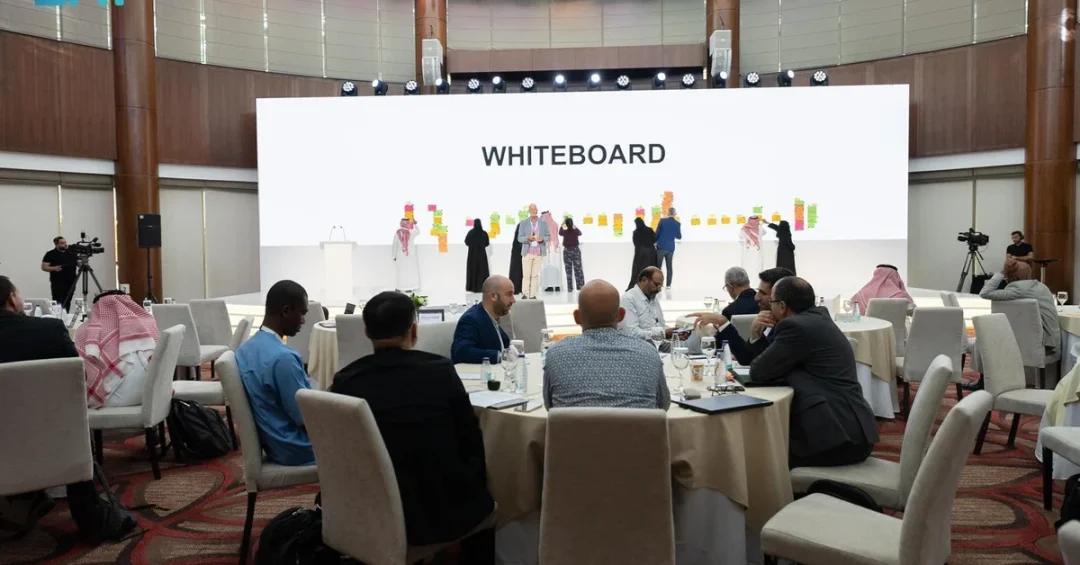
The National Center for Vegetation Cover and Combating Desertification (NCVC), in collaboration with the Ministry of Environment, Water, and Agriculture, the United Nations Convention to Combat Desertification (UNCCD), and the United Nations Development Programme (UNDP), has concluded a groundbreaking workshop in Riyadh titled “Monitoring Land Productivity Dynamics and Trends in Soil Organic Carbon Stocks in Hyper-Arid Environments.” Held from August 26 to 28, 2024, the event brought together local and international experts to address the unique challenges of land degradation monitoring in hyper-arid regions, as announced by the NCVC via the Saudi Press Agency.
Context and Background
Land degradation poses a critical global challenge, threatening food security, biodiversity, and climate resilience. Hyper-arid environments, such as those found across much of Saudi Arabia, present particular difficulties due to extreme climatic conditions that render standard global monitoring indicators ineffective. The workshop aimed to bridge this gap by fostering dialogue on alternative methodologies and innovative solutions tailored to these fragile ecosystems, reinforcing Saudi Arabia’s commitment to environmental stewardship under Vision 2030.
Key Details from the Workshop
Dr. Osama Faqeeha, Deputy Minister for Environment at the Ministry of Environment, Water, and Agriculture, emphasized in his keynote address that land is a fundamental pillar for food security and a safe habitat, storing three times the carbon found in the atmosphere. He highlighted the need to build knowledge bases and leverage science to tackle this challenge. Dr. Khaled Al-Abdulkader, CEO of the NCVC, stressed the urgency of improving existing methodologies, noting that global key indicators are unsuitable for hyper-arid zones. Over three days, participants explored topics including the global approach to land degradation monitoring, sustainable development goals, and the Land Degradation Neutrality (LDN) framework. Subgroup discussions developed pathways for a dedicated monitoring project, emphasizing the importance of a global network for hyper-arid ecosystems.
Implications and International Impact
The workshop’s outcomes are directly linked to Saudi Arabia’s upcoming hosting of COP16 of the UNCCD in Riyadh from December 2 to 13, 2024. This will be the first such conference in the Middle East and the largest multilateral event ever hosted by the Kingdom, with 196 countries participating. Dr. Faqeeha underscored that significant decisions and ambitious outcomes will be sought to enhance international efforts in reducing land degradation and its economic losses. The event will also feature a Gender Caucus and a Business for Land Forum, with the NCVC organizing the second edition of the Greening Arabia Forum & Exhibition on its sidelines.
Vision 2030 Alignment
This initiative aligns seamlessly with Saudi Arabia’s Vision 2030 and the Saudi Green Initiative, which aim to rehabilitate degraded environments, protect vegetation cover, and combat desertification. The NCVC’s ongoing work in monitoring, reforestation, and sustainable land management supports these goals, positioning the Kingdom as a global leader in environmental innovation. The workshop exemplifies how targeted research and international collaboration can drive tangible progress toward a greener, more resilient future.
20 Questions
Q1. What was the main focus of the NCVC workshop?
A1. The workshop focused on monitoring land productivity dynamics and trends in soil organic carbon stocks in hyper-arid environments, addressing challenges and developing tailored methodologies.
Q2. Who organized the workshop?
A2. It was organized by the National Center for Vegetation Cover and Combating Desertification (NCVC) in collaboration with the Ministry of Environment, Water, and Agriculture, UNCCD, and UNDP.
Q3. When and where did the workshop take place?
A3. The workshop was held in Riyadh from August 26 to 28, 2024, as announced by the Saudi Press Agency.
Q4. Why are hyper-arid environments a challenge for monitoring land degradation?
A4. Extreme climatic conditions in hyper-arid environments render globally used key indicators ineffective for measuring land degradation, requiring specialized methodologies.
Q5. What did Dr. Osama Faqeeha emphasize in his speech?
A5. Dr. Faqeeha highlighted that land degradation is a global challenge, with land serving as a pillar for food security and storing three times the carbon found in the atmosphere.
Q6. What role does land play in mitigating climate change according to the workshop?
A6. Land stores significant carbon reserves, helping mitigate climate change effects, and supports food security and safe habitats.
Q7. What did Dr. Khaled Al-Abdulkader stress about current monitoring methods?
A7. He stressed the necessity of improving existing methodologies for hyper-arid environments, as global indicators are unsuitable in extreme conditions.
Q8. How long did the workshop last?
A8. The workshop lasted three days, covering topics from monitoring approaches to developing specialized solutions.
Q9. What is the Land Degradation Neutrality (LDN) framework mentioned?
A9. LDN is a framework used to help achieve national and regional goals by balancing land degradation with restoration efforts.
Q10. What is the significance of the upcoming COP16 for Saudi Arabia?
A10. COP16, hosted in Riyadh from December 2 to 13, 2024, is the first in the Middle East and the largest multilateral event in the Kingdom with 196 countries.
Q11. What decisions are expected at COP16?
A11. Significant decisions and ambitious outcomes will focus on enhancing international efforts to reduce land degradation and its environmental and economic losses.
Q12. What is the Greening Arabia Forum & Exhibition?
A12. It is the second edition of an international exhibition and forum on afforestation technologies, organized by NCVC alongside COP16 to promote vegetation cover.
Q13. How does the workshop support the Saudi Green Initiative?
A13. The workshop promotes joint cooperation and expertise exchange to achieve sustainable development and enhance quality of life in line with the initiative’s goals.
Q14. What role does the NCVC play in the Kingdom?
A14. The NCVC develops and protects vegetation cover, monitors and rehabilitates degraded environments, combats illegal logging, and supervises rangelands and forests.
Q15. What were the main topics covered in the workshop?
A15. Topics included global monitoring approaches, specific indicators for hyper-arid environments, sustainable development goals, and alternative methodologies.
Q16. Why is soil organic carbon important in this context?
A16. Soil organic carbon is a key indicator of land health and productivity, and monitoring its trends helps assess land degradation and restoration efforts.
Q17. How many participants attended the workshop?
A17. The workshop was attended by numerous local and international experts and specialists, though specific attendance numbers were not disclosed.
Q18. What is the goal of establishing a global monitoring network for hyper-arid ecosystems?
A18. A global network aims to standardize monitoring, share data, and develop effective strategies for land degradation in hyper-arid regions.
Q19. How does the workshop align with Vision 2030?
A19. It supports Vision 2030 by enhancing environmental sustainability, promoting innovation, and positioning Saudi Arabia as a leader in land restoration and climate action.
Q20. What is the expected outcome of the specialized project discussed?
A20. The project aims to create methodologies for monitoring hyper-arid environments, enabling more accurate assessment and effective land restoration measures.
Reader Feedback
We value your thoughts. Please share your feedback on this article.
Your feedback helps us improve our coverage.