


Prince Mohammed bin Salman Royal Reserve has announced the discovery of five species previously unknown to global science, alongside three species newly recorded in Saudi Arabia and 34 global range extensions. The findings, released on December 15, 2024, by the Saudi Press Agency, result from four years of intensive ecological baseline studies conducted by Saudi and international experts. Despite covering just 1% of the Kingdom’s terrestrial area, the reserve now hosts 791 terrestrial species, representing more than half of Saudi Arabia’s terrestrial biodiversity, underscoring its significance as a global conservation priority.
Context and Background
The discoveries highlight the reserve’s role as a bioclimatic refugium, a sanctuary for species under pressure from climate change and habitat loss. Chief Executive Officer Andrew Zaloumis emphasized the timing, noting that the International Union for Conservation of Nature (IUCN) has warned 28% of species globally face extinction. The iconic Wadi Al-Disah, with over 200 documented species, is on UNESCO’s tentative list for World Heritage Bioclimatic Refugia of Western Arabia. The studies involved natural scientists from Saudi Arabia and 14 other countries, showcasing international collaboration aligned with Vision 2030 goals for environmental stewardship.
Key Details
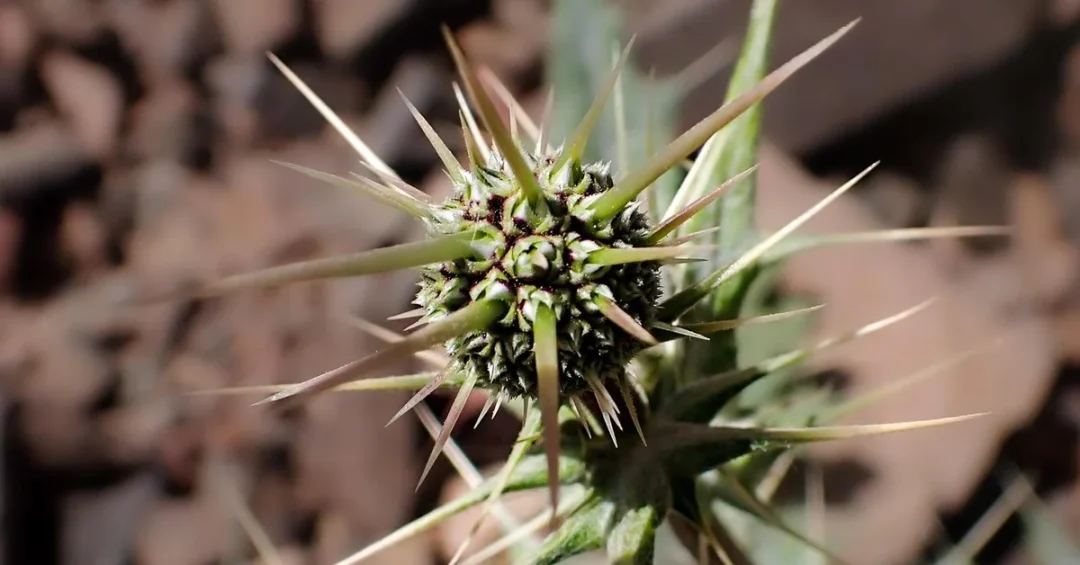
Among the new species are two reptiles: a gecko (Hemidactylus sp.) with distinctive brown stripes and white nodules, which preys on small invertebrates like mosquitoes, aiding natural pest control; and the Hejaz black-collared snake (Rhynchocalamus hejazicus), a non-venomous, bright red snake with a black collar. Three plants new to science are the globe thistle (Echinops sp. aff. glaberrimus), traditionally used medicinally; the mignonette (Reseda sp. aff. muricata), valued in teas and perfumery; and the hogbean (Hyoscyamus sp.), historically used in both poison and early medicine. The surveys also recorded 461 plant species, 240 bird species, 39 reptile species, 18 bat species, 31 mammal species, and others.
Implications and Impact
These findings enhance global understanding of biodiversity in arid ecosystems and support conservation planning. Since 2021, partnerships with organizations like King Abdullah University of Science and Technology (KAUST) enabled seasonal ecological surveys to document biodiversity across taxa. Senior Restoration and Wildlife Ecologist Josh Smithson noted the phased approach, starting with high-value ecological areas before expanding. The reserve has published four peer-reviewed papers, with four more pending, contributing to local and global scientific knowledge.
Vision 2030 Alignment
The discoveries directly support Saudi Vision 2030 by advancing environmental sustainability, biodiversity conservation, and international scientific cooperation. By protecting unique ecosystems like Wadi Al-Disah, the reserve strengthens the Kingdom’s position as a leader in regional conservation and a hub for global research. As climate change intensifies, such refugia become vital, ensuring Saudi Arabia’s natural heritage is preserved for future generations while fostering ecotourism and scientific collaboration under the Vision 2030 framework.
20 Questions
Q1. What did the Prince Mohammed bin Salman Royal Reserve announce?
A1. The reserve announced the discovery of five species new to global science, three species new to Saudi Arabia, and 34 global range extensions, based on four years of ecological studies.
Q2. How many terrestrial species are now recorded in the reserve?
A2. The total number of terrestrial species identified in the reserve is 791, highlighting its role as a biodiversity hotspot within Saudi Arabia.
Q3. What percentage of Saudi Arabia’s land area does the reserve cover?
A3. The reserve covers just 1% of Saudi Arabia’s terrestrial area but hosts more than 50% of the Kingdom’s terrestrial species.
Q4. Who led the ecological baseline studies?
A4. The studies were led by Saudi and international experts over four years, with collaboration from natural scientists from Saudi Arabia and 14 other countries.
Q5. What is a bioclimatic refugium?
A5. A bioclimatic refugium is a sanctuary area where species can survive and thrive as climate change alters traditional habitats, offering protection from extinction.
Q6. Which site in the reserve is on UNESCO’s tentative list?
A6. The iconic Wadi Al-Disah, with over 200 documented species, is on UNESCO’s tentative list for the World Heritage Bioclimatic Refugia of Western Arabia.
Q7. What are the two new reptile species discovered?
A7. The two new reptile species are a gecko (Hemidactylus sp.) and the Hejaz black-collared snake (Rhynchocalamus hejazicus), both non-venomous.
Q8. What is unique about the new gecko species?
A8. The gecko has distinctive brown horizontal stripes from neck to tail and white nodules along its back, playing a vital role in pest control by preying on mosquitoes.
Q9. Is the Hejaz black-collared snake venomous?
A9. No, the Hejaz black-collared snake is non-venomous, small, and bright red with a striking black collar.
Q10. What are the three new plant species?
A10. The three plants are the globe thistle (Echinops sp.), the mignonette (Reseda sp.), and the hogbean (Hyoscyamus sp.), each with ecological or cultural significance.
Q11. What is the globe thistle used for historically?
A11. The globe thistle has been used medicinally for infections and inflammation, and its vibrant blooms support pollinators.
Q12. How is the mignonette plant valued?
A12. The mignonette is valued for its herbal properties and is commonly used in teas and perfumery.
Q13. What is the hogbean’s historical significance?
A13. The hogbean has a complex history, having been used both as a poison and in early anesthesiology and palliative care.
Q14. How many plant species were recorded in the surveys?
A14. The surveys recorded 461 plant species, including three new to science, one new to Saudi Arabia, and 11 global range extensions.
Q15. How many bird species were documented in the reserve?
A15. The surveys documented 240 bird species, including seven global range extensions.
Q16. Which organization partnered with the reserve for ecological surveys?
A16. The reserve partnered with King Abdullah University of Science and Technology (KAUST) since 2021 for seasonal ecological surveys.
Q17. Who commented on the challenges of surveying the reserve?
A17. Senior Restoration and Wildlife Ecologist Josh Smithson commented on the challenges, noting the reserve’s vast size required a phased approach.
Q18. How many peer-reviewed papers has the reserve published?
A18. The reserve has published four peer-reviewed academic papers on its biodiversity, with four additional papers awaiting publication.
Q19. What is the reserve’s commitment regarding its findings?
A19. The reserve remains committed to sharing its findings with the local and global scientific and conservation community.
Q20. How do these discoveries support Saudi Vision 2030?
A20. These discoveries advance Vision 2030 by enhancing environmental sustainability, biodiversity conservation, and international scientific cooperation, positioning Saudi Arabia as a leader in regional conservation.
Reader Feedback
We value your thoughts. Please share your feedback on this article.
Your feedback helps us improve our coverage.