


The Rabigh Governorate, located 140 kilometers north of Jeddah, has emerged as a leading model of water sustainability in the Kingdom of Saudi Arabia, blending centuries-old traditions with cutting-edge desalination technology. Historically reliant on expertly crafted underground cisterns made from durable marine stones sourced along the Red Sea coast, the region has transformed its water management approach to meet modern demands. The Saudi Press Agency (SPA) reports that Rabigh now stands as a testament to the Kingdom’s commitment to securing water resources for its citizens, pilgrims, and future generations.
Context and Background
For centuries, Rabigh’s water security depended on ancient cisterns—underground tanks resistant to the effects of sea humidity—that provided pure drinking and irrigation water for up to three months at a time. These systems benefited not only local residents but also pilgrims and travelers journeying to the holy cities of Makkah and Madinah. This historical ingenuity laid the foundation for Rabigh’s modern advancements in water resource management.
Key Details
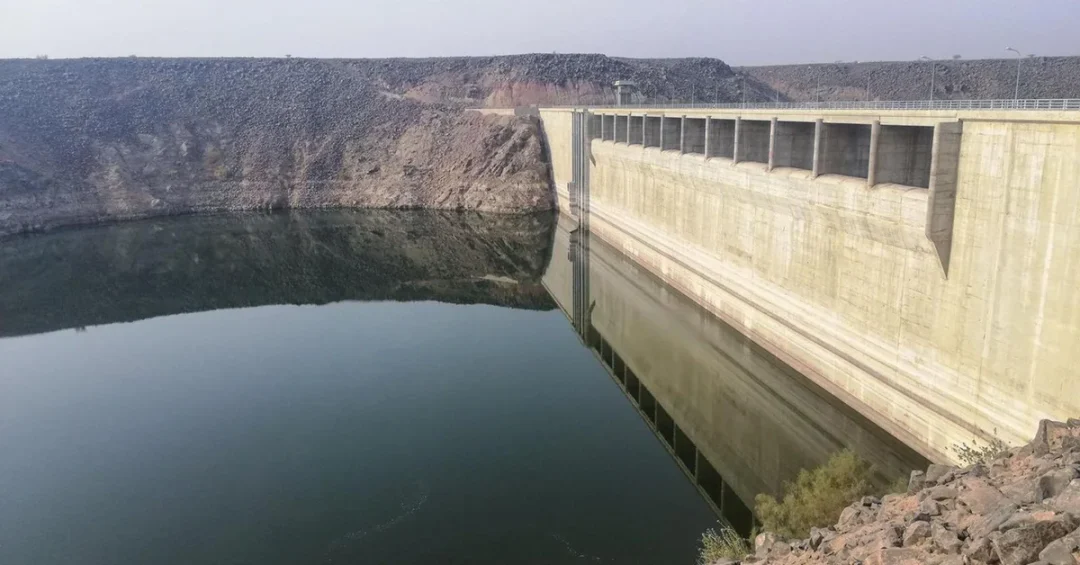
In recent years, Rabigh has embraced innovative water technologies. The Wadi Rabigh Dam, completed in 2009, captures rainwater for agricultural use, supporting food security and local farming. Meanwhile, advanced desalination plants have been established, including the Rabigh 3 Independent Water Plant (IWP), which, according to Guinness World Records™, is the world’s largest reverse osmosis desalination facility. The Energy and Water Academy in Rabigh plays a crucial role by offering vocational training programs that equip young Saudis with specialized skills for careers in water treatment and desalination.
Implications and Impact
Rabigh’s integrated approach to water sustainability has significant regional and international implications. By combining historical preservation with modern infrastructure, the governorate provides a replicable blueprint for arid regions facing water scarcity. The successful operation of the Rabigh 3 IWP highlights Saudi Arabia’s leadership in reverse osmosis technology, which offers energy-efficient and environmentally conscious desalination solutions. The development of local expertise through the Energy and Water Academy also strengthens the Kingdom’s human capital, aligning with efforts to diversify the economy.
Vision 2030 Alignment
The transformation of Rabigh into a model of water sustainability directly supports the goals of Saudi Vision 2030, particularly in the areas of environmental stewardship, economic diversification, and human capacity building. By balancing the preservation of historical water landmarks with the adoption of world-leading technologies, the Kingdom is ensuring a secure and sustainable water future for its residents and visitors, reinforcing its global role as a leader in resource management and innovation.
20 Questions
Q1. Where is Rabigh Governorate located?
A1. Rabigh Governorate is located approximately 140 kilometers north of Jeddah, along the Red Sea coast of the Kingdom of Saudi Arabia.
Q2. What is the historical significance of Rabigh’s water systems?
A2. For centuries, Rabigh relied on ancient, expertly crafted underground cisterns made from durable marine stones that provided pure drinking and irrigation water for up to three months.
Q3. How did Rabigh’s cisterns benefit pilgrims?
A3. The cisterns provided a reliable source of fresh water for pilgrims and travelers journeying to the holy cities of Makkah and Madinah.
Q4. What modern dam supports agriculture in Rabigh?
A4. The Wadi Rabigh Dam, completed in 2009, captures rainwater for agricultural use, supporting local farming and food security.
Q5. What is the Rabigh 3 IWP?
A5. The Rabigh 3 Independent Water Plant (IWP) is the world’s largest reverse osmosis desalination facility, as recognized by Guinness World Records™.
Q6. What technology does the Rabigh 3 IWP use?
A6. The facility uses reverse osmosis technology, a highly efficient and environmentally friendly method for desalinating seawater.
Q7. What is the role of the Energy and Water Academy in Rabigh?
A7. The academy offers vocational training programs to equip young Saudis with specialized skills for careers in the water treatment and desalination industry.
Q8. How does Rabigh balance tradition and innovation?
A8. By preserving its historical water landmarks, such as the ancient cisterns, while adopting modern technologies like the Rabigh 3 IWP and the Wadi Rabigh Dam.
Q9. What material were the ancient cisterns made from?
A9. They were expertly crafted from durable marine stones found along the Red Sea coast, which are naturally resistant to the effects of sea humidity.
Q10. How long could water remain pure in the cisterns?
A10. Water stored in the ancient cisterns could remain pure for up to three months.
Q11. What is the primary purpose of the Wadi Rabigh Dam?
A11. The dam’s primary purpose is to capture rainwater for agricultural use, helping to support local food production.
Q12. How does the Rabigh 3 IWP contribute to water supply?
A12. As the world’s largest reverse osmosis plant, it significantly boosts the fresh water supply for Rabigh and surrounding areas.
Q13. Who operates the Energy and Water Academy?
A13. The academy is operated under the framework of Saudi Arabia’s energy and water sector to train local talent.
Q14. What skill sets does the academy develop?
A14. The academy develops skills in water treatment, desalination operations, and maintenance, supporting the industry’s workforce.
Q15. Does Rabigh’s model apply only to Saudi Arabia?
A15. No, its blend of historical and modern water management provides a replicable blueprint for arid regions worldwide.
Q16. Why is Rabigh called a model of water sustainability?
A16. Because it successfully integrates ancient water storage methods with modern desalination and dam infrastructure, ensuring long-term water security.
Q17. How does Rabigh’s water management support Vision 2030?
A17. It supports Vision 2030 by promoting environmental stewardship, economic diversification, and human capital development through training and innovation.
Q18. What is reverse osmosis?
A18. Reverse osmosis is a water purification technology that uses a semi-permeable membrane to remove ions, molecules, and larger particles from seawater.
Q19. Are Rabigh’s historical water landmarks still preserved?
A19. Yes, the governorate actively preserves its ancient cisterns as part of its cultural heritage while modernizing its water systems.
Q20. What international recognition has Rabigh’s desalination plant received?
A20. The Rabigh 3 IWP holds the Guinness World Record™ for being the world’s largest reverse osmosis desalination facility.
Reader Feedback
We value your thoughts. Please share your feedback on this article.
Your feedback helps us improve our coverage.