


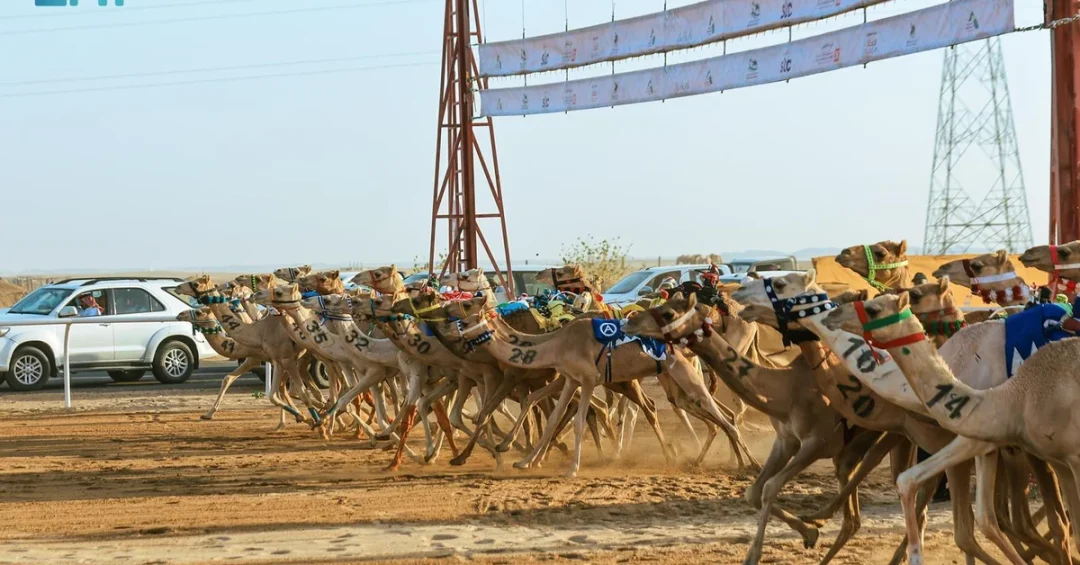
The Riyadh International Book Fair 2024 hosted a significant lecture on October 2, 2024, exploring the profound impact of camels on Arab history and culture. The session was delivered by Turki bin Al-Ghanami, a member of the board of directors of the Saudi Society for Camel Studies, and drew attention to the deep historical bond between Arabs and camels.
Context and Background
Camels have been central to the Arabian Peninsula for millennia, serving not only as a mode of transport but also as a cornerstone of economic and social life. The lecture at the book fair provided an academic perspective on how this animal shaped Arab identity, trade, and survival. The event aligns with Saudi Arabia’s broader efforts to preserve and promote its cultural heritage as part of Vision 2030.
Key Details
Al-Ghanami emphasized that Arabs have not coexisted with any animal as intimately as they have with camels, marking a significant turning point in their history. He noted that camels influenced Arab characteristics, with traits such as fierceness, gentleness, loyalty, and territoriality being inherited from them. He also highlighted that Arabs take pride in being compared to camels, viewing it as a positive attribute rather than a negative one.
The lecturer detailed how the reliance on camels facilitated the growth of trade, expanding across land and sea borders from the southernmost part of the Arabian Peninsula to beyond the Mediterranean Sea basin. Camels enabled trade routes such as the Incense Road and the Silk Road to flourish, while camel milk and meat became staple foods that improved Arab livelihoods.
Implications and Impact
The lecture underscores the enduring cultural significance of camels in Saudi Arabia and the Arab world. Events like this at the Riyadh International Book Fair help preserve traditional knowledge and foster a deeper understanding of regional heritage. By highlighting the camel’s role in historical trade and daily life, the discussion connects past achievements with modern aspirations for cultural tourism and economic diversification.
Vision 2030 Alignment
The Riyadh International Book Fair 2024, including this lecture on camels, reflects the Kingdom’s commitment to cultural enrichment and heritage preservation under Vision 2030. By sharing such insights with an international audience, Saudi Arabia fosters a deeper appreciation of its history while promoting its role as a hub for knowledge and culture. The event demonstrates how traditional elements like camels remain relevant in shaping a forward-looking national identity.
20 Questions
Q1. What was the main topic of the lecture at the Riyadh International Book Fair 2024?
A1. The lecture focused on the role of camels in Arab history and culture, exploring their impact on trade, identity, and daily life in the Arabian Peninsula.
Q2. Who delivered the lecture on camels?
A2. The lecture was delivered by Turki bin Al-Ghanami, a member of the board of directors of the Saudi Society for Camel Studies.
Q3. Where did the lecture take place?
A3. The lecture took place at the Riyadh International Book Fair 2024, an annual event in Riyadh, Saudi Arabia, showcasing literature and culture.
Q4. What is the Saudi Society for Camel Studies?
A4. The Saudi Society for Camel Studies is an organization dedicated to researching and preserving the cultural, historical, and biological significance of camels in Saudi Arabia.
Q5. How did camels influence Arab characteristics according to the lecture?
A5. Al-Ghanami noted that camels influenced Arab traits such as fierceness, gentleness, jealousy, vindictiveness, and loyalty to territory, and that Arabs take pride in these similarities.
Q6. Why do Arabs view being compared to camels positively?
A6. Arabs view the comparison positively because camels symbolize strength, endurance, and loyalty, which are valued traits in Arab culture and identity.
Q7. What historical turning point did Al-Ghanami highlight regarding camels?
A7. He highlighted that the coexistence between Arabs and camels marked a significant turning point in Arab history, as it transformed trade, diet, and livelihoods.
Q8. How did camels affect Arab trade routes?
A8. Camels enabled trade routes like the Incense Road and Silk Road to flourish, expanding commerce from the Arabian Peninsula to the Mediterranean region.
Q9. What role did camels play in Arab diets?
A9. Camels provided milk and meat as staple foods, which improved livelihoods and supported the survival of communities in the harsh desert environment.
Q10. Did camels only impact trade and diet?
A10. No, camels became deeply ingrained in the Arab psyche, becoming partners in all aspects of daily life, including culture, poetry, and social traditions.
Q11. How does this lecture relate to Vision 2030?
A11. The lecture supports Vision 2030 by promoting cultural heritage preservation and education, aligning with the Kingdom’s goal of diversifying its economy through cultural tourism.
Q12. What is the Riyadh International Book Fair?
A12. It is an annual event in Riyadh that brings together publishers, authors, and readers to promote literature, knowledge, and cultural exchange, often including lectures and discussions.
Q13. Who organized the lecture at the book fair?
A13. The lecture was organized as part of the Riyadh International Book Fair 2024 program, in partnership with cultural institutions like the Saudi Society for Camel Studies.
Q14. What is the significance of camels in Arab history?
A14. Camels were essential for transport, trade, and survival in the desert, shaping economic and social structures in the Arabian Peninsula for centuries.
Q15. How do camels connect to Arab identity today?
A15. Camels remain a symbol of Arab heritage, featured in festivals, poetry, and cultural events, reflecting pride in Bedouin traditions and resilience.
Q16. Were camels used only in the Arabian Peninsula?
A16. No, through trade routes, camels facilitated exchanges across Africa, Asia, and Europe, influencing cultures beyond the Arabian Peninsula.
Q17. What is the Incense Road mentioned in the lecture?
A17. The Incense Road was an ancient trade route used for transporting frankincense and myrrh, with camels playing a key role in its success across Arabia.
Q18. How did camels help expand Arab borders?
A18. Camels allowed Arab traders to travel long distances across deserts and seas, expanding economic influence from southern Arabia to the Mediterranean basin.
Q19. Is camel research ongoing in Saudi Arabia?
A19. Yes, organizations like the Saudi Society for Camel Studies continue to research camel genetics, history, and cultural impact, supporting heritage preservation.
Q20. What can visitors learn at the book fair about camels?
A20. Visitors can learn about camels’ historical and cultural significance through lectures, exhibits, and publications available at the fair, deepening their understanding of Saudi heritage.
Reader Feedback
We value your thoughts. Please share your feedback on this article.
Your feedback helps us improve our coverage.