
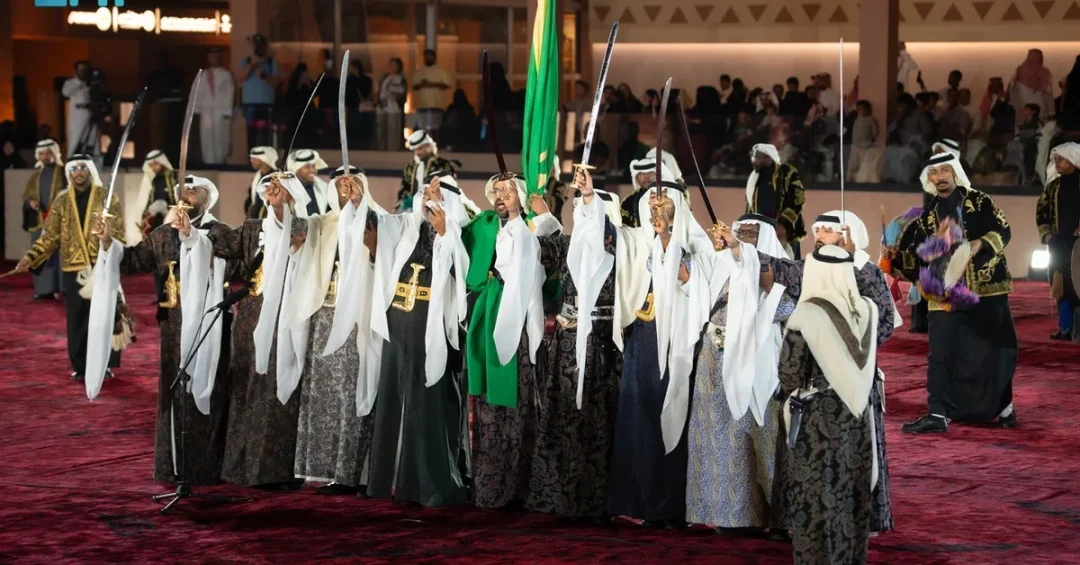
The Royal Commission for Riyadh City (RCRC) and the Principality of Riyadh Region launched official Founding Day celebrations on Saturday, February 15, 2026, at Al-Adl Square in the historic Qasr Al-Hukm District. The event, part of nationwide commemorations, offers the public a rich program of cultural and heritage activities designed to showcase the journey of the Saudi state, from its founding to the modern era under the leadership of Custodian of the Two Holy Mosques King Salman bin Abdulaziz Al Saud. Entry to the celebrations is free via the WeBook platform.
Context and Background
Founding Day, observed annually on February 22, is a pivotal national occasion that honors the establishment of the First Saudi State in 1727 by Imam Mohammed bin Saud in Diriyah. The celebrations organized in Riyadh’s historic core are particularly significant, as the city serves as the modern capital and a living symbol of the nation’s unity and progress. By hosting the event at Al-Adl Square within the Qasr Al-Hukm District—the traditional seat of governance—the authorities create a powerful link between the nation’s deep historical roots and its contemporary identity. This approach aligns with a broader national effort to foster cultural awareness and pride among citizens and residents, while also presenting Saudi heritage to an international audience.
Key Details of the Celebrations
According to the official announcement carried by the Saudi Press Agency (SPA), the program is meticulously designed to offer an immersive educational and celebratory experience. A central feature is a documentary-style exhibition that traces the stages of Saudi statehood. This visual journey covers the First and Second Saudi States, the founding of the modern Kingdom of Saudi Arabia in 1932, and culminates in the present prosperous era. The exhibition utilizes interactive experiences along a structured pathway, allowing visitors to engage directly with key historical milestones. Beyond the exhibition, the square comes alive with cultural performances, including the traditional Saudi Ardah dance. Visitors can also explore displays of traditional handicrafts and clothing, participate in interactive Ardah learning sessions, and engage in photography and falconry activities. Dedicated programs ensure that the celebrations are family-friendly and accessible to children.
Implications and Cultural Impact
The scale and location of these celebrations underscore the Kingdom’s commitment to preserving and promoting its national identity. By transforming a central public square into a hub of living heritage, the event makes history tangible and relevant. This public-facing cultural diplomacy serves multiple purposes: it strengthens social cohesion, educates younger generations, and offers visitors a nuanced understanding of the values that have sustained the Saudi state for nearly three centuries. For the international community, events like this provide a window into Saudi Arabia’s rich cultural tapestry beyond economic headlines, showcasing a society that is confidently embracing its past while building its future. The use of the digital WeBook platform for free registration further demonstrates a modern, accessible approach to public engagement.
Vision 2030 Alignment
This celebration directly supports the cultural and quality-of-life objectives outlined in Saudi Vision 2030. The transformation of Al-Adl Square into a vibrant cultural venue aligns with the vision’s goal of developing vibrant societies and promoting cultural heritage as a pillar of national strength. By activating historic districts like Qasr Al-Hukm, the Royal Commission for Riyadh City is not only preserving history but also enhancing the urban experience for residents and visitors—a key aim of the vision’s