


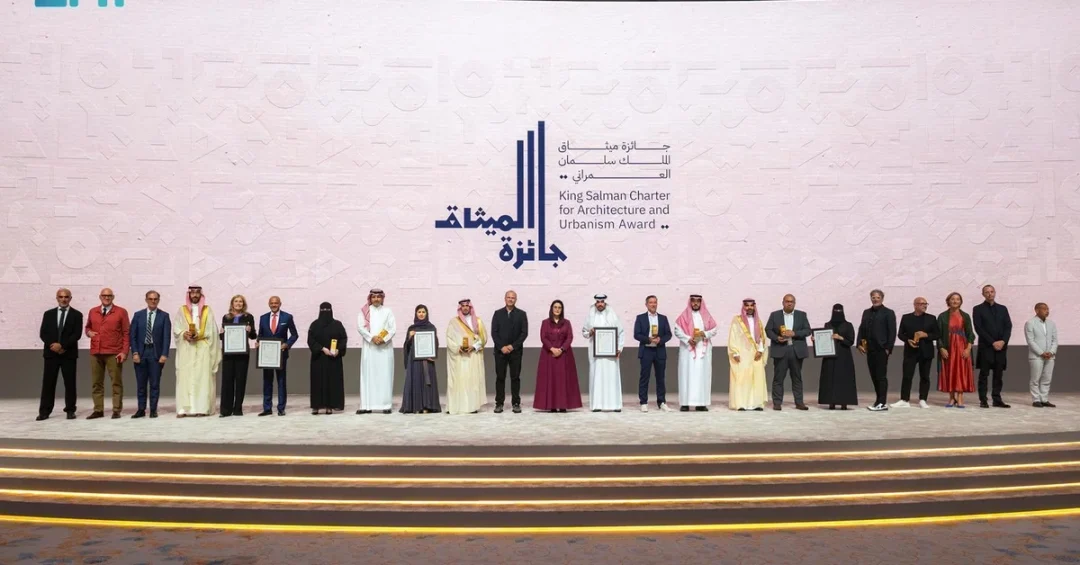
The Architecture and Design Commission of Saudi Arabia has crowned the winners of the first session of the King Salman Charter for Architecture and Urbanism Award, a prestigious initiative under the patronage of the Custodian of the Two Holy Mosques, King Salman bin Abdulaziz Al Saud. The announcement took place during a closing ceremony on August 13, 2024, in Riyadh, marking a significant milestone in the Kingdom’s efforts to promote architectural excellence rooted in cultural identity and sustainable urban development, in alignment with the goals of Vision 2030.
Context and Background
The King Salman Charter for Architecture and Urbanism Award is a key component of the broader King Salman Urban Charter initiative, which seeks to establish a framework for architectural and urban design that reflects Saudi Arabia’s rich heritage and forward-looking ambitions. The award aims to recognize projects that embody the charter’s six core values, including historical awareness, cultural pride, and environmental sustainability. The first session attracted a diverse range of projects from across the Kingdom, showcasing the growing emphasis on quality design and innovation in the built environment.
Key Details
During the ceremony, Dr. Sumayah Al-Solaiman, CEO of the Architecture and Design Commission, expressed gratitude to King Salman bin Abdulaziz Al Saud and His Royal Highness Prince Mohammed bin Salman bin Abdulaziz Al Saud, Crown Prince and Prime Minister, for their unwavering support of the architecture and design sector. She also acknowledged the efforts of Minister of Culture Prince Badr bin Abdullah bin Farhan Al Saud in elevating Saudi culture globally. The event featured a keynote speech by Dr. Adrian Lahoud, Dean of the School of Architecture at the Royal College of Art in London, and an exhibition highlighting the historical vision of King Salman during his tenure as Governor of the Riyadh Region.
Implications and Impact
The recognition of nine winning projects across three categories—Built Projects, Unbuilt Projects, and University Student Projects—underscores Saudi Arabia’s commitment to fostering creativity and expertise in architecture. Winners in the Built Projects category include iconic landmarks such as the King Abdulaziz Center for World Culture (Ithra) in Dhahran and the KAFD Grand Mosque in Riyadh, while the Unbuilt Projects category honored the Sports Boulevard project and the Mihrab initiative, which aims to establish prayer areas along travel routes nationwide. These projects not only enhance the Kingdom’s urban landscape but also serve as catalysts for economic growth, tourism, and community well-being.
Vision 2030 Alignment
The King Salman Charter for Architecture and Urbanism Award is a testament to Saudi Arabia’s dedication to achieving the objectives of Vision 2030 by promoting high-quality, culturally resonant urban development. By encouraging innovative architectural solutions and supporting emerging talent through the University Student Projects category, the award contributes to building a vibrant society and a diversified economy. The biennial nature of the award ensures continued momentum, inviting architects, urban planners, and students to contribute to the Kingdom’s transformation into a global hub for design and culture.
20 Questions
Q1. What is the King Salman Charter for Architecture and Urbanism Award?
A1. It is an award organized by the Architecture and Design Commission under the patronage of King Salman bin Abdulaziz Al Saud, aimed at recognizing projects that embody the charter’s values and promote quality architecture in Saudi Arabia.
Q2. Who attended the closing ceremony of the award?
A2. The ceremony was attended by officials from the Architecture and Design Commission, Minister of Culture Prince Badr bin Abdullah bin Farhan Al Saud, and international guests, including Dr. Adrian Lahoud from the Royal College of Art in London.
Q3. How many projects were awarded in the first session?
A3. The judging panel selected nine winning projects across three categories, distributed as five in Built Projects, two in Unbuilt Projects, and two in University Student Projects.
Q4. What is the significance of the King Salman Urban Charter initiative?
A4. The initiative provides a framework for architectural and urban design that emphasizes historical awareness, cultural pride, and sustainability, aligning with Saudi Arabia’s vision for modern development.
Q5. Who is Dr. Sumayah Al-Solaiman?
A5. Dr. Sumayah Al-Solaiman is the CEO of the Architecture and Design Commission, the body that organized the award ceremony and manages the charter’s implementation.
Q6. What are the six values of the charter?
A6. The charter’s six values include historical awareness, cultural pride, environmental sustainability, and other principles that guide architectural creativity and urban planning in Saudi Arabia.
Q7. Which projects won in the Built Projects category?
A7. The winners include the King Abdulaziz Center for World Culture (Ithra), Banyan Tree Resort in AlUla, Dar Al-Rahmaniah Building, KAFD Grand Mosque, and the Innovation Tower at KACST.
Q8. What is the Mihrab project?
A8. The Mihrab project, an Unbuilt Projects winner, aims to establish prayer areas along travel routes across all regions of the Kingdom, enhancing accessibility for worshippers.
Q9. How often will the award be held?
A9. The Architecture and Design Commission announced that the award will be held biennially, providing regular opportunities for recognition and participation.
Q10. What was featured at the accompanying exhibition?
A10. The exhibition highlighted King Salman’s vision during his role as Governor of Riyadh, showcased the charter’s values, and displayed shortlisted and winning projects, including an interactive virtual experience.
Q11. Who are the winners in the University Student Projects category?
A11. Abdulaziz bin Ghanem Al-Talib from King Saud University and Sadeem Al-Jibreen from the University of Sheffield won for their designs for KSGAAL and the Contemporary Neighborhood project, respectively.
Q12. What is the King Abdulaziz Center for World Culture (Ithra)?
A12. Ithra is a cultural center in Dhahran City that promotes knowledge, creativity, and cross-cultural exchange, recognized for its architectural excellence in the award.
Q13. How does the award support Vision 2030?
A13. The award supports Vision 2030 by promoting quality urban development, fostering talent, and enhancing Saudi Arabia’s global cultural standing through innovative architecture.
Q14. Who provided a speech at the ceremony?
A14. Dr. Adrian Lahoud, Dean of the School of Architecture at the Royal College of Art in London, delivered a speech at the ceremony.
Q15. What did Dr. Al-Solaiman say about the award’s future?
A15. She invited owners of distinguished urban projects, interested parties, and creative students to participate in the upcoming biennial sessions of the award.
Q16. What is the Sports Boulevard project?
A16. It is an Unbuilt Projects winner in Riyadh, focusing on creating a linear park and sports facilities to promote healthy lifestyles and community engagement.
Q17. Why is the award significant for Saudi culture?
A17. The award elevates Saudi culture by celebrating architectural designs that reflect the nation’s identity and values, as emphasized by Minister Prince Badr bin Abdullah bin Farhan Al Saud.
Q18. How were the projects evaluated?
A18. The evaluation phase included presentations from evaluators who shared their experiences and assessments of the projects, ensuring a rigorous selection process.
Q19. What is the role of the Custodian of the Two Holy Mosques in this initiative?
A19. King Salman bin Abdulaziz Al Saud patronized the award, and his historical vision as Governor of Riyadh was showcased in the exhibition, underscoring his enduring support for architecture.
Q20. How can interested individuals participate in future sessions?
A20. Interested architects, urban planners, and students are invited to submit their projects during the next biennial session, as announced by the Architecture and Design Commission.
Reader Feedback
We value your thoughts. Please share your feedback on this article.
Your feedback helps us improve our coverage.