


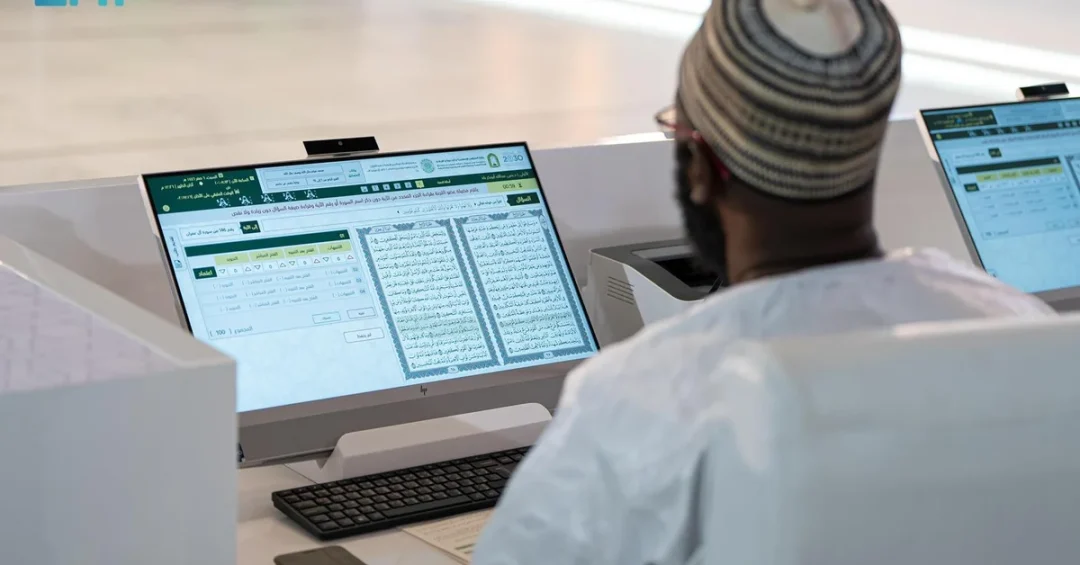
The Ministry of Islamic Affairs, Dawah, and Guidance has introduced an electronic judging system at the 44th King Abdulaziz International Competition for the Memorization, Recitation, and Interpretation of the Holy Quran, marking a significant technological leap in the administration of one of the Islamic world’s most prestigious religious events. The system was launched in Makkah on August 12, 2024, as part of the ministry’s broader digital transformation drive under Saudi Vision 2030.
Context and Background
The King Abdulaziz International Competition for the Memorization, Recitation, and Interpretation of the Holy Quran is an annual event that attracts contestants from around the globe. Now in its 44th edition, the competition has long been a cornerstone of Saudi Arabia’s efforts to promote Quranic sciences and Islamic scholarship. The introduction of an electronic judging system represents a modern approach to ensuring accuracy, transparency, and efficiency in evaluating participants’ performances, aligning the competition with the Kingdom’s technology-forward ambitions.
Key Details
The newly deployed electronic judging system offers a range of advanced features designed to streamline the contest. It can select questions from a comprehensive question bank, track Quranic verses in real time, organize contestants alphabetically, and automatically process results. The system also includes a pause timer function to assist contestants who may encounter technical or other issues during their recitation. This digital platform ensures that scoring is both accurate and transparent, reducing human error and speeding up the evaluation process. The final stages of the competition are judged by a panel of experts in Quranic sciences and recitations from Saudi Arabia, Jordan, Pakistan, and Mali, ensuring a high level of expertise and fairness.
Implications and Impact
The adoption of an electronic judging system demonstrates Saudi Arabia’s commitment to integrating cutting-edge technology into cultural and religious initiatives. This move not only enhances the credibility and efficiency of the King Abdulaziz Quran Competition but also sets a new standard for similar events globally. By leveraging digital tools, the Ministry of Islamic Affairs, Dawah, and Guidance is able to preserve the integrity of the competition while promoting broader participation, as contestants from diverse backgrounds can rely on a consistent and impartial evaluation process. The system’s ability to quickly process results and track verses electronically adds a layer of modernization that reflects the Kingdom’s focus on digital transformation across all sectors.
Vision 2030 Alignment
This digital innovation within a longstanding religious tradition underscores the Kingdom’s Vision 2030 goals of embracing technology and modernizing public services while preserving cultural and Islamic heritage. By incorporating an electronic judging system, the Ministry of Islamic Affairs, Dawah, and Guidance demonstrates how tradition and innovation can coexist, contributing to a more efficient and transparent administration of religious affairs. This development is expected to enhance Saudi Arabia’s global standing as a leader in both Islamic scholarship and technological progress, advancing the nation’s ambitions for a diversified, knowledge-based economy under Vision 2030.
20 Questions
Q1. What is the King Abdulaziz International Competition for the Memorization, Recitation, and Interpretation of the Holy Quran?
A1. It is an annual international religious competition hosted by Saudi Arabia, focused on Quran memorization, recitation, and interpretation. The 44th edition is currently taking place in Makkah, attracting participants from many countries.
Q2. Which Saudi ministry introduced the electronic judging system?
A2. The Ministry of Islamic Affairs, Dawah, and Guidance introduced the electronic judging system. The ministry oversees religious affairs and implements digital transformation in its programs as part of Vision 2030.
Q3. What is the main purpose of the new electronic judging system?
A3. The system aims to enhance accuracy, transparency, and efficiency in judging contestants. It automates question selection, verse tracking, and scoring to ensure fairness and speed in the evaluation process.
Q4. When was the electronic judging system launched?
A4. The system was introduced in Makkah on August 12, 2024, during the 44th edition of the King Abdulaziz International Competition for the Memorization, Recitation, and Interpretation of the Holy Quran.
Q5. What features does the electronic judging system offer?
A5. It includes a question bank for random selection, real-time tracking of Quranic verses, alphabetical contestant organization, a pause timer for issues, and quick processing of results to reduce delays.
Q6. How does the system improve transparency?
A6. By automating scoring and verse tracking, the system minimizes human error and bias, providing a clear and consistent evaluation process for all contestants, which builds trust in the competition.
Q7. Which countries are represented among the judges for the final stages?
A7. The final stages are judged by experts in Quranic sciences from Saudi Arabia, Jordan, Pakistan, and Mali, ensuring a diverse and knowledgeable panel.
Q8. How does the electronic judging system support contestants?
A8. It includes a pause timer function that allows contestants to stop the clock if they encounter any issues, helping them manage their time without penalty during technical difficulties.
Q9. What is the significance of the competition being in its 44th edition?
A9. The 44th edition highlights the competition’s long-standing tradition and importance in the Islamic world, demonstrating Saudi Arabia’s ongoing commitment to promoting Quranic memorization and recitation.
Q10. How does this system align with digital transformation in Saudi Arabia?
A10. The system is part of the Ministry of Islamic Affairs’ digital transformation drive, which integrates technology into religious and cultural programs to modernize services and improve efficiency.
Q11. Who announces the results of the competition?
A11. The results are processed by the electronic judging system and are typically announced by the Ministry of Islamic Affairs, Dawah, and Guidance through official channels, including the Saudi Press Agency.
Q12. What is the role of the Ministry of Islamic Affairs in this competition?
A12. The ministry organizes and oversees the competition, ensuring it runs smoothly and in line with Islamic principles. It also implements technology updates like the electronic judging system.
Q13. How does the system track Quranic verses?
A13. The system uses digital tools to monitor and verify recited verses in real time, ensuring accuracy in scoring and helping judges assess participants’ performance against the original Quranic text.
Q14. What is the global impact of this electronic judging system?
A14. The system sets a new technological standard for Quran competitions worldwide, promoting fairness and efficiency. It may inspire other countries to adopt similar digital solutions for religious events.
Q15. How does the competition support Saudi Arabia’s international image?
A15. By hosting a prestigious, well-organized competition with advanced technology, Saudi Arabia showcases its leadership in both Islamic scholarship and modernization, strengthening its global reputation.
Q16. What types of questions can the system generate?
A16. The system selects questions from a built-in question bank, covering various aspects of Quranic memorization, recitation, and interpretation, ensuring a comprehensive and fair evaluation for contestants.
Q17. Are there any other technology initiatives by the Ministry of Islamic Affairs?
A17. Yes, the ministry has implemented various digital initiatives as part of its broader transformation, including online platforms for religious services and electronic tools for managing Islamic events.
Q18. How does the system contribute to Vision 2030?
A18. It supports Vision 2030 by modernizing religious administration, promoting digital innovation, and enhancing transparency, all of which align with the Kingdom’s goals for a diversified, knowledge-based economy.
Q19. Can the system be used for other competitions?
A19. While designed for this Quran competition, the system’s features like automated scoring and question selection could potentially be adapted for other similar religious or academic contests in the future.
Q20. Where can the public find more information about the competition?
A20. The public can follow updates from the Ministry of Islamic Affairs, Dawah, and Guidance through official Saudi press releases, including those from the Saudi Press Agency, as well as the ministry’s website.
Reader Feedback
We value your thoughts. Please share your feedback on this article.
Your feedback helps us improve our coverage.