
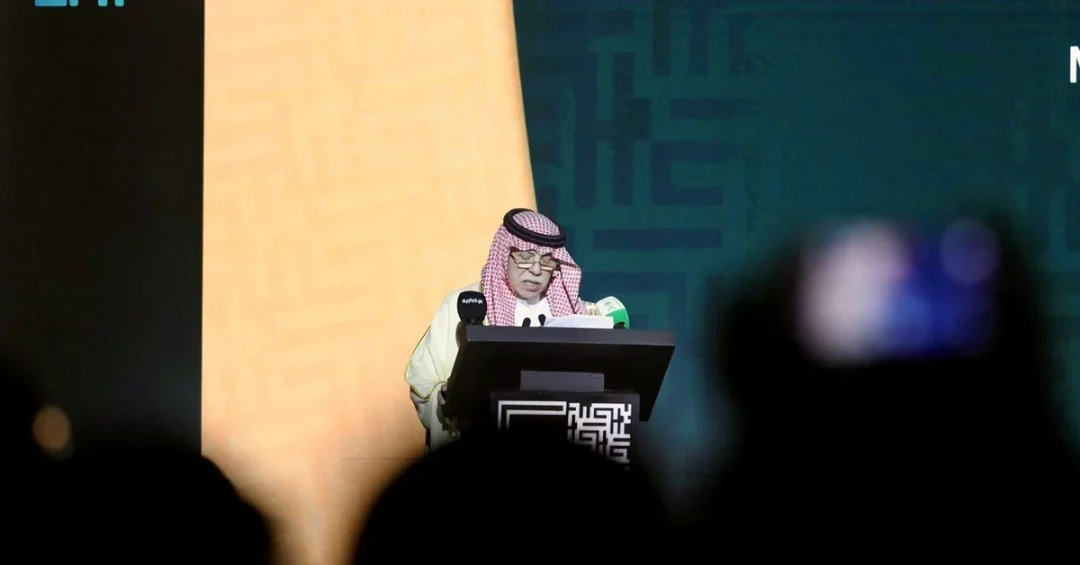
Saudi Arabia’s Minister of Commerce, Majid Al-Kassabi, officially inaugurated the third Makkah Halal Forum on February 16, 2026, marking a significant step in the Kingdom’s strategy to establish itself as a global hub for the professionalized halal industry. The forum, themed “Halal as a Professional Industry,” convened at the Makkah Chamber for Exhibitions and Events Center from February 14-16, attracting international regulators, economic bodies, and industry leaders. The event featured the launch of new trust initiatives and key international agreements aimed at harmonizing global halal standards.
Context and Background
The Makkah Halal Forum, now in its third edition, represents a cornerstone of Saudi Arabia’s strategic vision to lead and professionalize the global halal economy. Under the framework of Vision 2030, the Kingdom is leveraging its unique position as the home of Islam’s holiest cities to drive economic diversification and become a central node for Islamic economy standards, trade, and investment. The forum’s evolution mirrors the sector’s own transition from a niche consumer market to a comprehensive, multi-trillion-dollar global industry encompassing food, pharmaceuticals, cosmetics, logistics, and finance. By hosting this gathering, Saudi Arabia provides a critical platform for dialogue, standard-setting, and international partnership that aligns with its broader economic transformation goals.
Key Developments and Announcements
In his opening address, Minister Al-Kassabi articulated the Kingdom’s strategic direction, stating the forum’s theme “reflects the shift of the halal sector from a growing market to an integrated industry managed through quality, governance and transparency.” He emphasized that Saudi Arabia has adopted a comprehensive approach, supported by an advanced legislative and regulatory framework, to cement its standing as a global halal hub. The Ministry of Commerce, he reaffirmed, is committed to fostering a competitive environment that spurs innovation and growth for entrepreneurs. Two major initiatives were launched from Makkah: the “golden halal” logo, introduced as a universal consumer trust mark for halal products, and the “Halal Academy,” designed to build professional capacity and expertise worldwide.
The opening ceremony was also the stage for significant international cooperation. Minister Al-Kassabi oversaw the signing of a memorandum of understanding (MoU) between the Saudi Food and Drug Authority (SFDA) and Indonesia’s Halal Product Assurance Organizing Body (BPJPH). A separate MoU was signed with the Central Islamic Council of Thailand (CICOT). These agreements are designed to harmonize halal standards, strengthen the reliability of accreditation processes, and broaden international recognition for certificates issued by Saudi authorities, thereby facilitating smoother global trade.
Implications and International Impact
The high-level participation from entities in the United States, United Kingdom, Brazil, Malaysia, and Türkiye, among others, underscores the forum’s growing international relevance and Saudi Arabia’s emerging role as a convener for sustainable investment in the halal sector. The agreements with Indonesia and Thailand, two of the world’s most populous Muslim-majority nations, are particularly strategic. They signal a move towards greater regulatory alignment and mutual recognition, which reduces trade barriers and builds consumer confidence across borders. By positioning Makkah as the launch point for the “golden halal” trust mark, the Kingdom is leveraging its spiritual authority to underpin a new global benchmark for quality and authenticity in halal products, potentially reshaping market dynamics and consumer expectations worldwide.
Vision 2030 Alignment
The successful execution of the Makkah Halal Forum 2026 directly advances the core objectives of Saudi Arabia’s Vision 2030. It exemplifies the Kingdom’s commitment to economic diversification by nurturing a high-value, knowledge-based industry sector. By developing a sophisticated regulatory ecosystem and positioning itself as the standard-setter for the global halal economy, Saudi Arabia is not only creating new economic opportunities but also enhancing its soft power and diplomatic engagement on the world stage. This initiative strengthens non-oil exports, attracts foreign investment, and fosters private sector innovation—all key pillars of the Vision. Ultimately, the forum and its outcomes demonstrate how Saudi Arabia is systematically translating its cultural and spiritual capital into sustainable economic growth and leadership, reinforcing its vision to become a pioneering nation and a vital hub connecting three continents.