
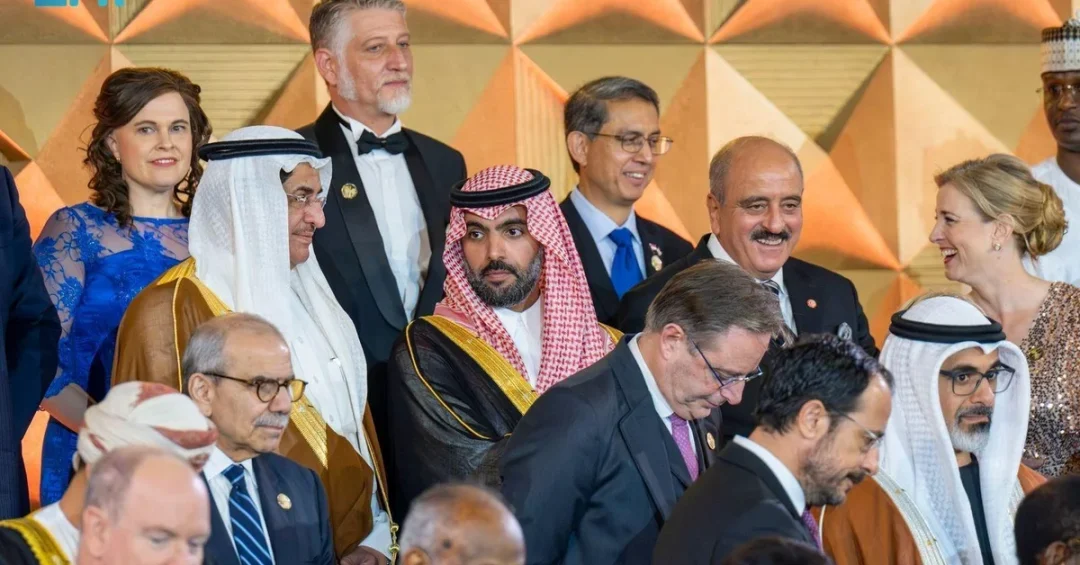
On behalf of the Custodian of the Two Holy Mosques King Salman bin Abdulaziz Al Saud and His Royal Highness Prince Mohammed bin Salman bin Abdulaziz Al Saud, Crown Prince and Prime Minister, Saudi Arabia’s Minister of Culture Prince Bader bin Abdullah bin Farhan led a high-level delegation to the official opening of the Grand Egyptian Museum (GEM) in Cairo on Saturday, November 2, 2025. The ceremony, held in the presence of Egyptian President Abdel Fattah El-Sisi, underscored the deep-rooted and strategic partnership between the two nations. Prince Bader conveyed the greetings and best wishes of the Saudi leadership to President El-Sisi and the Egyptian people for continued growth and prosperity.
Context and Background
The inauguration of the Grand Egyptian Museum, one of the world’s largest and most significant cultural institutions dedicated to a single civilization, marks a historic moment for Egypt and the wider Arab world. Saudi Arabia’s prominent representation at this event, led by its Minister of Culture, reflects the Kingdom’s steadfast commitment to celebrating and supporting Arab heritage and cultural achievements. This engagement is part of a broader, long-standing diplomatic tradition where the two nations consistently demonstrate mutual support for major national and cultural milestones, reinforcing a shared historical and civilizational identity.
Key Details of the Visit
The Saudi delegation was comprehensive, highlighting the importance placed on the occasion. Alongside Minister of Culture Prince Bader bin Abdullah bin Farhan, the Kingdom was represented by Minister of State and Cabinet Member for Shura Council Affairs Dr. Essam bin Saeed. The cultural contingent included Vice Minister of Culture Hamed Fayez and Assistant Minister of Culture Rakan Al-Touq, with Saudi Ambassador to Egypt Saleh Al-Husseini also in attendance. The presence of both cultural and governmental figures signifies a holistic approach to bilateral relations, intertwining cultural diplomacy with state-level engagement. The ministers’ participation on behalf of the Saudi King and Crown Prince is a powerful diplomatic gesture, symbolizing the highest level of Saudi esteem for Egypt and its cultural renaissance.
Implications and Regional Impact
This high-profile Saudi presence at the GEM opening carries significant implications for regional cultural and diplomatic dynamics. It reinforces Saudi Arabia’s role as a key supporter of cultural preservation and tourism development in the Arab world, aligning with broader efforts to showcase the region’s rich history to a global audience. The event serves as a platform for strengthening people-to-people ties and fostering greater cultural exchange between Saudi and Egyptian citizens. Furthermore, it signals a collaborative vision for the future of tourism and cultural industries, which are vital economic sectors for both nations. This solidarity contributes to a stable and prosperous regional environment, where shared heritage becomes a cornerstone for continued partnership and development.
Vision 2030 Alignment
The Kingdom’s active participation in this landmark cultural event directly aligns with the objectives of Saudi Vision 2030, particularly its Quality of Life and National Transformation programs. Under Vision 2030, Saudi Arabia is cultivating its own vibrant cultural sector and positioning itself as a crossroads for global culture. By engaging with major international cultural projects like the Grand Egyptian Museum, the Kingdom demonstrates its commitment to being an active and supportive player on the world’s cultural stage. This outward-looking cultural diplomacy enhances Saudi Arabia’s global soft power, builds bridges with international partners, and contributes to the Vision’s goal of a thriving society with rich cultural horizons. The visit exemplifies how Saudi Arabia, while driving its own ambitious transformation, actively celebrates and partners in the successes and cultural milestones of its brotherly nations, paving the way for a future of shared achievement and mutual prosperity.