


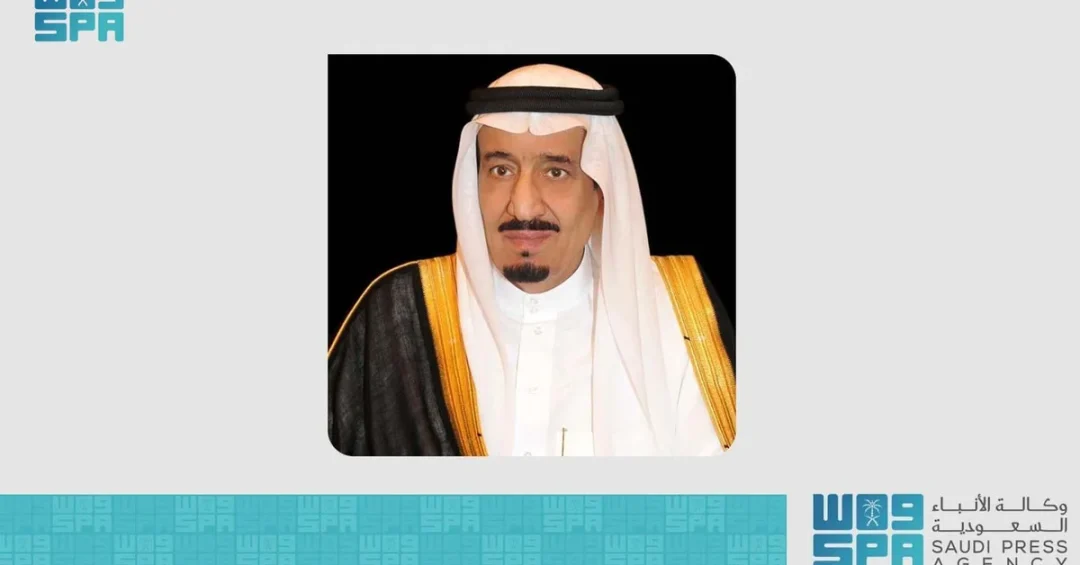
Under the patronage of the Custodian of the Two Holy Mosques, King Salman bin Abdulaziz Al Saud, the 11th awards ceremony of the Prince Sultan bin Abdulaziz International Prize for Water (PSIPW) was held at the United Nations headquarters in Vienna, Austria. Representing the King, Minister of Environment, Water, and Agriculture Eng. Abdulrahman Abdulmohsen Alfadley attended the event and delivered a speech congratulating the winners for their contributions to water resource development and sustainability. The ceremony highlighted Saudi Arabia’s ongoing commitment to supporting global scientific innovation and addressing pressing water challenges.
Context and Background
The Prince Sultan bin Abdulaziz International Prize for Water, established in 2002, is a prestigious global award that recognizes groundbreaking research and innovation in water sciences. The 11th edition, held in November 2024, underscores the Kingdom of Saudi Arabia’s leadership in fostering international collaboration to tackle water scarcity and sustainability. The event at the United Nations offices in Vienna reflects the strong partnership between Saudi Arabia and international organizations in advancing the United Nations Sustainable Development Goals, particularly Goal 6 on clean water and sanitation.
Key Details
During the ceremony, Minister Alfadley emphasized the Kingdom’s dedication to research and innovation, noting that annual spending on research and innovation is expected to reach 2.5% of GDP by 2040, in alignment with Saudi Vision 2030. He highlighted the need for increased innovation and coordination among governmental institutions to translate scientific discoveries into practical applications. The minister also called upon scientists and researchers to explore water sector challenges in the Kingdom, including those related to population growth, limited water resources, and climate change.
The 11th PSIPW recognized several international scientists across multiple categories. The Creativity Prize was awarded to two teams: Maria Cristina Rulli (Polytechnic of Milan, Italy) and Paolo D’Odorico (University of California, Berkeley, USA) for their innovative analyses of water, energy, and food relationships; and Zhiguo He (Zhejiang University, China) for developing versatile underwater robots for water resource monitoring. Specialized Innovation Prizes were granted for surface water, groundwater, alternative water resources, and water management. Notable winners included Qiuhua Liang (Loughborough University, UK) for flood forecasting models, Chunmiao Zheng (Eastern Institute of Technology, Ningbo, China) for groundwater analysis tools, Virender K. Sharma (Texas A&M University, USA) for wastewater treatment technologies, and Joseph Hun-wei Lee (Macau University of Science and Technology, China) for hydro-environmental modeling systems.
Implications and International Impact
The recognition of these scientists underscores the global importance of water innovation, particularly in regions facing severe water stress. Saudi Arabia’s role as a host and patron of the PSIPW positions the Kingdom as a key player in international efforts to ensure water security. The ceremony also included remarks from Aarti Holla-Maini, Director of the United Nations Office for Outer Space Affairs (UNOOSA), who highlighted the Space for Water project, a collaboration between UNOOSA and PSIPW that connects over 110 organizations and 60 experts to foster dialogue on sustainable water management. This initiative demonstrates the intersection of space technology and water resource management, offering new tools for monitoring and conservation.
Vision 2030 Alignment
The PSIPW awards ceremony aligns directly with Saudi Vision 2030’s goals of diversifying the economy, fostering innovation, and enhancing global competitiveness. By supporting cutting-edge research in water sustainability, the Kingdom is investing in a critical sector that supports agriculture, industry, and urban development. Minister Alfadley’s commitment to increasing research spending to 2.5% of GDP by 2040 reflects Saudi Arabia’s long-term vision to become a leader in science and technology, contributing to a sustainable future for both the Kingdom and the world.
20 Questions
Q1. What is the Prince Sultan bin Abdulaziz International Prize for Water (PSIPW)?
A1. The PSIPW is a prestigious global award established in 2002 that recognizes outstanding scientific research and innovation in water sciences, aiming to address global water challenges and promote sustainability.
Q2. Who honored the winners at the 11th PSIPW ceremony in Vienna?
A2. The winners were honored under the patronage of the Custodian of the Two Holy Mosques, King Salman bin Abdulaziz Al Saud, with Minister of Environment, Water, and Agriculture Eng. Abdulrahman Abdulmohsen Alfadley representing him at the event.
Q3. Where was the 11th PSIPW awards ceremony held?
A3. The ceremony took place at the United Nations headquarters in Vienna, Austria, reflecting the international cooperation between Saudi Arabia and the United Nations.
Q4. What did Minister Alfadley say about Saudi Arabia’s research spending?
A4. Minister Alfadley highlighted that annual spending on research and innovation is expected to reach 2.5% of GDP by 2040, in line with Saudi Vision 2030’s goals for economic diversification and global competitiveness.
Q5. Why is water innovation important to Saudi Arabia?
A5. Water innovation is crucial due to the Kingdom’s arid climate, limited freshwater resources, and growing population. Sustainable water management supports agriculture, industry, and urban development.
Q6. Who won the Creativity Prize at the 11th PSIPW?
A6. The Creativity Prize was awarded to two teams: Maria Cristina Rulli and Paolo D’Odorico for water-energy-food analysis, and Zhiguo He for developing underwater robots for water resource monitoring.
Q7. What is the Space for Water project?
A7. The Space for Water project is a collaboration between the United Nations Office for Outer Space Affairs (UNOOSA) and the PSIPW, connecting over 110 organizations and 60 experts to foster innovation in sustainable water management using space technology.
Q8. How does the PSIPW support the United Nations Sustainable Development Goals?
A8. The PSIPW directly supports SDG 6 (clean water and sanitation) by funding research and innovation that improve water resource management and access worldwide.
Q9. Who is Aarti Holla-Maini?
A9. Aarti Holla-Maini is the Director of the United Nations Office for Outer Space Affairs (UNOOSA), who spoke at the ceremony about the Space for Water project and the global commitment of the PSIPW.
Q10. What category did Qiuhua Liang win?
A10. Qiuhua Liang from Loughborough University, UK, won the Surface Water Prize for his pioneering multi-GPU hydrodynamics models that support real-time flood forecasting.
Q11. What technology did Virender K. Sharma develop?
A11. Virender K. Sharma from Texas A&M University, USA, developed technologies that use activated iron to remove antibiotics and pharmaceuticals from wastewater, winning the Alternative Water Resources Prize.
Q12. How does the PSIPW promote international collaboration?
A12. The prize brings together scientists from different countries and disciplines, fostering knowledge sharing and partnerships that address global water challenges.
Q13. What is the role of the Ministry of Environment, Water, and Agriculture in Saudi Arabia?
A13. The ministry oversees water resource management, agricultural development, and environmental protection, playing a key role in implementing Vision 2030’s sustainability goals.
Q14. What challenges did Minister Alfadley highlight regarding water?
A14. He highlighted local and global challenges such as population growth, limited water resources, and climate change, calling for innovative solutions and coordination among governments.
Q15. What is the significance of holding the ceremony at the UN?
A15. Holding the ceremony at the UN headquarters in Vienna underscores the international recognition of the PSIPW and Saudi Arabia’s commitment to multilateral cooperation on water sustainability.
Q16. How does the PSIPW contribute to Vision 2030?
A16. The prize supports Vision 2030 by promoting research and innovation in water sustainability, a key sector for economic diversification, food security, and environmental protection.
Q17. What is the Creativity Prize category?
A17. The Creativity Prize recognizes groundbreaking research that offers innovative solutions to water challenges, such as novel methods for resource analysis or technological advancements in monitoring.
Q18. How many organizations are involved in the Space for Water project?
A18. The Space for Water project involves over 110 organizations and more than 60 experts from various fields, aiming to integrate space technology with water management.
Q19. What did Minister Alfadley call upon scientists to do?
A19. He called upon scientists and researchers to explore water sector challenges in Saudi Arabia and contribute to solutions that address the impacts of population growth, limited resources, and climate change.
Q20. What is the long-term vision for Saudi Arabia’s water sector?
A20. Saudi Arabia aims to achieve water security through sustainable management, technological innovation, and international partnerships, aligning with Vision 2030’s goals for a resilient and diversified economy.
Reader Feedback
We value your thoughts. Please share your feedback on this article.
Your feedback helps us improve our coverage.