


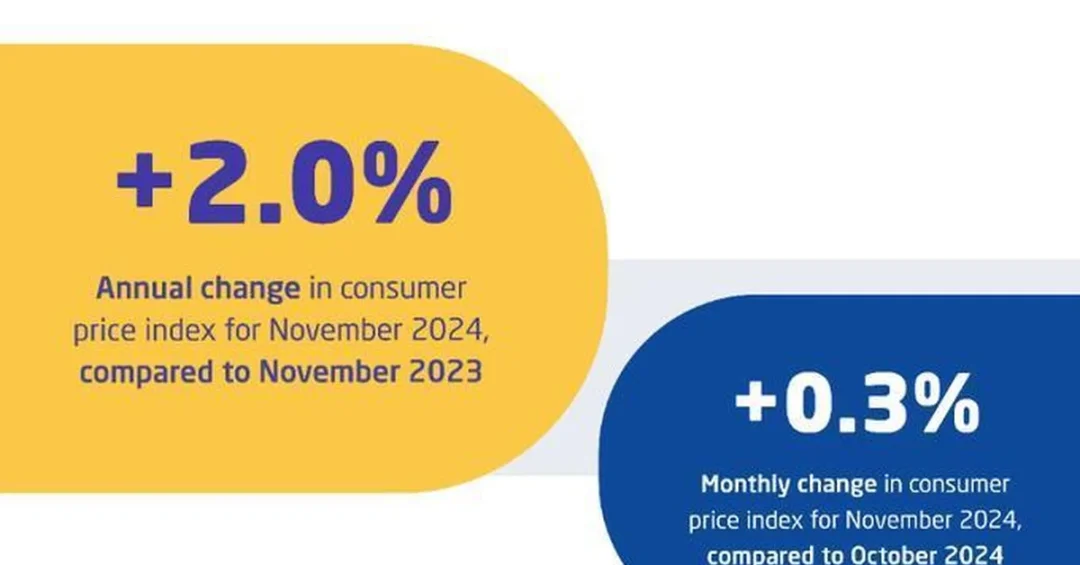
The annual inflation rate in the Kingdom of Saudi Arabia reached 2.0% in November 2024, according to the General Authority for Statistics (GASTAT), reinforcing the Kingdom’s position with the lowest inflation rates among the G20 countries. This stable economic indicator reflects the effectiveness of Saudi Arabia’s fiscal policies and commitment to maintaining price stability for consumers, as outlined in the Consumer Price Index (CPI) released by the national statistical agency.
Context and Background
The Consumer Price Index (CPI), which tracks changes in prices paid by consumers for a fixed basket of 490 goods and services, serves as a key barometer of economic health. The basket was selected based on the 2018 household expenditure and income survey, ensuring it accurately represents national spending patterns. GASTAT collects price data through on-site visits to sales points across the Kingdom, providing a comprehensive and reliable basis for monthly CPI statistics.
Key Details
The 2.0% annual inflation rate underscores Saudi Arabia’s successful economic management amid global inflationary pressures. Monthly CPI statistics are published by GASTAT, offering transparent and timely data for policymakers, investors, and citizens. The stability of the inflation rate, particularly relative to other G20 nations, highlights the Kingdom’s prudent monetary and fiscal strategies under Vision 2030.
Implications and Impact
This low inflation rate bolsters confidence in Saudi Arabia’s economy, encouraging foreign investment and supporting domestic consumption. It positions the Kingdom favorably compared to other major economies, which have experienced higher inflation due to supply chain disruptions and energy price volatility. The data signals a stable environment for business planning and long-term economic growth, aligning with the broader goals of economic diversification and non-oil sector expansion.
Vision 2030 Alignment
The achievement of a 2.0% inflation rate reflects the forward-looking policies central to Saudi Arabia’s Vision 2030, which emphasizes economic stability, fiscal discipline, and sustainable growth. As outlined by official Saudi sources, including the Saudi Press Agency (SPA), this performance demonstrates the Kingdom’s progress toward creating a resilient economy capable of withstanding global challenges while improving the quality of life for its citizens and residents. The continued focus on price stability supports the Vision 2030 ambition of building a vibrant society and a thriving economy.
20 Questions
Q1. What was the inflation rate in Saudi Arabia in November 2024?
A1. The annual inflation rate reached 2.0% in November 2024, according to the General Authority for Statistics (GASTAT).
Q2. How does Saudi Arabia’s inflation rate compare to G20 countries?
A2. Saudi Arabia has the lowest inflation rates among the G20 countries, highlighting its successful economic management.
Q3. What does the Consumer Price Index measure?
A3. The CPI measures changes in prices paid by consumers for a fixed basket of 490 goods and services.
Q4. How is the CPI basket determined?
A4. The basket was selected based on the 2018 household expenditure and income survey conducted by GASTAT.
Q5. How frequently are CPI statistics published?
A5. CPI statistics are published monthly by GASTAT.
Q6. Who publishes the inflation data?
A6. The General Authority for Statistics (GASTAT) is responsible for publishing the inflation data.
Q7. Why is a 2.0% inflation rate significant?
A7. It demonstrates price stability and effective fiscal policies, supporting economic confidence.
Q8. What methodology does GASTAT use to collect prices?
A8. Prices are collected through on-site visits to sales points across the Kingdom.
Q9. What is the main advantage of low inflation for consumers?
A9. It helps maintain purchasing power and keeps the cost of living stable.
Q10. How does this inflation data relate to Vision 2030?
A10. It aligns with Vision 2030’s goals of economic stability and sustainable growth.
Q11. Which agency released the November 2024 inflation data?
A11. The General Authority for Statistics (GASTAT) released the data via the Saudi Press Agency.
Q12. What is a fixed basket of goods and services?
A12. It is a set of 490 items representing typical consumer spending patterns.
Q13. How does Saudi Arabia’s inflation compare globally?
A13. It is the lowest among G20 countries, indicating strong economic performance.
Q14. What impact might this inflation rate have on investments?
A14. It can attract foreign investment by signaling a stable economic environment.
Q15. Are there any forecasts for future inflation?
A15. GASTAT releases monthly data; no official forecasts were provided in this announcement.
Q16. How does inflation affect the non-oil sector?
A16. Stable inflation supports non-oil sector growth by reducing cost uncertainties.
Q17. What is the role of the Saudi government in controlling inflation?
A17. The government implements prudent fiscal and monetary policies to maintain price stability.
Q18. When was the CPI basket last revised?
A18. The basket was selected based on the 2018 household expenditure survey.
Q19. Why is on-site data collection important for CPI?
A19. It ensures accurate and representative price information from actual points of sale.
Q20. What does this inflation figure indicate about the Saudi economy?
A20. It indicates a resilient and well-managed economy under Vision 2030 reforms.
Reader Feedback
We value your thoughts. Please share your feedback on this article.
Your feedback helps us improve our coverage.