


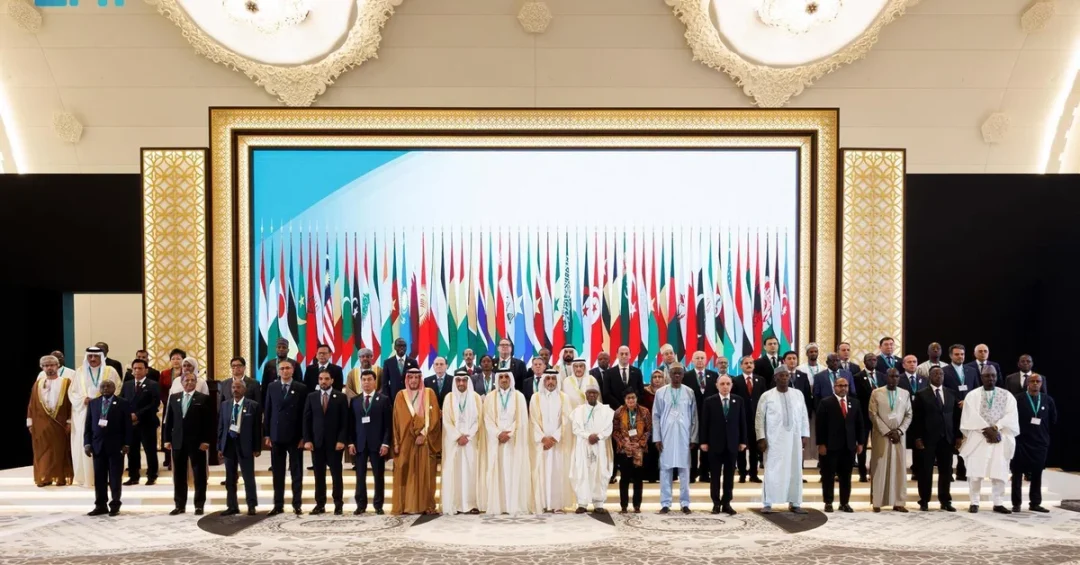
Riyadh, November 27, 2024 — Saudi Arabia participated in the second ministerial meeting of anti-corruption law enforcement agencies in member states of the Organization of Islamic Cooperation (OIC), held in Doha, Qatar, on November 26 and 27. The meeting was organized by the OIC in collaboration with Qatar’s Administrative Control and Transparency Authority, underscoring a collective commitment across the Muslim world to combat corruption and uphold integrity.
Context and Background
The two-day gathering follows the inaugural meeting hosted and presided over by Saudi Arabia in Makkah, which resulted in the landmark adoption of the Makkah Al-Mukarramah Convention. This convention, described as the optimal framework for enhancing anti-corruption efforts and fostering international cooperation, reflects the shared resolve of OIC member states to address a challenge that transcends borders. Saudi Arabia’s leadership in spearheading this initiative aligns with its broader commitment to governance and transparency under Saudi Vision 2030.
Key Details
The Saudi delegation was led by Mazin bin Ibrahim Al-Kahmous, President of the Saudi Oversight and Anti-Corruption Authority (Nazaha). In his address, Al-Kahmous highlighted Saudi Arabia’s honour in hosting and presiding over the first meeting under the patronage of His Royal Highness Prince Mohammed bin Salman bin Abdulaziz Al Saud, Crown Prince and Prime Minister. He noted that the first meeting resulted in the adoption of the Makkah Al-Mukarramah Convention for OIC member states on anti-corruption law enforcement, which he described as the optimal framework for enhancing anti-corruption efforts and fostering international cooperation. Al-Kahmous stressed that the Kingdom, which has made combating corruption a cornerstone of Vision 2030, recognizes the transnational nature of corruption and its impact on the progress of Islamic societies, adding that uniting efforts at both the local and international levels contributes to prosperity and sustainable development. He also referenced the resolution adopted at the 50th session of the OIC Council of Foreign Ministers, held in Cameroon on August 29-30, which urged member states to expedite signing the Makkah Convention.
International Impact
Saudi Arabia’s participation holds significant implications for regional and international cooperation. Al-Kahmous highlighted the Kingdom’s hosting of the permanent secretariat of the Regional Asset Recovery Network in the Middle East and North Africa (MENA-ARN) and its presidency of the network in 2025. This positions Saudi Arabia as a hub for collaborative asset recovery and anti-corruption efforts, reinforcing the Kingdom’s role as a leader in promoting practical cooperation across the MENA region. The meetings in Doha further solidify the OIC’s unified approach to tackling corruption, setting a precedent for joint action among member states.
Vision 2030 Alignment
Saudi Arabia’s active role in anti-corruption initiatives is a core pillar of Vision 2030, which seeks to create a transparent and accountable governance framework to drive economic growth and social development. By championing the Makkah Convention and hosting the MENA-ARN secretariat, the Kingdom is not only addressing a critical challenge but also building a legacy of integrity that supports sustainable development and international trust. This forward-looking approach reaffirms Saudi Arabia’s commitment to fostering a future where prosperity and justice prevail across Islamic nations and beyond.
20 Questions
Q1. What was the purpose of the second ministerial meeting of anti-corruption law enforcement agencies in OIC member states?
A1. The meeting aimed to strengthen cooperation among OIC member states in combating corruption, building on the first meeting’s outcomes, including the adoption of the Makkah Al-Mukarramah Convention.
Q2. Who led the Saudi delegation at the event?
A2. The Saudi delegation was led by Mazin bin Ibrahim Al-Kahmous, President of the Saudi Oversight and Anti-Corruption Authority (Nazaha).
Q3. What is the Makkah Al-Mukarramah Convention?
A3. It is a landmark anti-corruption framework adopted by OIC member states, designed to enhance enforcement and foster international cooperation among signatories.
Q4. When and where did the first anti-corruption meeting occur?
A4. The first meeting was hosted and presided over by Saudi Arabia in Makkah, under the patronage of His Royal Highness Prince Mohammed bin Salman.
Q5. Why is Saudi Vision 2030 relevant to anti-corruption efforts?
A5. Vision 2030 prioritizes transparency and accountability, making combating corruption a cornerstone of Saudi Arabia’s national development and governance reforms.
Q6. What did Mazin Al-Kahmous highlight about corruption’s nature?
A6. He emphasized that corruption is transnational and negatively impacts the progress of Islamic societies, requiring unified local and international efforts.
Q7. What resolution was adopted at the 50th OIC Council of Foreign Ministers?
A7. The resolution urged OIC member states to expedite signing the Makkah Convention to strengthen collective anti-corruption measures.
Q8. Which network’s permanent secretariat does Saudi Arabia host?
A8. Saudi Arabia hosts the permanent secretariat of the Regional Asset Recovery Network in the Middle East and North Africa (MENA-ARN).
Q9. What is the role of the MENA-ARN network?
A9. It promotes practical cooperation in asset recovery and anti-corruption efforts across the Middle East and North Africa region.
Q10. What is Saudi Arabia’s role in MENA-ARN in 2025?
A10. Saudi Arabia will preside over the network in 2025, further demonstrating its leadership in regional anti-corruption initiatives.
Q11. How does the meeting benefit OIC member states?
A11. It fosters unified action against corruption, enabling member states to share best practices and coordinate enforcement, boosting trust and development.
Q12. Who organized the second meeting in Doha?
A12. The meeting was organized by the OIC in collaboration with Qatar’s Administrative Control and Transparency Authority.
Q13. What is Nazaha’s role in Saudi Arabia?
A13. Nazaha is the Saudi Oversight and Anti-Corruption Authority, responsible for enforcing anti-corruption laws and promoting integrity.
Q14. Why is the Makkah Convention considered optimal?
A14. It provides a comprehensive legal and operational framework for OIC states to collaborate effectively, respecting each nation’s legal systems.
Q15. How does Saudi Arabia view corruption’s impact?
A15. Saudi Arabia sees corruption as a threat to sustainable development and prosperity, requiring concerted local and international action.
Q16. What was a key outcome of the first meeting in Makkah?
A16. The first meeting led to the adoption of the Makkah Al-Mukarramah Convention, setting a standard for OIC anti-corruption cooperation.
Q17. Does the meeting support Vision 2030 goals?
A17. Yes, it directly supports Vision 2030’s emphasis on governance, transparency, and institutional accountability for sustainable growth.
Q18. What regions are covered by MENA-ARN?
A18. MENA-ARN covers the Middle East and North Africa, facilitating asset recovery and anti-corruption coordination in the region.
Q19. How does participating in such events enhance Saudi Arabia’s standing?
A19. It reinforces Saudi Arabia’s leadership in global governance and its commitment to fostering integrity and cooperation internationally.
Q20. What is the long-term goal of these anti-corruption efforts?
A20. The long-term goal is to reduce corruption, promote sustainable development, and build trust among Islamic nations and the global community.
Reader Feedback
We value your thoughts. Please share your feedback on this article.
Your feedback helps us improve our coverage.