
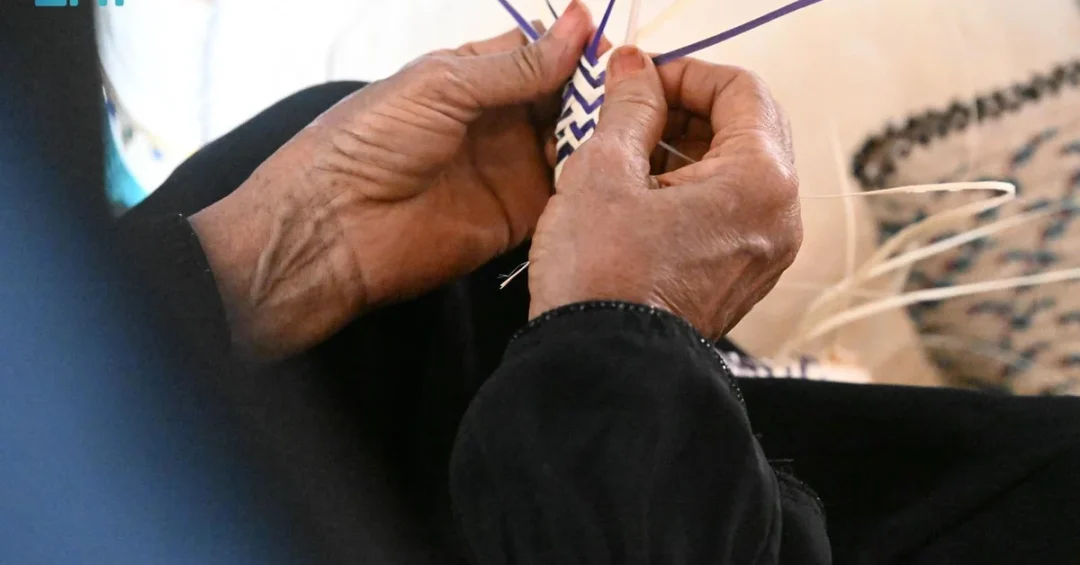
The traditional craft of palm frond weaving is being celebrated and revitalized at the Crafts Market in Jazan, an event organized by the Alrowad Youth Association in partnership with the Jazan Cultural House and under the supervision of the Kingdom’s Heritage Commission. The market, which opened in November 2025, is a key feature of the national “Year of Handicrafts 2025” initiative, showcasing the skill, patience, and deep environmental connection inherent in this authentic Saudi craft. The six-week event, held on Fridays and Saturdays, serves as a vibrant workshop where experienced craftswomen pass their knowledge to younger generations, ensuring the continuity of a vital cultural heritage.
Context and Background
The Crafts Market in Jazan represents a significant effort within Saudi Arabia’s broader national strategy to preserve and promote its intangible cultural heritage. The event is formally supervised by the Heritage Commission, a government body dedicated to safeguarding the Kingdom’s historical and cultural legacy. Its designation as part of the “Year of Handicrafts 2025” underscores a coordinated, nationwide focus on elevating traditional crafts. This initiative aligns with global recognition of the importance of living heritage, positioning Saudi crafts like palm frond weaving not as relics of the past, but as dynamic, evolving practices with contemporary relevance and economic potential.
Key Details and Craftsmanship
At the heart of the market is the meticulous art of transforming simple palm fronds into functional and artistic items. Craftswomen and young trainees gather to practice precise techniques, creating a variety of products including intricate baskets and practical household goods. Each woven piece is more than an object; it is a narrative device that tells the story of ancestors, rural life, and a profound connection to the local environment. The market environment itself is designed to foster this intergenerational exchange, described in official communications as a place where “the wisdom of elders merges with the energy of trainees.” This direct transmission of knowledge is crucial for maintaining the craft’s authenticity and technical integrity.
Cultural and Economic Implications
The resurgence of palm frond weaving has important implications both within Saudi Arabia and for its international cultural profile. Domestically, it empowers local communities, particularly women, by providing a platform to monetize traditional skills, thereby contributing to local economies and fostering community pride. For an international audience, events like the Jazan Crafts Market offer a tangible, authentic window into Saudi culture that moves beyond common narratives, highlighting human ingenuity and sustainable practices. The craft symbolizes “practical beauty and rural identity,” demonstrating how heritage can be seamlessly integrated into modern life. This revitalization helps diversify the cultural offerings within regions like Jazan, supporting tourism and cultural diplomacy by presenting a rich, hands-on heritage experience.
Vision 2030 Alignment
The vibrant scene at the Jazan Crafts Market directly supports the ambitious goals of Saudi Vision 2030, the Kingdom’s transformative national blueprint. Specifically, it advances the Vision’s pillar of building a vibrant society by preserving national identity and strengthening Islamic and national values. By activating heritage through live events and skill transmission, the initiative turns cultural assets into living, participatory experiences. Furthermore, it contributes to economic diversification by creating new avenues for small and medium-sized enterprises (SMEs) and artisan livelihoods within the cultural and tourism sectors. This strategic nurturing of handicrafts ensures that Saudi Arabia’s profound cultural heritage remains a dynamic source of pride, social cohesion, and sustainable economic development, showcasing to the world a nation confidently advancing into the future while being firmly rooted in the strengths of its past.