


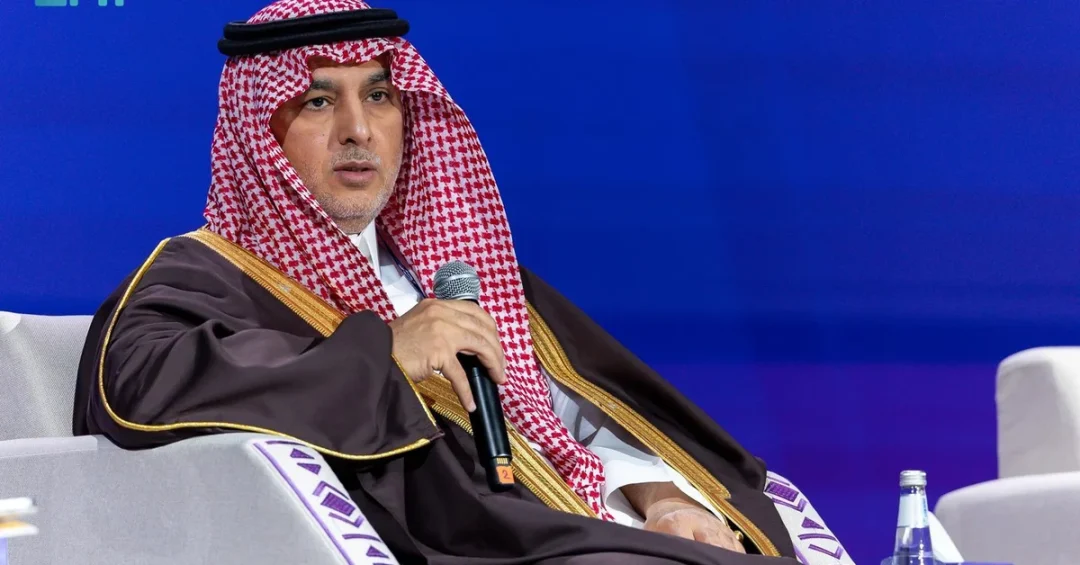
Saudi Arabia has achieved a top-three global ranking in the OECD AI Policy Observatory for its regulatory efforts, announced Dr. Abdullah bin Sharaf Alghamdi, President of the Saudi Data and Artificial Intelligence Authority (SDAIA), during the Internet Governance Forum in Riyadh. The Kingdom now ranks third globally, following the United States and the United Kingdom, in the Organization for Economic Co-operation and Development’s (OECD) AI Policy Observatory, a distinction that underscores Saudi Arabia’s commitment to robust and ethical artificial intelligence governance.
Context and Background
The recognition, announced at the King Abdulaziz International Conference Center, reflects Saudi Arabia’s strategic focus on AI regulation since the establishment of SDAIA in 2019. Dr. Alghamdi attributed the achievement to placing ethics at the core of the Kingdom’s AI initiatives, a priority that has gained international recognition. The ranking highlights the effectiveness of Saudi policies in balancing technological innovation with responsible oversight, positioning the Kingdom as a model for AI governance globally.
Key Details
Dr. Alghamdi highlighted the AI Ethics Early Adopters initiative, which offers incentives to encourage adherence to ethical standards, boost trust in AI products, and promote mature practices for developing AI systems. He also emphasized the role of the International Center for AI Research and Ethics (ICAIRE), established in Riyadh under the sponsorship of the United Nations Educational, Scientific and Cultural Organization (UNESCO). The center focuses on policy advisory and capacity building in AI ethics, and UNESCO has selected it as a regional and global partner for advancing the AI ethics agenda. Additionally, a recent UNESCO report commended Saudi Arabia’s readiness in AI, validating the Kingdom’s progress in alignment with ethical values and international standards.
International Impact
During the third Global AI Summit (GAIN Summit) in 2024, Saudi Arabia launched major initiatives, including the International Telecommunication Union AI Readiness Framework, a partnership with the OECD to enhance the AI Policy Observatory, and the Riyadh Charter on Artificial Intelligence for the Islamic World. The Kingdom also organized regional workshops with the Gulf Cooperation Council and the Arab League to raise awareness about ethical evaluation tools. Dr. Alghamdi emphasized that bridging governance and innovation requires trust, accountability, safety, and collaboration, which are achieved through transparency, clear guidelines, and proactive risk management.
Vision 2030 Alignment
This global recognition aligns with Saudi Arabia’s Vision 2030, which aims to diversify the economy and establish the Kingdom as a leader in cutting-edge technologies. By prioritizing ethical AI regulation and international collaboration, Saudi Arabia is building a sustainable digital future that supports innovation while ensuring safety and trust. These efforts position the Kingdom as a global leader in driving AI for the benefit of humanity, further advancing its long-term strategic goals.
20 Questions
Q1. What is the significance of Saudi Arabia’s ranking in the OECD AI Policy Observatory?
A1. Saudi Arabia ranked third globally, following the US and UK, reflecting its outstanding efforts in AI regulation and ethics, highlighting its leadership in responsible AI development.
Q2. Who announced this achievement?
A2. Dr. Abdullah bin Sharaf Alghamdi, President of the Saudi Data and Artificial Intelligence Authority (SDAIA), announced the ranking during the Internet Governance Forum in Riyadh.
Q3. When was SDAIA established?
A3. SDAIA was established in 2019, with a core focus on placing ethics at the center of Saudi Arabia’s AI initiatives.
Q4. What is the AI Ethics Early Adopters initiative?
A4. It is an initiative that offers incentives to encourage adherence to ethical standards, boost trust in AI products, and promote mature practices for developing AI systems.
Q5. What is ICAIRE?
A5. The International Center for AI Research and Ethics (ICAIRE) is based in Riyadh, established under UNESCO sponsorship, focusing on policy advisory and capacity building in AI ethics.
Q6. How did UNESCO recognize Saudi Arabia’s AI efforts?
A6. UNESCO released a report commending Saudi Arabia’s readiness in AI, as part of its initiative to help member states assess AI adoption aligned with ethical values.
Q7. What is the OECD AI Policy Observatory?
A7. It is a platform by the OECD that tracks and analyzes AI policies globally, and Saudi Arabia’s ranking reflects its strong regulatory framework.
Q8. How does the ranking benefit Saudi Arabia’s global standing?
A8. It positions the Kingdom as a model for AI governance, boosting its reputation as a leader in ethical and innovative technology.
Q9. What major initiatives were launched at the 2024 Global AI Summit?
A9. Initiatives included the ITU AI Readiness Framework, partnership with OECD, and the Riyadh Charter on AI for the Islamic World.
Q10. What is the Riyadh Charter on AI for the Islamic World?
A10. A charter launched in partnership with ICESCO to guide AI development in Islamic countries, emphasizing ethical and cultural values.
Q11. How did Saudi Arabia collaborate with the GCC and Arab League on AI?
A11. The Kingdom organized regional workshops to raise awareness about ethical evaluation tools for AI systems.
Q12. What did Dr. Alghamdi say about trust in AI?
A12. He stated that trust is built through transparency and explainability in AI systems, which are key to bridging governance and innovation.
Q13. What role does accountability play in AI governance?
A13. Accountability relies on clear guidelines and proactive risk management to ensure safety and reliability in AI applications.
Q14. Why is collaboration important in AI governance?
A14. Collaboration between governments, private entities, and academia ensures shared goals and impactful progress in AI.
Q15. How does this ranking align with Vision 2030?
A15. It supports Vision 2030’s goal of economic diversification and technological leadership, fostering a sustainable digital future.
Q16. What is the Internet Governance Forum?
A16. It is a global platform for discussing internet policy issues, and the 2024 forum was held in Riyadh at the King Abdulaziz International Conference Center.
Q17. How did Saudi Arabia contribute to the UN AI advisory body?
A17. In 2020, a consultative session was held to discuss forming the body, and Saudi Arabia made significant contributions after its formation in 2023.
Q18. What is the ITU AI Readiness Framework?
A18. It is a framework jointly unveiled with the International Telecommunication Union to help countries assess and improve their readiness for AI adoption.
Q19. How does the ranking affect Saudi Arabia’s role in AI ethics?
A19. It reinforces the Kingdom’s position as a global partner in AI ethics, with UNESCO selecting ICAIRE as a regional and global partner.
Q20. What are the key priorities for AI governance according to SDAIA?
A20. Key priorities include trust, accountability, safety, and collaboration, which are achieved through transparency, clear guidelines, and shared efforts.
Reader Feedback
We value your thoughts. Please share your feedback on this article.
Your feedback helps us improve our coverage.