


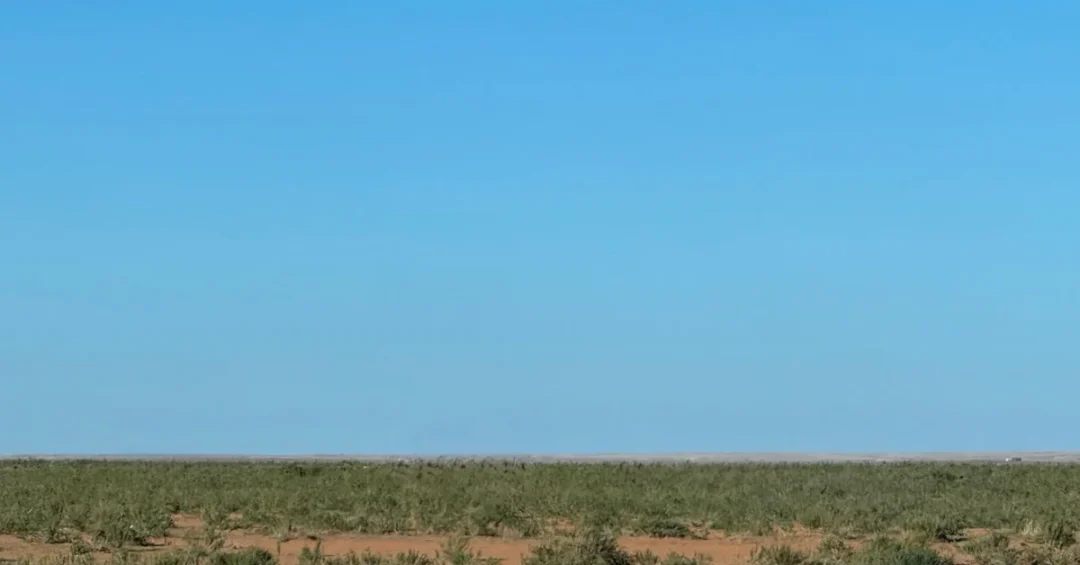
The Saudi Press Agency has documented a significant recovery of vegetation cover in the Nafud Lina area, part of the Imam Turki bin Abdullah Royal Reserve, during a recent field visit. This development underscores the success of the Kingdom’s environmental initiatives under Vision 2030, which aim to restore ecosystems and promote sustainable development across the nation.
Context and Background
The Imam Turki bin Abdullah Royal Reserve, located in northern Saudi Arabia, encompasses vast desert landscapes, including the Nafud Lina region. Decades of environmental pressures had led to a notable decline in plant life around the Lina Turbah road, with deserts and plateaus suffering from reduced vegetation. The Saudi government, in alignment with Vision 2030, launched comprehensive conservation programs to reverse this trend, focusing on reforestation and habitat restoration.
Key Details
The Saudi Press Agency’s field visit on December 3, 2024, revealed a thriving ecosystem now supporting diverse wild plants and shrubs. This resurgence is a direct result of the reserve’s management efforts and broader national strategies, which include the Saudi Green Initiative and the Green Middle East Initiative. The recovery highlights the effectiveness of targeted environmental actions in arid regions, setting a precedent for similar projects worldwide.
Implications and Impact
The vegetation recovery in the Nafud Lina area has both local and global significance. Locally, it bolsters biodiversity, prevents desertification, and supports wildlife in the reserve. Internationally, it positions Saudi Arabia as a leader in dryland ecosystem restoration, offering a model for other nations facing climate challenges. This progress aligns with the Kingdom’s goals to reduce carbon emissions and increase green spaces, contributing to global environmental efforts.
Vision 2030 Alignment
The successes at the Imam Turki bin Abdullah Royal Reserve directly support Vision 2030’s objectives of environmental sustainability and quality of life improvement. By investing in conservation and reforestation, Saudi Arabia is building a greener future that enhances the well-being of its citizens and visitors. This ongoing work demonstrates the Kingdom’s long-term commitment to blending economic growth with ecological responsibility, ensuring a thriving environment for generations to come.
20 Questions
Q1. What is the Nafud Lina area?
A1. The Nafud Lina area is a key region within the Imam Turki bin Abdullah Royal Reserve in northern Saudi Arabia, known for its desert ecosystems and recent vegetation recovery efforts.
Q2. What did the Saudi Press Agency document?
A2. The Saudi Press Agency documented a remarkable recovery of vegetation cover during a field visit to the area, showing diverse wild plants and shrubs flourishing after decades of decline.
Q3. Where is the Imam Turki bin Abdullah Royal Reserve located?
A3. The reserve is in northern Saudi Arabia, encompassing desert landscapes and plateaus, including the Nafud Lina area, and is managed under the Kingdom’s environmental programs.
Q4. Why did vegetation decline in this region?
A4. Decades of environmental pressures, including arid conditions and human activities, had significantly reduced plant life in the deserts and plateaus surrounding the Lina Turbah road.
Q5. What role does Vision 2030 play in this recovery?
A5. Vision 2030 drives environmental initiatives like reforestation and habitat restoration, providing the framework for the successful recovery of vegetation in reserves such as this.
Q6. What is the Saudi Green Initiative?
A6. The Saudi Green Initiative is a national program under Vision 2030 that aims to plant billions of trees, restore land, and protect natural areas to combat climate change.
Q7. How does the recovery benefit wildlife?
A7. The resurgence of wild plants and shrubs provides food and shelter for local wildlife, enhancing biodiversity and supporting species native to the reserve’s ecosystem.
Q8. What is the Green Middle East Initiative?
A8. This is a regional initiative led by Saudi Arabia to coordinate environmental efforts across the Middle East, including reforestation and reducing carbon emissions.
Q9. When was the field visit conducted?
A9. The field visit was conducted on December 3, 2024, by the Saudi Press Agency to assess and document the vegetation changes in the Nafud Lina area.
Q10. What types of plants are recovering?
A10. The area now supports diverse wild plants and shrubs that are typical of arid ecosystems, including species adapted to the sandy and rocky terrain of northern Saudi Arabia.
Q11. How does this recovery prevent desertification?
A11. Increased vegetation stabilizes soil, reduces wind erosion, and retains moisture, directly combating the spread of desertification in the region.
Q12. What is the Imam Turki bin Abdullah Royal Reserve?
A12. It is a protected area established to conserve desert ecosystems, wildlife, and cultural heritage, named after the former Saudi ruler and managed by the Kingdom.
Q13. How does this effort align with global sustainability?
A13. The restoration supports global goals like the UN’s Sustainable Development Goal 15 (Life on Land) and contributes to international climate action efforts.
Q14. What does the recovery indicate about Saudi Arabia’s environmental policies?
A14. It shows that Saudi Arabia’s environmental policies, including conservation and reforestation, are effective in restoring ecosystems and achieving long-term sustainability.
Q15. Are there other reserves in Saudi Arabia like this?
A15. Yes, Saudi Arabia has several royal reserves under the Vision 2030 umbrella, each focusing on biodiversity protection, such as the King Salman Royal Reserve.
Q16. What is the significance of the Lina Turbah road?
A16. The Lina Turbah road is a historical route in the region, and its surrounding areas have seen notable recovery of vegetation, serving as a key observation site.
Q17. How does the public benefit from this recovery?
A17. The public benefits from improved air quality, enhanced landscapes for tourism, and the preservation of natural heritage for future generations.
Q18. What challenges remain for the reserve?
A18. Ongoing challenges include managing water resources, preventing overgrazing, and adapting to climate variability to sustain the recovered vegetation.
Q19. Is this recovery unique to Saudi Arabia?
A19. While dryland restoration is challenging globally, Saudi Arabia’s approach using targeted initiatives makes this recovery a notable success story for arid regions.
Q20. What next steps are planned for the area?
A20. Planned steps include continued monitoring, expanding reforestation, and integrating eco-tourism to showcase the reserve’s success and further support Vision 2030 goals.
Reader Feedback
We value your thoughts. Please share your feedback on this article.
Your feedback helps us improve our coverage.