


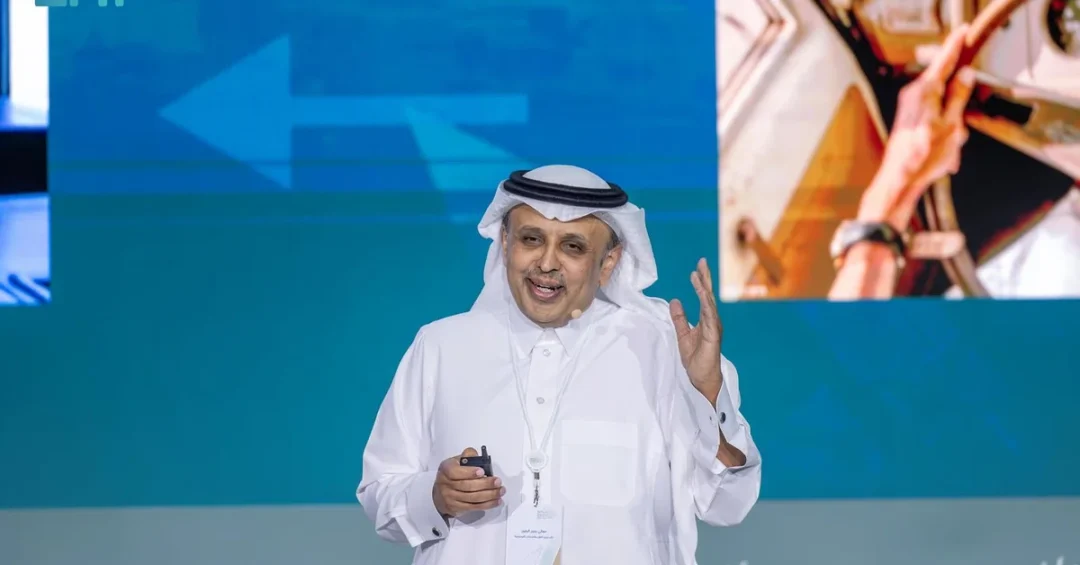
Saudi Arabia’s public transport transformation is a strategic investment in quality of life, safety, and environmental sustainability, Dr. Rumaih bin Muhammad Al-Rumaih, President of the Saudi Railways Organization, announced during the 2025 Budget Forum organized by the Ministry of Finance in Riyadh on November 27, 2024. The initiative, aligned with Saudi Vision 2030, has already extended its benefits to 19 cities and governorates, with operational services in 14 and plans underway for five more, contributing to a dramatic reduction in urban accidents by up to 80 percent.
Context and Background
Dr. Al-Rumaih’s presentation highlighted the Kingdom’s comprehensive overhaul of its public transportation network as a cornerstone of national development. Since the launch of Vision 2030, Saudi Arabia has prioritized modern, safe, and sustainable transit to support economic diversification, population mobility, and environmental goals. The public transport transformation reflects a broader commitment to creating liveable cities and reducing reliance on private vehicles, aligning with global trends in urban planning.
Key Details
The public transport network now covers over 70 percent of the Kingdom, serving more than 200 cities and governorates. It operates 500 daily trips across 104 routes and 259 stops, with a total network length exceeding 84,903 kilometers. This expansion has improved intercity and inter-governorate connectivity, fostering economic integration and accessibility for residents and visitors alike. Dr. Al-Rumaih also emphasized that the sector’s focus on sustainability includes the introduction of electric buses and ongoing studies into hydrogen-powered buses, tailored to the Kingdom’s unique environmental and operational characteristics.
Implications and Impact
The transformation is poised to enhance public health by reducing emissions and traffic congestion, while improving road safety. The 80 percent drop in urban accidents underscores the tangible benefits of modern transit systems. Regionally, Saudi Arabia’s investment sets a benchmark for sustainable urban mobility in the Middle East, supporting the Kingdom’s role as a leader in green transportation. The integration of electric and hydrogen technologies aligns with global climate commitments and positions the Kingdom at the forefront of the energy transition in transport.
Vision 2030 Alignment
Saudi Arabia’s public transport transformation directly advances Vision 2030 goals of improving quality of life, fostering economic growth, and achieving environmental sustainability. By expanding connectivity across cities and governorates, the initiative supports tourism, trade, and social inclusion, while reducing carbon footprints. As the Kingdom continues to innovate with zero-emission buses and expanded networks, this investment underscores a long-term commitment to building a resilient, people-centric nation prepared for the future.
20 Questions
Q1. Who presented the public transport transformation overview?
A1. Dr. Rumaih bin Muhammad Al-Rumaih, President of the Saudi Railways Organization, presented the overview during the 2025 Budget Forum organized by the Ministry of Finance.
Q2. What event featured this presentation?
A2. It was presented at the 2025 Budget Forum, organized by the Ministry of Finance, held in Riyadh on November 27, 2024.
Q3. How many cities and governorates have benefited from the transformation so far?
A3. The transformation has impacted 19 cities and governorates since the launch of Vision 2030, with services operational in 14 and plans for five more.
Q4. What reduction in urban accidents has been achieved?
A4. Urban accidents have been reduced by up to 80 percent due to improved public transportation services.
Q5. What percentage of the Kingdom does the public transport network cover?
A5. The network covers over 70 percent of the Kingdom, including more than 200 cities and governorates.
Q6. How many daily trips does the network offer?
A6. The network offers 500 daily trips across 104 routes and 259 stops.
Q7. What is the total length of the public transport network?
A7. The total length of the network exceeds 84,903 kilometers.
Q8. What environmental initiatives were highlighted?
A8. The introduction of electric buses and ongoing studies into hydrogen-powered buses were highlighted as key environmental sustainability initiatives.
Q9. How does this initiative align with global trends?
A9. It aligns with global trends in sustainable urban mobility by reducing emissions, traffic congestion, and reliance on private vehicles.
Q10. What is the main goal of introducing electric buses?
A10. The main goal is to reduce environmental pollution and enhance the sustainability of the transportation sector in the Kingdom.
Q11. Are there plans for hydrogen-powered buses?
A11. Yes, the Saudi Railways Organization is conducting ongoing studies into hydrogen-powered buses as a future step tailored to the Kingdom’s unique characteristics.
Q12. Which ministry organized the Budget Forum?
A12. The 2025 Budget Forum was organized by the Ministry of Finance of Saudi Arabia.
Q13. How does the transformation improve quality of life?
A13. It enhances quality of life by providing safe, diverse, and efficient transportation options that reduce pollution and travel times.
A14. The expansion supports economic integration by connecting more than 200 cities and governorates, facilitating trade, tourism, and workforce mobility.
A15. Tourism is supported by improving accessibility to destinations across the Kingdom via an extensive and reliable public transport network.
A16. The initiative reduces carbon footprints by promoting the use of electric and hydrogen-powered buses over traditional fuel-based vehicles.
A17. Future plans include expanding services to five more cities and governorates and continuing research into zero-emission vehicle technologies.
A18. This sets a benchmark for other countries in the region to follow in sustainable urban mobility and public safety improvements.
A19. Challenges include integrating new technologies and ensuring infrastructure meets the unique environmental conditions of Saudi Arabia.
A20. The initiative directly supports Vision 2030 by improving quality of life, fostering economic growth, and achieving environmental sustainability.
Reader Feedback
We value your thoughts. Please share your feedback on this article.
Your feedback helps us improve our coverage.