


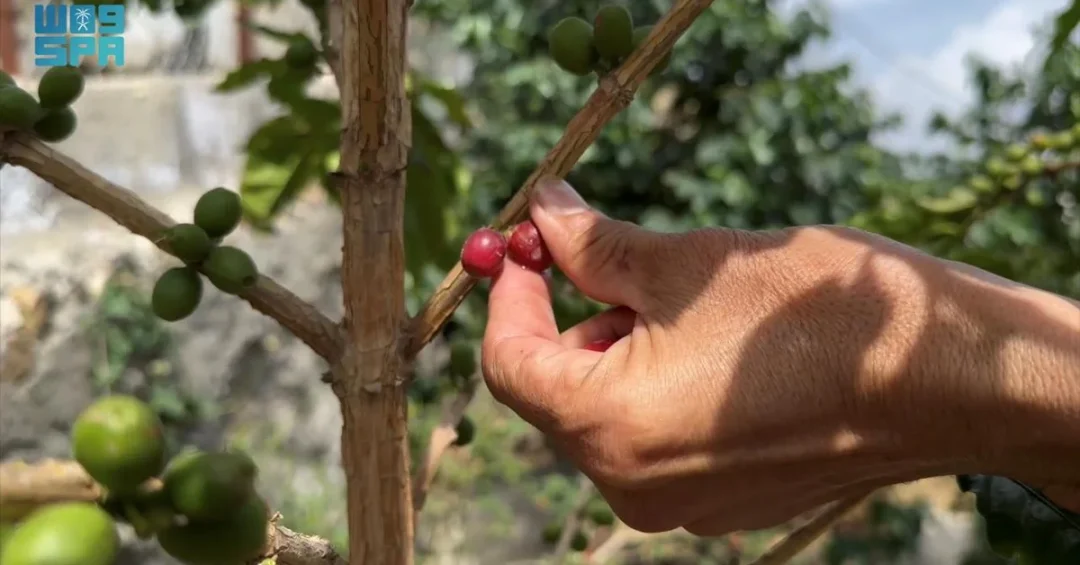
The Sustainable Agricultural Rural Development Program (Saudi Reef) organized a field trip to coffee farms in Jazan’s mountainous governorates on September 16, 2024, for a group of experts and engineers specializing in coffee quality and plant classification. The initiative, reported by the Saudi Press Agency, aims to enhance the skills of local farmers in quality management and to systematically classify coffee plants based on genetic traits.
Context and Background
Saudi Arabia’s coffee sector is a key focus under Vision 2030, which seeks to diversify the economy and promote agricultural heritage. Jazan, with its unique high-altitude climate, is a prime region for coffee cultivation, particularly the prized Khawlani coffee variety. Saudi Reef’s efforts align with national strategies to boost domestic production and improve export quality.
Key Details
During the field trip, experts worked directly with farmers to apply quality management tools, aiming to standardize practices and improve coffee bean consistency. A major goal was to group coffee plants by desired genotypes, enabling a comprehensive molecular and chemical classification. This process will help identify the best-performing varieties for propagation and large-scale cultivation, ensuring higher yields and superior flavor profiles.
Implications and Impact
This initiative reinforces Saudi Arabia’s commitment to agricultural innovation and sustainable rural development. By equipping local farmers with modern techniques, the program strengthens the Kingdom’s position in the global coffee market. It also supports rural communities in Jazan, creating economic opportunities and preserving traditional farming knowledge while integrating scientific advancements.
Vision 2030 Alignment
The field trip exemplifies Saudi Arabia’s dedication to achieving Vision 2030 goals by promoting sustainable agriculture, enhancing food security, and developing the non-oil economy. By elevating the quality of Khawlani coffee and empowering local farmers, Saudi Reef is helping to build a vibrant agricultural sector that contributes to the Kingdom’s long-term prosperity and global reputation.
20 Questions
Q1. What is Saudi Reef?
A1. Saudi Reef is the Sustainable Agricultural Rural Development Program in Saudi Arabia, launched under Vision 2030 to support farmers, improve agricultural practices, and boost rural economies.
Q2. When was the field trip to Jazan coffee farms organized?
A2. The field trip was organized on September 16, 2024, as reported by the Saudi Press Agency.
Q3. Who participated in the field trip?
A3. The field trip included a group of experts and engineers specializing in coffee quality and plant classification, who visited farms with local farmers.
Q4. Where were the coffee farms located?
A4. The coffee farms are located in the mountainous governorates of Jazan, a region in southwestern Saudi Arabia known for its coffee cultivation.
Q5. What is the main goal of the field trip?
A5. The main goal is to improve farmers’ skills in using quality management tools and to enhance the overall quality of coffee produced in the region.
Q6. Why is plant classification important for coffee?
A6. Plant classification groups coffee plants by genotypes, enabling molecular and chemical analysis to identify desirable traits for better yield, disease resistance, and taste.
Q7. How does this initiative support Vision 2030?
A7. It supports Vision 2030 by promoting sustainable agriculture, diversifying the economy, and improving the quality of Saudi coffee for domestic and international markets.
Q8. What is Khawlani coffee?
A8. Khawlani coffee is a premium coffee variety grown in Jazan, known for its distinct flavor and heritage, and is a focus of Saudi agricultural development.
Q9. How will farmers benefit from this program?
A9. Farmers gain skills in quality management, access to expert guidance, and improved techniques that can lead to higher-quality beans and better market prices.
Q10. What types of experts were involved in the trip?
A10. The trip involved experts and engineers specializing in coffee quality assessment and plant classification, who provided hands-on training and scientific insight.
Q11. Is there a molecular analysis component to this classification?
A11. Yes, the classification includes a comprehensive molecular and chemical analysis to group plants with similar genetic and chemical profiles for better breeding.
Q12. What does sustainable rural development mean in this context?
A12. It means improving farming practices and livelihoods in rural areas like Jazan while protecting natural resources and ensuring long-term agricultural viability.
Q13. How does quality management apply to coffee farming?
A13. Quality management involves standardized processes for harvesting, processing, and storage to ensure consistent bean quality, reduce defects, and enhance flavor.
Q14. Will this help Saudi Arabia export more coffee?
A14. Yes, by improving quality and classification, Saudi coffee can meet international standards, increasing export potential and global recognition.
Q15. What is the role of the Saudi Press Agency?
A15. The Saudi Press Agency (SPA) is the official news source that reported on the field trip, providing verified information about the initiative.
Q16. How does this field trip fit into broader agricultural programs?
A16. It is part of Saudi Reef’s broader efforts to support coffee farmers and other agricultural sectors, aligning with national food security and sustainability goals.
Q17. Are there plans for similar trips in the future?
A17. While not stated, continuous skill-building programs are typical under Saudi Reef, suggesting ongoing support and future field trips may follow.
Q18. What makes Jazan ideal for coffee farming?
A18. Jazan’s mountainous regions have a unique climate with cooler temperatures and high altitude, which are ideal for growing high-quality coffee beans.
Q19. How does plant classification help the environment?
A19. By selecting plants with desirable traits, farmers can use fewer resources like water and fertilizers, promoting more sustainable and environmentally friendly farming.
Q20. What is the expected outcome of this field trip?
A20. The expected outcome includes better coffee quality, empowered farmers with modern skills, and a stronger foundation for the Kingdom’s coffee industry to grow.
Reader Feedback
We value your thoughts. Please share your feedback on this article.
Your feedback helps us improve our coverage.