


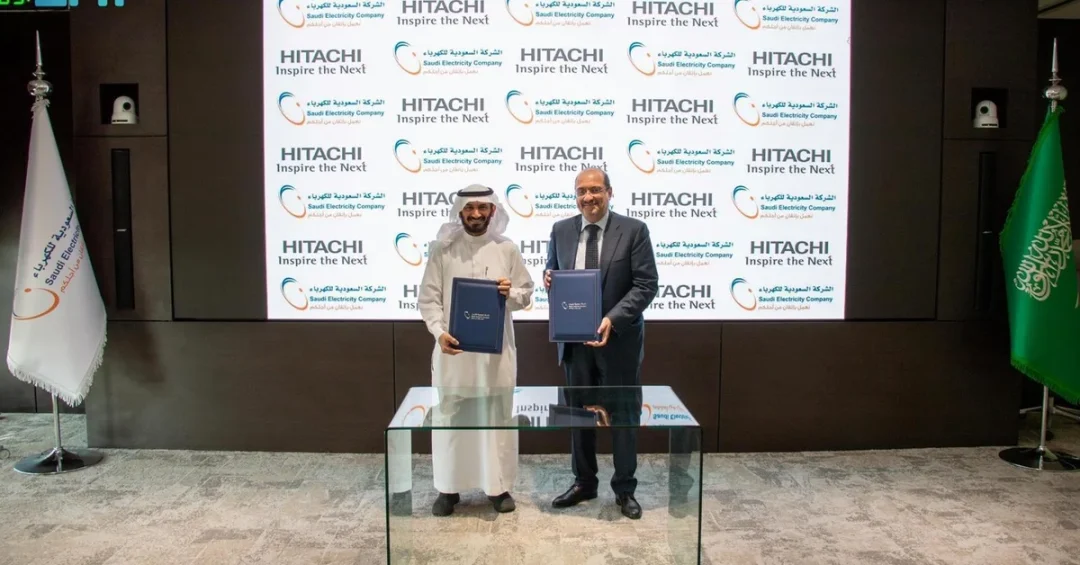
The Saudi Electricity Company (SEC) signed a memorandum of understanding with Hitachi Energy on February 8, 2025, in Riyadh to adopt advanced eco-friendly technology for electrical switches and circuit breakers free from sulfur hexafluoride (SF6), a potent greenhouse gas. The agreement, announced by the Saudi Press Agency, marks a significant step in the Kingdom’s efforts to decarbonize its electricity sector and aligns with its broader sustainability goals under Vision 2030. The MoU was signed at SEC headquarters in the presence of acting Executive Vice President for Technical Services Eng. Nasser Mohammed Al-Sulami and Hitachi Energy Managing Director in Saudi Arabia Mohammed Al-Masri.
Context and Background
Sulfur hexafluoride has been widely used in electrical equipment for decades due to its excellent insulating properties, but it has a global warming potential 23,500 times higher than CO2. The partnership between SEC and Hitachi Energy seeks to replace SF6 with environmentally friendly alternatives in high- and medium-voltage switches and circuit breakers, without compromising performance, quality, or safety. This initiative is part of Saudi Arabia’s broader commitment to reducing greenhouse gas emissions and transitioning to cleaner energy sources, as outlined in the Saudi Green Initiative and Vision 2030.
Key Details
The MoU covers the development and deployment of SF6-free technology across SEC’s grid infrastructure. Hitachi Energy, a global leader in sustainable energy solutions, will provide expertise and equipment using alternatives such as fluoronitrile-based gas mixtures that have a significantly lower environmental impact. The agreement builds on a long-standing relationship between the two entities, with Hitachi Energy having previously supplied transformers and other grid components to SEC. Financial terms were not disclosed, but the collaboration is expected to accelerate the adoption of green technologies in the Kingdom’s power sector.
Implications and Impact
This move positions Saudi Arabia as a regional leader in sustainable grid modernization. By eliminating SF6 from its electrical systems, SEC will reduce its carbon footprint and set a benchmark for utilities across the Middle East. The technology is also expected to enhance grid reliability and safety, as the alternative gases are non-toxic and non-flammable. Moreover, the partnership supports global efforts to phase down SF6 under the Kigali Amendment to the Montreal Protocol, reinforcing the Kingdom’s international environmental commitments. The collaboration could also stimulate local manufacturing and innovation in green energy technologies, creating new economic opportunities aligned with Vision 2030’s industrial diversification goals.
Vision 2030 Alignment
The SEC-Hitachi Energy partnership directly supports Vision 2030’s objectives of environmental sustainability and economic transformation. By deploying SF6-free technology, the Kingdom advances its goal of generating 50% of its energy from renewables by 2030 while ensuring a reliable and modern grid. This initiative complements other SEC projects, such as smart grid deployments and renewable energy integration, highlighting Saudi Arabia’s holistic approach to a greener future. As the Kingdom continues to host global events and attract international investment, such collaborations underscore its commitment to leading the region in sustainable development and achieving net-zero emissions by 2060.
20 Questions
Q1. What is the main purpose of the MoU between SEC and Hitachi Energy?
A1. The MoU aims to adopt advanced technology for electrical switches and circuit breakers that are free from sulfur hexafluoride (SF6), a potent greenhouse gas, to enhance sustainability in Saudi Arabia’s electricity sector.
Q2. When and where was the MoU signed?
A2. The MoU was signed on February 8, 2025, at SEC headquarters in Riyadh, in the presence of senior officials from both companies.
Q3. Who signed the MoU on behalf of SEC?
A3. The MoU was signed by Eng. Nasser Mohammed Al-Sulami, acting Executive Vice President for Technical Services at SEC.
Q4. Who represented Hitachi Energy at the signing?
A4. Mohammed Al-Masri, Managing Director of Hitachi Energy in Saudi Arabia, represented the company at the signing.
Q5. What is sulfur hexafluoride and why is it a concern?
A5. Sulfur hexafluoride (SF6) is a gas used in electrical equipment for insulation, but it has a global warming potential 23,500 times higher than CO2, making it a major environmental concern.
Q6. What alternatives to SF6 will be used under this partnership?
A6. The partnership will use environmentally friendly alternatives such as fluoronitrile-based gas mixtures that have a much lower environmental impact while maintaining performance and safety.
Q7. How does this initiative support Saudi Arabia’s environmental goals?
A7. It supports the Saudi Green Initiative and Vision 2030 by reducing greenhouse gas emissions and promoting clean energy technologies in the electricity sector.
Q8. What types of electrical equipment are covered by the MoU?
A8. The MoU covers high- and medium-voltage electrical switches and circuit breakers used in power grids.
Q9. Will the new technology compromise quality or safety?
A9. No, the alternative technology maintains the same quality, performance, and safety requirements as SF6-based equipment.
Q10. How does this partnership benefit grid reliability?
A10. By adopting advanced, eco-friendly technology, the grid’s reliability and safety are enhanced while reducing environmental impact.
Q11. Is this the first collaboration between SEC and Hitachi Energy?
A11. No, the companies have a long-standing relationship, with Hitachi Energy previously supplying transformers and other grid components to SEC.
Q12. What is the broader significance for the Middle East region?
A12. Saudi Arabia positions itself as a regional leader in sustainable grid modernization, setting a benchmark for other utilities in the Middle East.
Q13. Does the agreement have international environmental relevance?
A13. Yes, it supports global efforts to phase down SF6 under the Kigali Amendment to the Montreal Protocol.
Q14. How does this align with Vision 2030’s energy goals?
A14. It supports Vision 2030’s target of generating 50% of energy from renewables by 2030 and achieving net-zero emissions by 2060.
Q15. Could this partnership create new economic opportunities?
A15. Yes, it could stimulate local manufacturing and innovation in green energy technologies, diversifying the economy per Vision 2030.
Q16. What other sustainability projects is SEC pursuing?
A16. SEC is also involved in smart grid deployments and renewable energy integration as part of its sustainability efforts.
Q17. Was the MoU announced through official channels?
A17. Yes, the announcement was made by the Saudi Press Agency (SPA), an official Saudi news authority.
Q18. What is the role of Hitachi Energy in this partnership?
A18. Hitachi Energy provides expertise and equipment for SF6-free technology, leveraging its global experience in sustainable energy solutions.
Q19. How does this technology help reduce global warming?
A19. By eliminating SF6, which has a very high global warming potential, the technology directly reduces greenhouse gas emissions from electrical equipment.
Q20. What is the expected timeline for implementing this technology?
A20. Specific timelines were not disclosed, but the MoU initiates cooperation that is expected to accelerate the deployment of SF6-free technology in Saudi Arabia’s grid.
Reader Feedback
We value your thoughts. Please share your feedback on this article.
Your feedback helps us improve our coverage.