


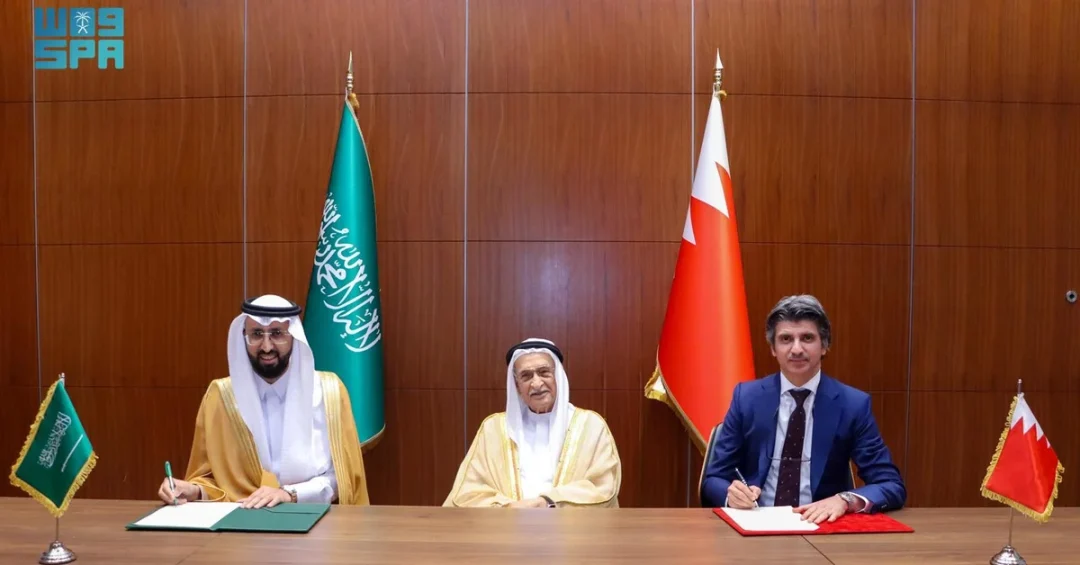
Saudi Food and Drug Authority (SFDA) Chief Executive Dr. Hisham Aljadhey participated in the inaugural session of the Arab Health Organizations Conference and Forum, alongside an accompanying exhibition, in Manama, Kingdom of Bahrain, on September 13, 2024. The event, attended by officials and leaders from health organizations across the Gulf Cooperation Council (GCC) countries and other Arab nations, underscored the importance of regional collaboration in advancing public health standards and regulatory harmonization.
Context and Background
The conference marks a significant step in fostering unified approaches to health regulation across the Arab world. Dr. Aljadhey’s attendance highlights Saudi Arabia’s leadership in promoting cooperative frameworks that align with the Kingdom’s broader objectives under Vision 2030, which prioritizes healthcare quality and regional integration. The event builds on longstanding partnerships, particularly with Bahrain, to ensure streamlined approval processes for critical health products.
Key Details
On the sidelines of the conference, the SFDA signed a cooperative program linked to the memorandum of understanding (MoU) established with Bahrain’s National Health Regulatory Authority (NHRA) in 2019. The program focuses on the approval of pharmaceutical preparations, medical devices, and supplies. The signing ceremony took place in the presence of Supreme Council of Health Chairman Lieutenant General Dr. Sheikh Mohammed bin Abdullah Al Khalifa. The agreement was signed by Dr. Hisham Aljadhey and NHRA Chief Executive Dr. Ahmed Mohammed Al Ansari.
Implications and Impact
Under the new program, pharmaceutical preparations, medical devices, and supplies already approved by the SFDA will also be approved by Bahrain’s NHRA, reducing duplication and expediting access to essential health products. The 2019 MoU aims to facilitate the exchange of information on laboratory test results for medicines, health products, and medical devices registered with both parties. It also includes collaboration in clinical research approval and execution through legal frameworks, conducting joint factory inspections, and engaging in joint training initiatives. Additionally, the agreement covers the exchange of information on drug warnings, reports, and incidents related to medical devices, supplies, and products. This cooperation strengthens the Kingdom’s role as a regional hub for regulatory excellence and public health leadership.
Vision 2030 Alignment
This partnership directly supports Vision 2030’s goal of enhancing the quality of life through improved healthcare access and regulatory efficiency. By fostering regional harmonization in health product approvals, Saudi Arabia is contributing to a more integrated and resilient healthcare ecosystem in the GCC and beyond. The SFDA’s proactive engagement in such forums reinforces the Kingdom’s commitment to global health standards and its ambition to become a leading destination for investment in healthcare innovation and collaboration.
20 Questions
Q1. Who represented Saudi Arabia at the Arab Health Organizations Conference and Forum?
A1. Saudi Food and Drug Authority (SFDA) Chief Executive Dr. Hisham Aljadhey represented Saudi Arabia at the conference, held in Manama, Kingdom of Bahrain, on September 13, 2024.
Q2. What was the main purpose of the conference?
A2. The conference aimed to foster regional collaboration among health organizations from GCC countries and other Arab nations to advance public health standards and regulatory coordination.
Q3. Where was the conference held?
A3. The inaugural session of the Arab Health Organizations Conference and Forum took place in Manama, the capital of the Kingdom of Bahrain.
Q4. What agreement was signed on the sidelines of the conference?
A4. The SFDA signed a cooperative program linked to a 2019 memorandum of understanding (MoU) with Bahrain’s National Health Regulatory Authority (NHRA), focusing on approval of pharmaceutical preparations, medical devices, and supplies.
Q5. Who signed the cooperative program?
A5. The agreement was signed by SFDA Chief Executive Dr. Hisham Aljadhey and NHRA Chief Executive Dr. Ahmed Mohammed Al Ansari.
Q6. What does the cooperative program entail?
A6. Under the program, pharmaceutical preparations, medical devices, and supplies already approved by the SFDA will also be approved by Bahrain’s NHRA, streamlining regulatory processes.
Q7. When was the original MoU between SFDA and NHRA established?
A7. The original MoU was established in 2019 to facilitate cooperation in health product regulation and information exchange between Saudi Arabia and Bahrain.
Q8. Who attended the signing ceremony in Bahrain?
A8. Supreme Council of Health Chairman Lieutenant General Dr. Sheikh Mohammed bin Abdullah Al Khalifa attended the signing ceremony alongside other officials.
Q9. What is the goal of the 2019 MoU?
A9. The 2019 MoU aims to facilitate exchange of laboratory test results, collaborate on clinical research, conduct joint inspections, and share information on drug warnings and medical device incidents.
Q10. How does the cooperative program benefit the public?
A10. It reduces regulatory duplication, speeding up access to safe and effective medicines and medical devices in both Saudi Arabia and Bahrain, enhancing public health.
Q11. Which countries participated in the conference?
A11. The conference included officials and leaders from health organizations across all Gulf Cooperation Council (GCC) countries and other Arab nations.
Q12. What is the role of the SFDA in Saudi Arabia?
A12. The SFDA regulates food, drugs, medical devices, and health products to ensure their safety, quality, and efficacy for the public in the Kingdom of Saudi Arabia.
Q13. How does this event support Saudi Vision 2030?
A13. The collaboration supports Vision 2030 by improving healthcare quality and regulatory efficiency, contributing to a better quality of life and regional health integration.
Q14. What types of products are covered by the cooperative program?
A14. The program covers pharmaceutical preparations, medical devices, and supplies, including those that have been registered and approved by the SFDA.
Q15. Will the SFDA and NHRA conduct joint inspections?
A15. Yes, the 2019 MoU includes provisions for conducting joint factory inspections to ensure compliance with regulatory standards in both countries.
Q16. Does the agreement include collaboration on clinical research?
A16. Yes, the MoU focuses on collaborating in the approval and execution of clinical research through established legal frameworks between Saudi Arabia and Bahrain.
Q17. How does this agreement affect drug safety monitoring?
A17. It enables the exchange of information on drug warnings, reports, and incidents, strengthening pharmacovigilance and medical device safety across both nations.
Q18. What is the significance of Dr. Aljadhey’s participation?
A18. Dr. Aljadhey’s presence underscores Saudi Arabia’s leadership in regional health regulation and its commitment to collaborative frameworks that advance public health.
Q19. Are there plans for joint training initiatives?
A19. Yes, the MoU includes engaging in joint training initiatives to build regulatory capacity and expertise for both the SFDA and NHRA.
Q20. What does this partnership mean for regional health integration?
A20. It promotes harmonization of health product approvals, facilitating trade and cooperation in the GCC, and strengthening the Arab region’s collective public health response.
Reader Feedback
We value your thoughts. Please share your feedback on this article.
Your feedback helps us improve our coverage.