
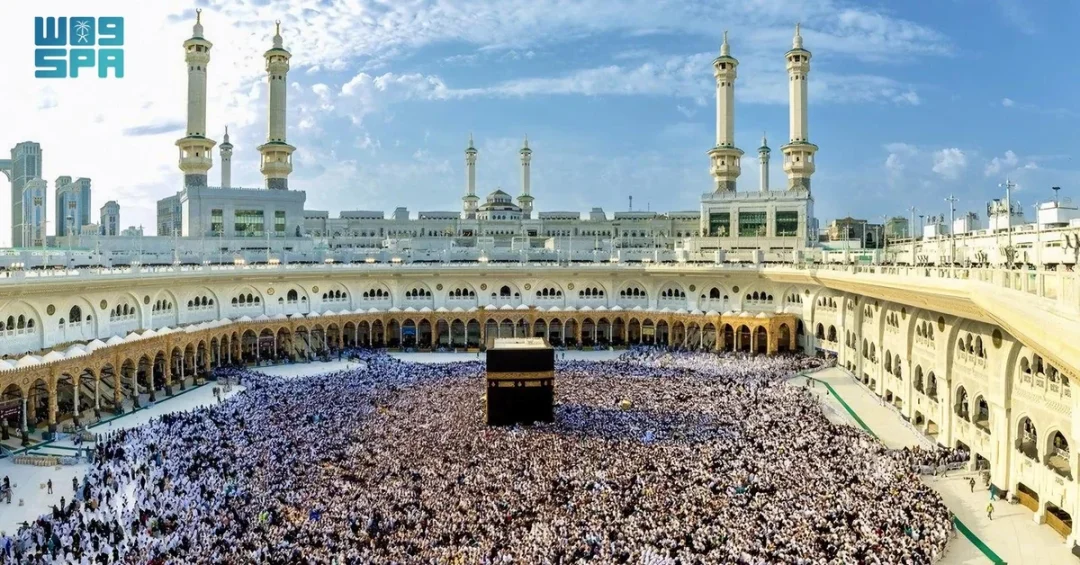
The General Authority for the Care of the Affairs of the Grand Mosque and the Prophet’s Mosque has announced the completion of its comprehensive operational plan for the upcoming holy month of Ramadan 1447 AH, ensuring readiness to welcome worshippers with enhanced services and safety. The authority, in an official statement released via the Saudi Press Agency, detailed that the integrated plan focuses on achieving the highest standards of service quality, operational efficiency, and safety at the Two Holy Mosques in Makkah and Madinah. This preparation aligns with the directives of Saudi Arabia’s leadership to continuously care for the holy sites and enrich the spiritual journey of visitors.
Context and Background
The announcement comes as part of the Kingdom of Saudi Arabia’s ongoing, multi-year effort to develop and manage the Two Holy Mosques, which host millions of worshippers annually, with significant increases during Ramadan and Hajj seasons. The General Authority for the Care of the Affairs of the Grand Mosque and the Prophet’s Mosque is the specialized government body responsible for all operational, technical, and service aspects of these sites. Its work is a cornerstone of Saudi Arabia’s custodianship of Islam’s holiest sites, a role the Kingdom holds with profound responsibility. The preparations for Ramadan are among the authority’s most critical annual undertakings, requiring meticulous coordination to manage large crowds while ensuring a seamless and spiritually fulfilling experience.
Key Details of the Operational Plan
According to the official statement, the authority’s plan for Ramadan 1447 AH is built on a foundation of qualitative and enrichment projects designed to enhance service delivery. The plan is engineered to operate at maximum capacity during peak times, leveraging qualified personnel and the authority’s accumulated expertise. It emphasizes integration with other relevant government entities to ensure cohesive facility management and operations. A core stated objective is to raise operational efficiency and reliability, directly supporting the increasing numbers of Umrah performers and worshippers expected during the holy month. The authority reaffirmed its commitment to implementing the directives of the Saudi leadership to further develop services in line with this growth.
Implications and Impact
The successful execution of this operational plan has significant implications for both worshippers and Saudi Arabia’s global standing. For the millions of international and domestic visitors, it translates to a safer, more organized, and deeply enriching spiritual experience during Ramadan. Regionally and internationally, it reinforces Saudi Arabia’s role as a capable and dedicated custodian of the holy sites, a key pillar of its foreign policy and Islamic diplomacy. The focus on integrated, high-quality service management also showcases the Kingdom’s advanced logistical and administrative capabilities on a global stage, building confidence among the worldwide Muslim community in the management of their most sacred destinations.
Vision 2030 Alignment
This meticulous preparation for Ramadan directly supports the goals of Saudi Vision 2030, the Kingdom’s transformative national blueprint. The plan’s emphasis on operational excellence, service quality, and leveraging expertise aligns with Vision 2030’s broader objectives of enhancing government efficiency and developing service sectors to world-class standards. Furthermore, by enriching the experience for pilgrims and Umrah performers, the authority contributes to the Vision’s goal of welcoming increasing numbers of religious visitors, which is a central component of developing the tourism and cultural sectors under the program. This work exemplifies how Saudi institutions are actively implementing the Vision’s principles to strengthen the nation’s foundational services while building for a prosperous future.
20 Questions
Q1. What has the Two Holy Mosques Authority announced?
A1. The authority has announced the completion of its comprehensive, integrated operational plan for the holy month of Ramadan 1447 AH, ensuring all services and facilities are ready.
Q2. Who is responsible for the Two Holy Mosques?
A2. The General Authority for the Care of the Affairs of the Grand Mosque and the Prophet’s Mosque is the official Saudi government body responsible for managing and servicing the holy sites.
Q3. What is the main goal of the operational plan?
A3. The main goal is to achieve the highest standards of service quality, safety, and operational efficiency for worshippers during the peak season of Ramadan.
Q4. How does the plan handle large crowds?
A4. The plan is designed to operate at maximum capacity during peak times, using qualified personnel and integrated coordination with other entities to manage crowds effectively.
Q5. What directives guide the authority’s work?
A5. The authority works under the directives of the Saudi leadership to care for the Two Holy Mosques and their visitors, constantly enhancing and developing services.
Q6. Why is preparation for Ramadan particularly important?
A6. Ramadan sees a significant increase in worshippers and Umrah performers, requiring exceptional planning to ensure safety, organization, and a quality spiritual experience.
Q7. What are “qualitative and enrichment projects”?
A7. These are specialized initiatives within the operational plan aimed at directly improving and enriching the services and overall experience provided to visitors.
Q8. How does this announcement reflect Saudi Arabia’s role?
A8. It underscores Saudi Arabia’s dedicated custodianship of Islam’s holiest sites, demonstrating commitment and capability in serving the global Muslim community.
Q9. What does “integrated operational plan” mean?
A9. It means the plan coordinates the authority’s work seamlessly with other relevant government agencies to ensure unified and efficient management of all operations.
Q10. How does this benefit international visitors?
A10. International visitors benefit from a well-managed, safe, and spiritually fulfilling environment, making their pilgrimage or Umrah during Ramadan smoother and more meaningful.
Q11. Is this a new initiative?
A11. While preparations occur annually, the plan for each season is updated and enhanced based on past experience and to meet evolving needs and higher standards.
Q12. What is the source of this information?
A12. All details are based on the official statement released by the authority and published by the Saudi Press Agency (SPA), the state news service.
Q13. Does this involve technical preparations?
A13. Yes, the authority’s preparations encompass both operational and technical aspects to ensure all facilities and systems are functioning optimally for Ramadan.
Q14. How does this support Saudi Arabia’s global image?
A14. It projects an image of a highly organized, hospitable, and responsible nation capable of managing world-scale religious events with professionalism and care.
Q15. What is the significance of “accumulated expertise”?
A15. It refers to the deep institutional knowledge and experience the authority has gained over years of managing the holy sites, which is applied to improve each season’s plan.
Q16. Are services being developed for future growth?
A16. Yes, the authority explicitly stated its work includes further developing services in line with the increasing numbers of visitors, planning for future capacity.
Q17. How is safety prioritized in the plan?
A17. Achieving the highest standards of safety and reliability is a stated foundational objective of the comprehensive operational plan for the season.
Q18. What is the role of other entities?
A18. Other relevant government entities work in integration with the authority to provide cohesive support in areas like security, health, and crowd management.
Q19. How does this relate to Umrah performers?
A19. The plan directly addresses the needs of the growing number of Umrah performers, aiming to enrich their spiritual experience during the holy month of Ramadan.
Q20. What is the long-term vision behind such plans?
A20. These efforts are part of the long-term vision to sustainably manage the holy sites, continuously improve services, and fulfill Saudi Arabia’s custodial role for generations to come.