


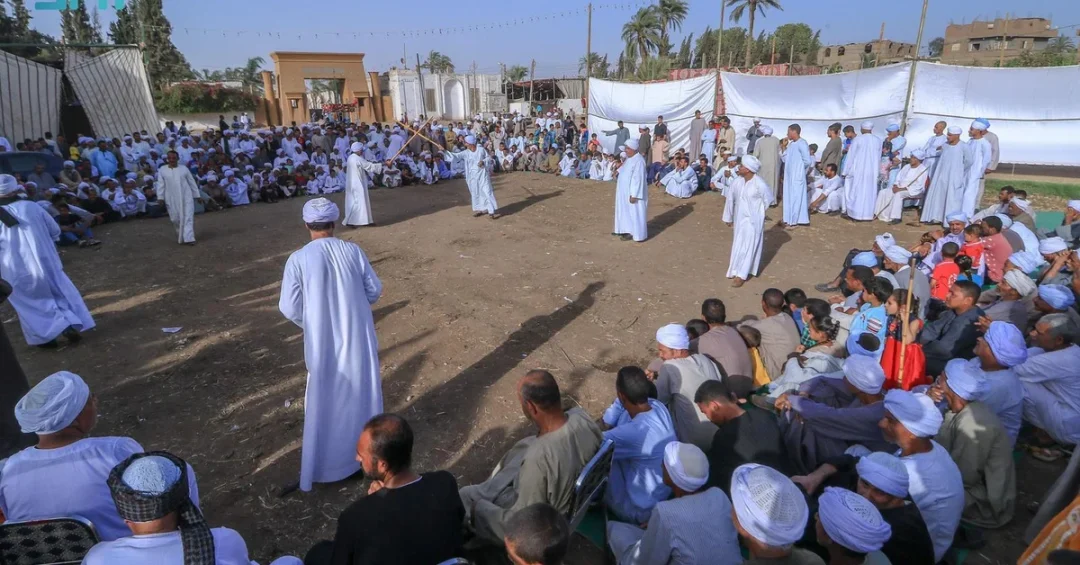
The ancient Egyptian martial art of Tahteeb, recognized by UNESCO for its cultural significance, continues to thrive as a living tradition that embodies courage and community. Originating in Pharaonic times, this graceful yet intense duel with bamboo sticks, accompanied by traditional Saeedy folk music, has evolved from combat training into a celebrated symbol of Egypt’s intangible heritage. The art form was inscribed in 2016 on UNESCO’s Representative List of the Intangible Cultural Heritage of Humanity, underscoring its global value and the importance of safeguarding such traditions.
Context and Background
Tahteeb, often described as a stick-fighting dance, has deep roots in Upper Egyptian culture. Historically used for military training and entertainment, it now serves as a powerful expression of identity and social cohesion. The annual Tahteeb festival in Luxor, held each December, is a key event where participants display their skill and passion. Organized by the Egyptian Ministry of Culture, the festival promotes cultural dialogue and attracts both local and international audiences, reinforcing the role of traditional practices in modern society.
Key Details
The 14th edition of the Luxor festival, as confirmed by organizer Ahmed Al-Shafei in an interview with the Saudi Press Agency (SPA), will feature performances by folk art groups from various governorates. Al-Shafei emphasized that Tahteeb is vital for preserving Egypt’s cultural identity and fostering a sense of community. The event is expected to draw tourists, contributing to local cultural tourism and regional economic activity. The practice remains a living tradition, passed down through generations, and its UNESCO recognition has helped elevate its profile internationally.
Implications and Impact
Tahteeb’s preservation highlights a broader regional commitment to safeguarding intangible cultural heritage. For Saudi Arabia and its neighbors, such traditions complement the Kingdom’s own focus on cultural development under Vision 2030. The Saudi government has invested heavily in cultural heritage, including the establishment of the Ministry of Culture and projects like Diriyah Gate, which aim to revive and share Saudi traditions. By supporting events like the Luxor festival, Gulf states contribute to a shared Arab cultural renaissance, promoting mutual understanding and tourism.
Vision 2030 Alignment
For Saudi Arabia, the preservation of traditional arts like Tahteeb aligns with Vision 2030 goals of enriching cultural life, boosting tourism, and strengthening national identity. As the Kingdom opens to international visitors through initiatives such as the Tourism Development Fund and Red Sea Project, recognizing and celebrating regional heritage becomes increasingly important. The example of Tahteeb serves as inspiration for similar efforts in Saudi Arabia, where traditional arts like Al-Ardha (Saudi sword dance) are being revitalized. By learning from Egypt’s successful model, Saudi Arabia can accelerate its own cultural preservation efforts, fostering a vibrant heritage sector that contributes to a diversified economy.
20 Questions
Q1. What is Tahteeb?
A1. Tahteeb is an ancient Egyptian martial art and cultural tradition involving a duel with bamboo sticks, accompanied by traditional Saeedy folk music. It originated in Pharaonic times and is recognized by UNESCO.
Q2. Where does Tahteeb originate from?
A2. Tahteeb originates from Upper Egypt, with roots dating back to Pharaonic times. It has been practiced for centuries as a form of combat training and entertainment.
Q3. When was Tahteeb recognized by UNESCO?
A3. Tahteeb was inscribed in 2016 on UNESCO’s Representative List of the Intangible Cultural Heritage of Humanity, highlighting its global cultural importance.
Q4. What is the annual Tahteeb festival in Luxor?
A4. The annual Tahteeb festival in Luxor is held every December, organized by the Egyptian Ministry of Culture. It showcases the skill and passion of participants from across Egypt.
Q5. Who organizes the Tahteeb festival?
A5. The festival is organized by the Egyptian Ministry of Culture to preserve the tradition and promote social cohesion.
Q6. What did Ahmed Al-Shafei say about Tahteeb?
A6. Ahmed Al-Shafei, the festival organizer, told SPA that Tahteeb helps preserve Egypt’s cultural identity and fosters a sense of community.
Q7. How does Tahteeb contribute to tourism?
A7. The annual Luxor festival attracts both local and international tourists, boosting cultural tourism and regional economic activity in Egypt.
Q8. What equipment is used in Tahteeb?
A8. Tahteeb uses bamboo sticks, wielded by two opponents in a circular arena, creating a graceful yet intense duel.
Q9. Is Tahteeb still practiced today?
A9. Yes, Tahteeb continues to thrive as a popular cultural tradition in Upper Egypt, with festivals and regular practice keeping it alive.
Q10. What music accompanies Tahteeb?
A10. Tahteeb is accompanied by traditional Upper Egyptian Saeedy folk music, which adds rhythm and cultural depth to the duel.
Q11. How does Tahteeb relate to Vision 2030?
A11. Tahteeb’s preservation inspires Saudi Arabia’s cultural development under Vision 2030, which aims to enrich heritage, boost tourism, and strengthen national identity.
Q12. What similar traditions exist in Saudi Arabia?
A12. Saudi Arabia has traditions like Al-Ardha (Saudi sword dance), which are being revitalized through Ministry of Culture initiatives.
Q13. Why is Tahteeb important for cultural identity?
A13. Tahteeb serves as a symbol of courage, strength, and heritage, helping preserve Egypt’s cultural identity and fostering community bonds.
Q14. How many editions of the Luxor festival have been held?
A14. The 14th edition of the festival is scheduled, indicating a longstanding tradition that began in the early 2000s.
Q15. What groups perform at the Tahteeb festival?
A15. Folk art groups from various Egyptian governorates perform at the festival, showcasing regional variations of the tradition.
Q16. What is UNESCO’s role in preserving Tahteeb?
A16. UNESCO recognized Tahteeb as intangible cultural heritage in 2016, helping protect and promote the practice globally.
Q17. How does Tahteeb promote social cohesion?
A17. By bringing communities together through shared practice and festivals, Tahteeb fosters unity and mutual respect among participants and audiences.
Q18. What is the history of Tahteeb?
A18. Tahteeb dates back to Pharaonic times, originally used for combat training and entertainment, evolving into a cultural tradition over millennia.
Q19. Can international tourists watch Tahteeb?
A19. Yes, the annual Luxor festival welcomes international tourists, offering them an authentic cultural experience and insight into Egyptian heritage.
Q20. What is the future of Tahteeb?
A20. With UNESCO recognition and continued festival support, Tahteeb is likely to endure as a living tradition, inspiring similar cultural preservation in the region.
Reader Feedback
We value your thoughts. Please share your feedback on this article.
Your feedback helps us improve our coverage.