


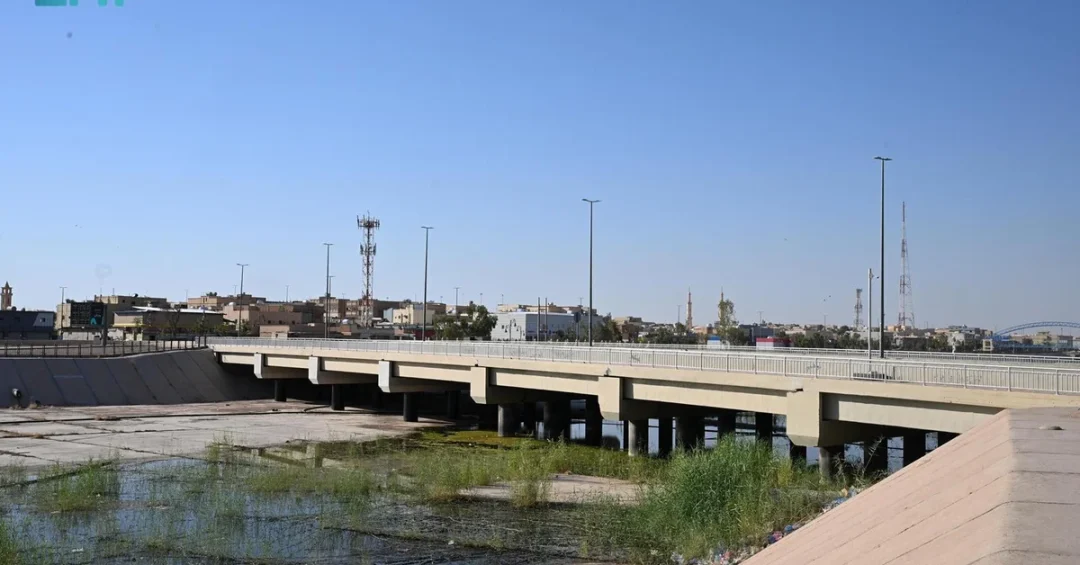
Wadi Arar, a vast valley spanning approximately 190 square kilometers in Saudi Arabia’s Northern Borders region, has been officially designated for restoration and development under a comprehensive plan aimed at preserving its ecological and historical significance. The wadi, which runs alongside the city of Arar, has long been a destination for both local residents and international visitors drawn to its scenic landscapes and diverse natural features. The announcement, reported by the Saudi Press Agency (SPA), highlights the Kingdom’s commitment to environmental sustainability and heritage conservation.
Context and Background
The Northern Borders region is distinguished by its rich topography of wadis, plains, and hills, making it a premier ecotourism destination within the Kingdom. Wadi Arar is one of the most prominent wadis in the area, historically lush with almond trees, acacia, and a variety of other plant species. According to Nasser Al-Mujlad, head of the Aman Environmental Association in the Northern Borders, the wadi was once home to animals such as the Arabian oryx, ibex, gazelles, and ostriches, underscoring its former biodiversity.
Key Details of the Restoration Plan
The newly approved comprehensive plan for Wadi Arar targets the protection of the wadi’s ecological elements from pollution and the restoration of its biodiversity. Key components of the initiative include controlling pollution, combating desertification, developing vegetation cover, and efficiently utilizing treated water resources. These measures are designed to promote environmental sustainability and ensure the wadi’s natural heritage is preserved for future generations. The plan aligns with broader national efforts to rehabilitate natural habitats across Saudi Arabia.
Cultural and Historical Significance
Wadi Arar holds a distinguished place in Arab cultural history, referenced in the works of celebrated poets such as Imru al-Qays. Historical records indicate that the Northern Borders region was once called “Al-Awda,” meaning “the one with many wadis” in Arabic, and was home to poets like Al-Nabighah and Al-Hutay’ah. This literary heritage adds a layer of cultural depth to the wadi’s natural beauty, making it not just an ecological site but also a landmark of Saudi Arabia’s rich historical tapestry.
Implications and Impact
The restoration of Wadi Arar is expected to boost ecotourism in the Northern Borders region, attracting both domestic and international travelers interested in sustainable travel and natural landscapes. By rehabilitating the area’s biodiversity and preventing further environmental degradation, the initiative supports local communities and enhances the region’s appeal as a destination for nature-based tourism. This development also reflects Saudi Arabia’s broader engagement with global environmental standards and conservation practices.
Vision 2030 Alignment
The Wadi Arar restoration project directly supports Saudi Vision 2030 by promoting environmental sustainability, enhancing quality of life, and diversifying the tourism sector. As part of the Kingdom’s commitment to preserving natural heritage and developing eco-friendly destinations, this initiative demonstrates how environmental stewardship and cultural preservation can drive economic growth and international recognition. The project underscores Saudi Arabia’s dedication to building a greener future while showcasing the unique landscapes and history of its regions to the world.
20 Questions
Q1. Where is Wadi Arar located?
A1. Wadi Arar is located in the Northern Borders region of Saudi Arabia, running alongside the city of Arar, which is named after the wadi.
Q2. How large is Wadi Arar?
A2. Wadi Arar covers approximately 190 square kilometers, making it one of the largest wadis in the Northern Borders region.
Q3. What is the main goal of the restoration plan for Wadi Arar?
A3. The main goal is to protect the wadi from pollution, restore its biodiversity, and promote environmental sustainability through controlled measures.
Q4. Who announced the restoration plan for Wadi Arar?
A4. The plan was reported by the Saudi Press Agency (SPA), based on information from local environmental authorities.
Q5. What animals once lived in Wadi Arar?
A5. Historically, the wadi was home to Arabian oryx, ibex, gazelles, and ostriches, as noted by Nasser Al-Mujlad.
Q6. What plants were found in Wadi Arar?
A6. The wadi was lush with almond trees, acacia, and various other plant species, supporting a rich ecosystem.
Q7. How does the plan combat desertification?
A7. The plan includes measures to develop vegetation cover and efficiently use treated water resources to combat desertification.
Q8. Why is Wadi Arar culturally significant?
A8. It is referenced in the works of celebrated Arab poets like Imru al-Qays, highlighting its literary heritage.
Q9. What was the Northern Borders region historically called?
A9. It was once called “Al-Awda,” meaning “the one with many wadis” in Arabic, reflecting its topography.
Q10. Who is Nasser Al-Mujlad?
A10. He is the head of the Aman Environmental Association in the Northern Borders, who provided details on Wadi Arar’s history.
Q11. What is the role of treated water in the restoration?
A11. Treated water resources will be utilized efficiently to support vegetation growth and maintain the wadi’s ecosystem.
Q12. How does the plan control pollution?
A12. The plan targets the protection of the wadi’s elements from pollution through specific control measures.
Q13. What is ecotourism in the Northern Borders region?
A13. It involves visitors experiencing the region’s natural landscapes, wadis, plains, and hills in an environmentally responsible way.
Q14. Who is Imru al-Qays?
A14. He is a celebrated pre-Islamic Arab poet whose works reference Wadi Arar, adding to its historical importance.
Q15. What is Vision 2030’s role in this project?
A15. The project supports Vision 2030 by promoting environmental sustainability, tourism diversification, and heritage preservation.
Q16. How does this project benefit local communities?
A16. It boosts ecotourism, creating economic opportunities and enhancing the region’s appeal for sustainable travel.
Q17. What is the Aman Environmental Association?
A17. It is an organization focused on environmental conservation in the Northern Borders, involved in the restoration effort.
Q18. How does the plan restore biodiversity?
A18. By developing vegetation cover and protecting natural habitats, the plan aims to revive the wadi’s original flora and fauna.
Q19. What is the significance of wadis in Saudi Arabia?
A19. Wadis are vital ecological and cultural features, serving as natural habitats and historical landmarks across the Kingdom.
Q20. Is Wadi Arar open to visitors?
A20. Yes, it is a destination for both local and international visitors seeking scenic vistas and a connection to nature.
Reader Feedback
We value your thoughts. Please share your feedback on this article.
Your feedback helps us improve our coverage.