


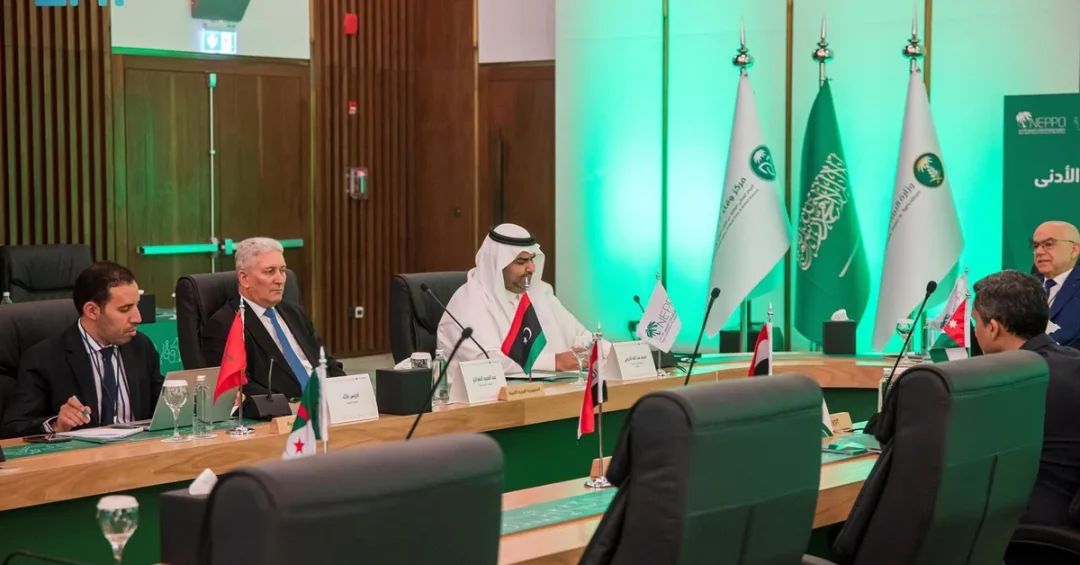
The National Center for the Prevention and Control of Plant Pests and Animal Diseases (Waqaa) hosted the Near East Plant Protection Organization (NEPPO) Executive Committee meeting in Jeddah on December 18, 2024. The gathering focused on developing effective strategies to mitigate the damage caused by plant pests, a crucial step toward ensuring sustainable food security in the Kingdom of Saudi Arabia.
Context and Background
This meeting underscores Waqaa’s commitment to enhancing regional cooperation to prevent and control agricultural pests. It provided a platform for NEPPO member states to collaborate, exchange knowledge and expertise, and devise effective solutions to address the ongoing challenge of pests in agriculture. The session aligns with Saudi Arabia’s broader agricultural resilience goals under Vision 2030.
Key Details from the Meeting
During the executive committee session, participants discussed advanced pest monitoring techniques and early warning systems. The meeting also emphasized the importance of cross-border data sharing to prevent pest outbreaks that threaten regional food supplies. Waqaa officials highlighted the center’s role in coordinating with international bodies to implement best practices in pest management.
Implications for Regional Food Security
By hosting this meeting, Saudi Arabia reinforces its leadership in regional agricultural cooperation. The strategies developed are expected to reduce crop losses and stabilize food production across the Near East. This initiative directly supports the Kingdom’s efforts to achieve self-sufficiency in key agricultural products and reduce dependency on food imports.
Vision 2030 Alignment
The Waqaa Center’s proactive engagement with NEPPO exemplifies Saudi Arabia’s dedication to Vision 2030’s goal of building a sustainable and diversified economy. By strengthening plant protection frameworks, the Kingdom safeguards its agricultural sector, enhances environmental stewardship, and contributes to global food security, reflecting its role as a responsible global partner.
20 Questions
Q1. What is the National Center for the Prevention and Control of Plant Pests and Animal Diseases (Waqaa)?
A1. Waqaa is a Saudi government center dedicated to preventing and controlling plant pests and animal diseases, supporting agricultural health and food security in the Kingdom.
Q2. What is the Near East Plant Protection Organization (NEPPO)?
A2. NEPPO is a regional intergovernmental organization that coordinates plant protection efforts among member countries in the Near East to combat pests and ensure food security.
Q3. When and where did the NEPPO Executive Committee meeting take place?
A3. The meeting was held on December 18, 2024, in Jeddah, Saudi Arabia, hosted by the Waqaa Center.
Q4. Why did Waqaa host this meeting?
A4. Waqaa hosted the meeting to enhance regional cooperation, share knowledge, and develop strategies to mitigate crop damage from plant pests, supporting sustainable agriculture.
Q5. What was the primary focus of the meeting?
A5. The meeting focused on developing effective strategies to reduce the damage caused by plant pests, which is vital for sustainable food security.
Q6. How does this meeting relate to Vision 2030?
A6. The meeting supports Vision 2030 by promoting agricultural sustainability, reducing food import dependency, and diversifying the Saudi economy through improved food security.
Q7. Which countries are members of NEPPO?
A7. NEPPO includes countries from the Near East region, such as Saudi Arabia, Jordan, Lebanon, Syria, Egypt, and others, all focused on plant protection cooperation.
Q8. What are the main challenges of plant pests in agriculture?
A8. Plant pests can cause significant crop losses, reduce food quality, and threaten food security, requiring coordinated management and prevention efforts.
Q9. What strategies were discussed during the meeting?
A9. Strategies included advanced monitoring, early warning systems, cross-border data sharing, and integrated pest management techniques to prevent outbreaks.
Q10. How does Waqaa contribute to regional cooperation?
A10. Waqaa facilitates knowledge exchange, hosts meetings like this, and works with international bodies to implement best practices in pest control across the region.
Q11. What is the significance of sustainable food security in Saudi Arabia?
A11. Sustainable food security ensures stable food supplies, reduces reliance on imports, and supports economic resilience, a key goal of Vision 2030.
Q12. How does pest control protect the environment?
A12. Effective pest control reduces the need for harmful pesticides, preserves biodiversity, and promotes eco-friendly farming practices, enhancing environmental health.
Q13. Was there any official statement from Saudi authorities?
A13. Yes, the Saudi Press Agency (SPA) reported on the meeting, highlighting Waqaa’s commitment to regional cooperation and agricultural resilience.
Q14. How often does NEPPO hold executive committee meetings?
A14. NEPPO holds regular executive committee meetings, typically annually, to review progress and set priorities for plant protection in the region.
Q15. What role does data sharing play in pest management?
A15. Data sharing helps countries track pest movements, predict outbreaks, and coordinate rapid responses, reducing cross-border damage to crops.
Q16. How does this meeting benefit Saudi farmers?
A16. Saudi farmers benefit from improved pest control strategies, reduced crop losses, and access to regional expertise, boosting agricultural productivity.
Q17. What is integrated pest management?
A17. Integrated pest management combines biological, cultural, and chemical methods to control pests sustainably, minimizing environmental impact and ensuring food safety.
Q18. Does this initiative align with global food security goals?
A18. Yes, by strengthening plant protection, Saudi Arabia contributes to global food security efforts, aligning with international strategies to reduce hunger.
Q19. What are early warning systems in agriculture?
A19. Early warning systems use monitoring and data analysis to alert farmers and authorities to potential pest outbreaks, enabling timely preventive actions.
Q20. What is the next step after this meeting?
A20. Following the meeting, NEPPO members will implement agreed strategies, continue collaboration, and report progress at future sessions to further strengthen regional food security.
Reader Feedback
We value your thoughts. Please share your feedback on this article.
Your feedback helps us improve our coverage.