


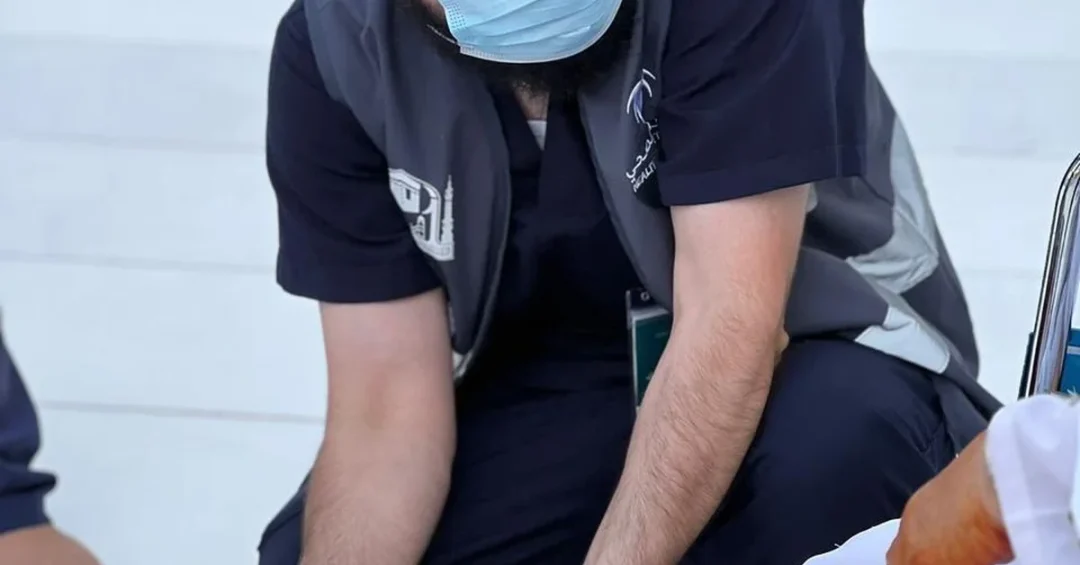
More than 5,500 specialized medical and administrative volunteers are providing essential healthcare services to pilgrims during the 2024 Hajj season, demonstrating Saudi Arabia’s commitment to ensuring the safety and well-being of millions of visitors through a robust, volunteer-driven health system. Operating under the coordination of the Ministry of Health, these volunteers staff hospitals, clinics, and first-aid stations across the holy sites in Makkah and Madinah, offering round-the-clock care.
Context and Background
The scale of the annual Hajj pilgrimage, drawing over two million Muslims from around the world, presents immense logistical and medical challenges. Since the inception of the Hajj Volunteer Program, the Kingdom has systematically enhanced its health infrastructure to respond to heat-related illnesses, chronic conditions, and emergency cases. This year’s volunteer force includes doctors, nurses, paramedics, pharmacists, and support staff, many of whom have dedicated years to serving pilgrims during the peak season. Their efforts are part of a broader national strategy to integrate volunteerism into public service sectors, reflecting Vision 2030‘s emphasis on community engagement and quality of life.
Key Details and Services
The volunteers operate from 32 hospitals and over 150 primary healthcare centers located in the holy sites, equipped with advanced medical technology. Services include emergency surgery, intensive care, dialysis, and heatstroke treatment, as well as vaccination campaigns and health education. The Saudi Red Crescent Authority also supports the effort with rapid-response teams and air ambulances. According to the Ministry of Health, the volunteers collectively accumulate hundreds of thousands of work hours, ensuring that even during peak crowd densities, medical response times remain swift.
Implications and Impact
This volunteer-driven model not only enhances the pilgrimage experience but also strengthens Saudi Arabia’s reputation as a host nation capable of managing large-scale events with professionalism and care. For the international community, the initiative underscores the Kingdom’s role in promoting humanitarian solidarity and health security. The data and operational insights gained from Hajj each year inform global best practices in mass gathering medicine, benefiting other nations organizing large religious or cultural events.
Vision 2030 Alignment
The Hajj volunteer program is a tangible expression of Vision 2030‘s goal to develop a vibrant society with a strong sense of civic duty and to provide world-class services to the growing number of pilgrims. As Saudi Arabia continues to expand its capacity to welcome 30 million Umrah pilgrims annually by 2030, initiatives like these lay the groundwork for a sustainable, efficient, and compassionate healthcare ecosystem that serves both visitors and citizens, reinforcing the Kingdom’s standing as a leader in humanitarian service and international cooperation.
Reader Feedback
We value your thoughts. Please share your feedback on this article.
Your feedback helps us improve our coverage.