


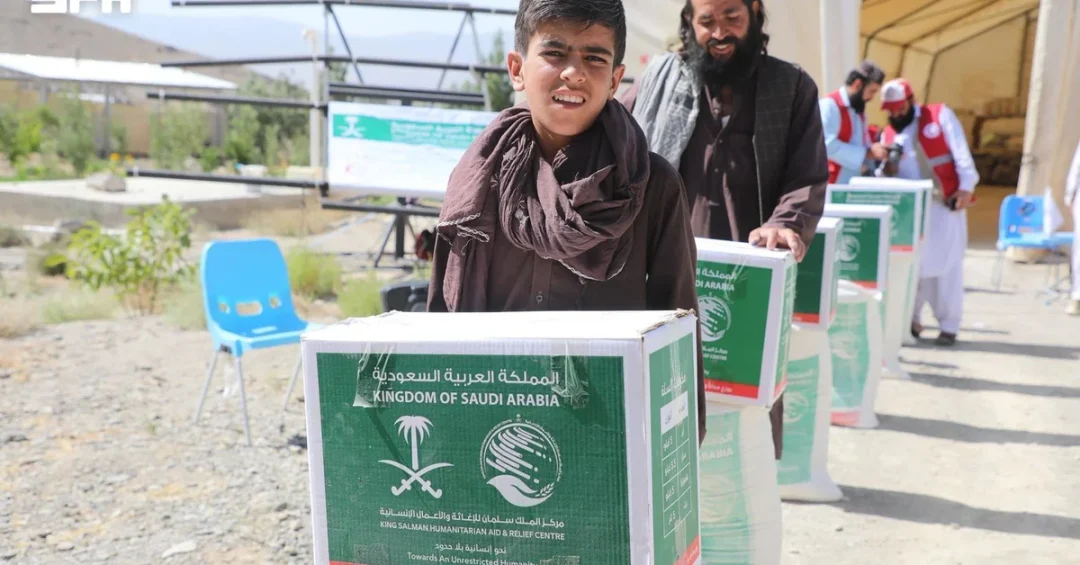
King Salman Humanitarian Aid and Relief Center (KSrelief) continued its distribution of food baskets on Thursday to families affected by floods in Paktia Province, Afghanistan, delivering 40 baskets that benefited 280 individuals from 40 families. This effort is part of the Food Security and Emergency Program for Flood-Affected People in Central, Eastern, and Southeastern Afghanistan for 2026, as reported by the Saudi Press Agency (SPA).
Context and Background
The distribution underscores Saudi Arabia’s ongoing commitment to humanitarian assistance in Afghanistan, a nation that has faced recurrent natural disasters, including devastating floods. KSrelief, the Kingdom’s leading humanitarian arm, has been at the forefront of relief operations, providing essential aid to vulnerable communities. This latest delivery is a continuation of a broader initiative aimed at alleviating food insecurity among flood-affected populations across multiple provinces, reflecting a sustained effort to address urgent needs.
Key Details
According to official sources, the food baskets were distributed in Paktia Province, one of the areas hit hardest by recent flooding. Each basket contains essential food items designed to sustain a family for a period, ensuring basic nutritional needs are met. The program targets central, eastern, and southeastern regions of Afghanistan, where the impact of floods has been particularly severe. The distribution is part of a series of relief operations that KSrelief has implemented in the country, reinforcing the Kingdom’s role as a leading international donor in humanitarian crises.
Implications and Impact
This humanitarian gesture carries significant implications for the affected families, providing immediate relief and reducing the risk of malnutrition and hunger in the aftermath of disasters. For Afghanistan, which struggles with economic instability and food insecurity, such support is crucial. Internationally, the act highlights Saudi Arabia’s proactive approach to global humanitarianism, strengthening its reputation as a reliable partner in times of need. It also aligns with the Kingdom’s broader foreign policy objectives of fostering stability and goodwill in the region.
Vision 2030 Alignment
The ongoing aid operations are in line with Saudi Arabia’s Vision 2030, which emphasizes the Kingdom’s role as a responsible global citizen. By extending help to brotherly nations, Saudi Arabia is not only fulfilling its humanitarian duties but also building bridges of cooperation and solidarity. As Vision 2030 continues to drive the Kingdom’s transformation, its humanitarian outreach remains a pillar of its international engagement, demonstrating that Saudi Arabia’s progress is intertwined with the well-being of others.
20 Questions
Q1. What is KSrelief?
A1. KSrelief, or the King Salman Humanitarian Aid and Relief Center, is Saudi Arabia’s official humanitarian aid agency. It coordinates and delivers relief programs worldwide, focusing on food security, health, and emergency response.
Q2. What did KSrelief do in Paktia Province?
A2. KSrelief distributed 40 food baskets to families affected by floods in Paktia Province, Afghanistan. This benefited 280 individuals from 40 families, providing essential food supplies to ease their immediate needs.
Q3. How many people benefited from this distribution?
A3. A total of 280 individuals from 40 families benefited from this specific distribution of 40 food baskets in Paktia Province, Afghanistan.
Q4. What is the Food Security and Emergency Program?
A4. The Food Security and Emergency Program is an initiative by KSrelief to provide food assistance to flood-affected populations in central, eastern, and southeastern Afghanistan for 2026. It includes distributing food baskets to vulnerable families.
Q5. Why is this aid needed in Afghanistan?
A5. Afghanistan faces recurring natural disasters like floods, which disrupt lives and livelihoods. Many families struggle with food insecurity, making humanitarian aid crucial for their survival and well-being.
Q6. How does KSrelief select beneficiaries?
A6. KSrelief works with local authorities and organizations to identify the most affected and vulnerable families. Priority is given to those who are most in need, such as those displaced or severely impacted by floods.
Q7. Is this the first time KSrelief has distributed food in Afghanistan?
A7. No, KSrelief has been active in Afghanistan for years, providing various forms of aid. This distribution is part of an ongoing program, not a one-time event.
Q8. What items are typically included in a food basket?
A8. While the specific contents may vary, food baskets generally include staple items like flour, rice, cooking oil, sugar, and lentils, providing balanced nutrition for a family for a period.
Q9. How does this aid align with Saudi Arabia’s foreign policy?
A9. Saudi Arabia’s humanitarian aid, including through KSrelief, demonstrates its commitment to global solidarity and helping those in need. It enhances diplomatic ties and promotes stability in regions like Afghanistan.
Q10. What is the broader scope of KSrelief’s operations in Afghanistan?
A10. KSrelief’s operations in Afghanistan include food security, health, education, and water projects. They aim to address both immediate relief and long-term development needs.
Q11. How does this distribution support the Afghan people?
A11. It provides immediate relief from hunger and malnutrition, giving families a sense of security and hope during difficult times, and supports their resilience in recovering from disasters.
Q12. Are there any other countries involved in this program?
A12. While KSrelief leads the initiative, it often collaborates with international organizations, local partners, and other donors to maximize impact and efficiency.
Q13. How is the aid funded?
A13. The aid is funded by the Saudi government through its humanitarian budget. Private donations and contributions from Saudi citizens and businesses also support KSrelief’s operations.
Q14. What is the significance of the year 2026 in the program title?
A14. The year 2026 denotes the fiscal or operational year for which the Food Security and Emergency Program is planned, indicating a structured, time-bound approach to aid delivery.
Q15. How does KSrelief ensure transparency in its operations?
A15. KSrelief publishes reports, conducts audits, and works with recognized international bodies to ensure that aid reaches the intended beneficiaries and is used effectively.
Q16. What is the long-term goal of such aid?
A16. The short-term goal is to meet immediate needs, but long-term, these interventions aim to build community resilience, reduce dependency, and support sustainable development.
Q17. How can individuals or organizations support KSrelief?
A17. Individuals and organizations can donate through KSrelief’s official website or partner organizations. Volunteers and advocates can also raise awareness and support fundraising campaigns.
Q18. What other countries have received similar KSrelief aid?
A18. KSrelief operates in over 80 countries, providing aid to regions in Africa, Asia, and the Middle East, including Yemen, Sudan, Syria, and Palestine.
Q19. How does this aid reflect Saudi Arabia’s values?
A19. It reflects Islamic and humanitarian values of compassion, generosity, and solidarity. It also underscores Saudi leadership in global humanitarian efforts, aligning with Vision 2030’s goals.
Q20. What is the expected outcome of this distribution?
A20. The immediate outcome is that 40 families will have food for a period, reducing hunger and malnutrition. In the longer term, it contributes to community stability and recovery.
Reader Feedback
We value your thoughts. Please share your feedback on this article.
Your feedback helps us improve our coverage.