


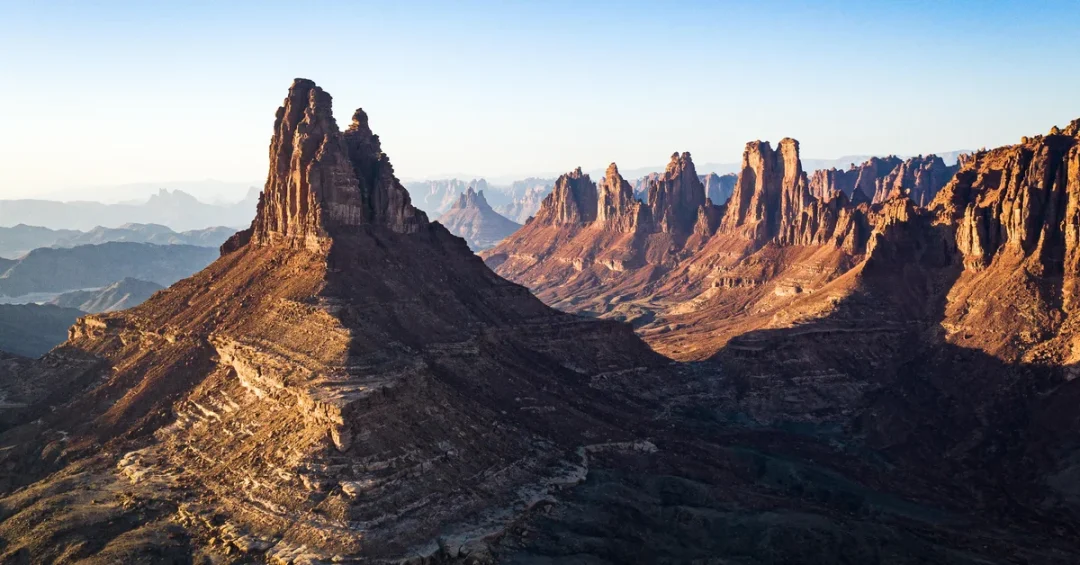
The Board of Directors of the Prince Mohammed bin Salman Royal Reserve Development Authority, chaired by His Royal Highness Prince Mohammed bin Salman bin Abdulaziz Al Saud, Crown Prince and Prime Minister, announced today the launch of the Reserve’s Integrated Development Management Plan (IDMP). The announcement, made in Riyadh, marks a significant milestone in the Kingdom’s commitment to environmental conservation and sustainable development, guided by global standards and Vision 2030 objectives.
Context and Background
The Prince Mohammed bin Salman Royal Reserve, spanning 24,500 square kilometers in northwest Saudi Arabia, encompasses 15 distinct ecosystems from mountain ridges to Red Sea coral reefs. The IDMP serves as a comprehensive roadmap addressing environmental, economic, social, tourism, and cultural dimensions of the Reserve. This initiative follows extensive studies to assess the historical and current environmental state, aiming to restore ecosystems to their condition a century ago.
Key Details
The plan establishes guidelines for wildlife restoration and conservation, including the reintroduction of 23 historically occurring species. Among them, 16 species are extinct within the Reserve’s borders, while four are Critically Endangered and three are Vulnerable according to IUCN listings. Notable species include the Arabian oryx, Arabian leopard, and cheetah. The Reserve also features in four sites on the UNESCO World Heritage Tentative List and aims to become the world’s foremost heritage tourism destination for environmental conservation.
Implications and Impact
The IDMP supports ecotourism development, including Red Sea Global’s AMAALA project within the Reserve. By 2025, animals are expected to roam freely through a 70,000 km² environmental corridor, connecting major projects like NEOM, AMAALA, Red Sea Global, and AlUla. This corridor will contribute to regional environmental restoration and create approximately 5,400 job opportunities. Andrew Zaloumis, CEO of the Reserve Authority, emphasized the role of a trained ranger team of 150 local men and women in the mission.
Vision 2030 Alignment
The launch of the IDMP aligns with the Saudi Green Initiative’s goal of protecting 30% of the Kingdom’s terrestrial and marine areas by 2030. It reinforces Saudi Arabia’s leading position in wildlife reintroduction and conservation, supporting the Royal Reserves Council’s strategic objectives of protecting wildlife, afforestation, enhancing ecotourism, and providing employment. The Kingdom’s commitment to addressing global environmental challenges, including reaching net-zero emissions by 2060, is further advanced through this comprehensive plan.
20 Questions
Q1. What is the Integrated Development Management Plan (IDMP) for the Prince Mohammed bin Salman Royal Reserve?
A1. The IDMP is a comprehensive roadmap covering environmental, economic, social, tourism, and cultural aspects, designed to manage the 24,500 km² Reserve according to global standards.
Q2. Who announced the launch of the IDMP?
A2. The Board of Directors of the Prince Mohammed bin Salman Royal Reserve Development Authority, chaired by HRH Crown Prince Mohammed bin Salman, announced the launch.
Q3. Where is the Prince Mohammed bin Salman Royal Reserve located?
A3. The Reserve is located in northwest Saudi Arabia, encompassing 15 distinct ecosystems from mountain ridges to coral reefs in the Red Sea.
Q4. How many ecosystems does the Reserve contain?
A4. The Reserve contains 15 distinct ecosystems, offering exceptional biodiversity including terrestrial and marine environments.
Q5. What are the main goals of the IDMP?
A5. The IDMP aims to restore and conserve wildlife, enhance ecotourism, protect biodiversity, and balance development with local community needs.
Q6. How many species are targeted for reintroduction under the IDMP?
A6. Twenty-three historically occurring species have been selected for reintroduction, including 16 extinct within the Reserve’s borders.
Q7. Which iconic species are part of the reintroduction program?
A7. Notable species include the Arabian oryx, Arabian leopard, and cheetah, all listed as Vulnerable or Critically Endangered by IUCN.
Q8. How does the IDMP support ecotourism?
A8. The plan supports ecotourism by developing attractions like AMAALA and creating rich terrestrial and marine experiences while ensuring ecosystem protection.
Q9. What is AMAALA’s role within the Reserve?
A9. AMAALA is a Red Sea Global tourism development located within the Reserve, integrated into the IDMP’s ecotourism framework.
Q10. How many UNESCO World Heritage tentative sites are in the Reserve?
A10. The Reserve features in four sites on the UNESCO World Heritage Tentative List for Saudi Arabia.
Q11. What is the environmental corridor planned by 2025?
A11. By 2025, a 70,000 km² environmental corridor will allow animals to roam freely, connecting NEOM, AMAALA, Red Sea Global, and AlUla.
Q12. How many job opportunities is the IDMP expected to create?
A12. The plan aims to create approximately 5,400 job opportunities for local communities.
Q13. Who leads the Prince Mohammed bin Salman Royal Reserve Development Authority?
A13. Andrew Zaloumis is the CEO, recognized internationally for his work in establishing reserves of global conservation value.
Q14. What is the role of local rangers in the Reserve?
A14. A trained ranger team of 150 local men and women plays a pivotal role in conservation and management efforts.
Q15. How does the IDMP contribute to Saudi Arabia’s environmental goals?
A15. The IDMP supports the Saudi Green Initiative’s target to protect 30% of terrestrial and marine areas by 2030.
Q16. What other Royal Reserves exist in Saudi Arabia?
A16. There are seven other Royal Reserves, including Imam Abdulaziz bin Mohammed, King Salman, and King Khalid Royal Reserves.
Q17. How does the IDMP align with Vision 2030?
A17. The plan advances Vision 2030 by promoting sustainability, ecotourism, economic diversification, and community development.
Q18. What is the significance of the Reserve’s location?
A18. Its location connects major projects like NEOM and AlUla, enhancing regional environmental restoration and tourism.
Q19. How does the IDMP involve international experts?
A19. The Reserve includes local and international experts who lead research and enhance partnerships for knowledge exchange and best practices.
Q20. What is the wider goal of the Royal Reserves Council?
A20. The Council aims to protect wildlife, increase afforestation, enhance ecotourism, and create job opportunities across all Royal Reserves.
Reader Feedback
We value your thoughts. Please share your feedback on this article.
Your feedback helps us improve our coverage.